



Key Takeaways:
- Coolant is a fluid that helps to regulate the temperature of your car’s engine, while antifreeze is a fluid that helps to prevent freezing.
- You can keep your engine running at peak performance by flushing out the old coolant and replacing it with fresh fluid.
- There are several different types of engine coolant in the market. Always follow the manufacturer’s instructions for use and maintenance.
- A 50/50 mix of anti-freeze and water is good for most cars in temperate climates.
If you’re like most Americans, you probably only know the very basics of car maintenance. Unless something is blatantly wrong with your car, you probably take it in for an oil change and call it a day. But even if you’re not mechanically inclined, there are some essential things you should know about your car — like whether or not it needs engine coolant or antifreeze.
In this post, we’ll explain the basics of engine cooling systems and help you determine whether your car needs coolant or antifreeze. We’ll also share some helpful tips on keeping your engine running smoothly during the winter months. So continue reading to learn all the essentials you need to know about keeping your car cool!
Coolant and Antifreeze: The Key Differences!
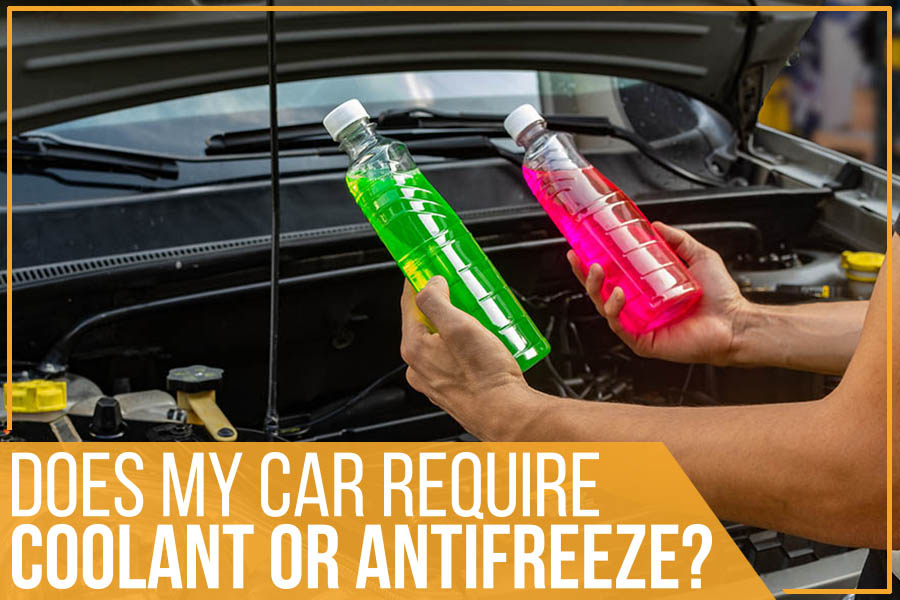
Antifreeze and coolant – the terms are often used interchangeably, but there are some important differences between the two.
Antifreeze is a solution added to water to lower its freezing point. Coolant is a mixture of water & antifreeze used to keep your engine cool.
The main difference is in their composition. Coolant is typically a mix of water and ethylene glycol, while antifreeze is a mix of water and propylene glycol. Ethylene glycol is more effective at cooling than propylene glycol but is also more toxic.
You should only use coolant in well-ventilated areas and keep it away from children and pets. Antifreeze, on the other hand, is not as effective at cooling but is less toxic, making it a safer choice for use around children and pets.
Coolant can also be used as antifreeze, but antifreeze should not be used as a coolant.
Why Should You Change Your Engine Coolant?
Coolant helps to regulate the temperature of your engine, and it also prevents corrosion and rust. Over time, however, coolant can become contaminated with grease, oil, and other debris. This can reduce its effectiveness and lead to engine problems. That’s why it’s important to change your engine coolant regularly. You can keep your engine running at peak performance by flushing out the old coolant and replacing it with fresh fluid. So don’t neglect this simple maintenance task – your car will thank you for it in the long run.
Related article: What to do when my car overheats
Why Do You Need to Change Your Antifreeze?
Antifreeze, like all fluids in your automobile, deteriorates with time, becoming more acidic. Corrosion can damage the radiator and other critical cooling system components, such as the water pump, hoses, thermostat, and radiator cap. Rust, dirt, and other undesirable particles may be found in your radiator. Contaminants like these will impair the antifreeze’s ability to keep the engine cool. This might cause the engine to overheat or cause piston welding on one of its cylinders.
Different Types of Coolant
As any driver knows, engine coolant is essential for keeping your car functioning well, especially in the summer. But with so many different types on the market, it can be hard to know which one is right for your vehicle. Here’s a quick guide to the three most common types of coolant: IAT, OAT, and HOAT.
IAT coolant, or Inorganic Additive Technology, is the traditional type of coolant. It contains ingredients like silicates and phosphates, which help to prevent corrosion. However, IAT coolant can harm aluminum components, so it’s not recommended for all vehicles.
OAT coolant, or Organic Acid Technology, is a newer coolant that uses organic acids instead of inorganic additives. OAT coolant is less likely to cause corrosion, and you can use it in vehicles with aluminum components. However, OAT coolant is not compatible with all engine coolant systems, so check your owner’s manual before using it.
HOAT coolant, or Hybrid Organic Additive Technology, is a mix of IAT and OAT coolants. HOAT coolants contain inorganic and organic additives, making them more effective at preventing corrosion than either type of coolant alone. HOAT coolants are compatible with all engine cooling systems and can be used in vehicles with aluminum components.
No matter which type of coolant you choose, follow the manufacturer’s instructions for use and maintenance. And if you’re ever unsure about which type of coolant to use in your vehicle, consult a qualified mechanic.
What Are the Right Ratios?
Your car’s cooling system requires a mixture of antifreeze and water that is neither too strong nor too weak. The ratio of water to antifreeze depends on the climate where you live.
- A 50/50 mix is good for most cars in temperate climates
- A 40/60 mix is better for colder climates
- In very cold climates, a 30/70 mix is often used to help prevent freezing
No matter the ratio, it’s important to use a high-quality antifreeze and check your coolant levels regularly. Following these simple tips can help keep your car running smoothly all year round.
How Does the Engine Coolant Work?
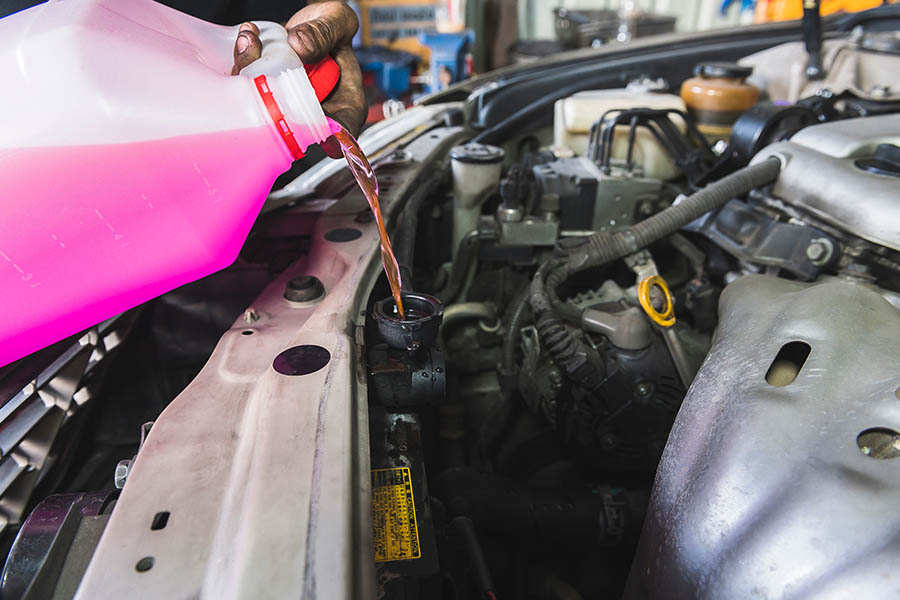
Your car’s coolant is vital for keeping your engine from overheating. It does this by circulating through the engine and absorbing heat. The coolant is then cooled by the radiator and circulated back through the engine. Over time, though, the coolant breaks down and becomes less effective. That’s why it’s important to change your coolant regularly.
How Often Do You Need to Change Your Antifreeze and Coolant?
How often you need to change your coolant depends on the type you use and your driving habits. Most experts recommend changing it after every 30,000 miles or two years.
With extended life coolants, you can usually go up to five years or 100,000 miles before changing it. If you do a lot of city driving or operate in extreme conditions, you may need to change it more often. Check your owner’s manual for specific recommendations.
Conclusion
Radiator coolant, or antifreeze, keeps your car engine from overheating and freezing. Coolant circulates through your engine, absorbing heat. Antifreeze lowers the freezing point of water in your car to prevent freezing in very cold climates. Over time, the antifreeze and coolant break down and must be replaced. Most experts recommend changing them after every 30,000 miles or two years.
If your car is due for any car fluid replacement, bring it to Vann York Chevrolet Buick GMC, serving Kernersville, NC. We’ll give your car a thorough inspection and replenish any fluids that may be low! Don’t starve your vehicle of essential liquids, and let us take care of your most beloved possession!
Connect with us


- February 2026
- January 2026
- December 2025
- November 2025
- October 2025
- September 2025
- August 2025
- July 2025
- June 2025
- May 2025
- April 2025
- March 2025
- February 2025
- January 2025
- December 2024
- November 2024
- October 2024
- September 2024
- August 2024
- July 2024
- May 2024
- March 2024
- December 2023
- November 2023
- October 2023
- September 2023
- August 2023
- July 2023
- June 2023
- May 2023
- April 2023
- March 2023
- February 2023
- January 2023
- December 2022
- November 2022
- October 2022
- September 2022
- August 2022
- July 2022
Archives
- Blogs
- Buick Dealer
- Buick Enclave
- Buick Envision
- Buick Envista
- Chevrolet Dealer
- Chevrolet Equinox
- Chevrolet Silverado 1500
- Chevy Blazer
- Chevy Cars
- Chevy Dealer
- Chevy Traverse
- Chevy Trax
- Envision
- EV
- GMC
- GMC Acadia
- GMC Canyon
- GMC Dealer
- GMC HUMMER EV Pickup
- GMC Sierra EV
- GMC Sierra HD
- GMC Yukon
- Hummer
- malibu
- Service
- Sierra 1500
- Sierra 2500 HD
- SUVs
- SUVs
- Trailblazer
- Trucks
- Uncategorized