




The 2024 Chevy Silverado 1500 is one of the most popular pickup trucks in America. It’s known for its impressive hauling credentials, off-road capabilities, and scintillating drivetrain that put the thrill back into driving. It consistently receives high reviews from auto experts, businesses, and consumers. Learn about the latest Silverado 1500 specs from your local Chevy dealership.
Learn About the 2024 Chevy Silverado 1500
Power and Performance
The 1500 Silverado has the grit and gumption to get through any job. The WT, Custom, RST, Custom Trail Boss, and LT Trail Boss include the 2.7-liter gas engine for 310 horsepower at 5,600 RPM and 430 lb.-ft. torque at 3,000 RPM. It can tow up to 9,500 lbs. It includes an eight-speed automatic transmission. The max payload capacity is 2,260 lbs.
Engine Upgrades
You can upgrade to the 5.3-liter V8 gas engine to get 355 horsepower and 383 lb.-ft. maximum torque with a ten-speed automatic transmission. It can tow up to 11,300 lbs. with a max payload capacity of 2,180 lbs.
The 6.2-liter V8 gas engine gets 420 horsepower and 460 lb.-ft. of torque and can tow up to 13,300 lbs. with a max payload of 1,980 lbs. And the ultra-powerful 3-liter Duramax turbo diesel engine gets 305 horsepower and 495 lb.-ft. of torque and can tow 13,300 lbs. with a max payload of 1,970 lbs. Both include the ten-speed transmission.
Safety Features
The truck includes everything you need to get around town or the worksite safely. The base model includes an HD rear vision camera for precise reversing, and the upgraded trims have HD surround vision to help you see everything happening around the exterior.
Every trim includes forward collision alerts for dodging obstacles and accidents, electronic stability control with traction monitoring, lane keep assistance with lane departure warnings for staying between the lines, and following distance indicators to help you avoid rear-end collisions.
Additional Safety Features
The upgraded trims include rear park assist and rear cross-traffic braking for more peace of mind when navigating crowded streets. The tire pressure monitor lets you know when it’s time to add air to the tires. You can also upgrade to the trailer tire pressure warning system to extend the same courtesy to your cargo. The ZR2 also includes rain-sensing automatic wipers to keep the windshield clean.
Towing Features
Upgraded trims include hitch guidance for quickly adding a trailer to the back. The ZR2 model also includes trailer-side blind zone alerts for changing lanes safely with a trailer attached. You also get the in-vehicle trailering app to monitor the integrity of your haul and a truck bed camera for inspecting your gear.
You can also add a camera inside your trailer with the available trailer camera input. It’s perfect for seeing if your cargo has moved during the trip. Access the bed like a pro with the tailgate EZ lift assist. You can bring down the tailgate with a press of a button to keep your hands on the load.
Fuel Efficiency
The EPA-estimated mpg rating varies by model and trim level. The base WT model gets 18 mpg in the city and 21 mpg on the highway. The upgraded ZR2 receives 20 mpg in the city and 22 mpg on the highway. Every model includes a 24-gallon tank.
Off-Roading
The 2024 Chevy Silverado 1500 was made to explore. The Trail Boss trim includes a 2-inch lift kit to give you a higher stance and more ground clearance on dirt roads. You get impressive all-terrain tires with beefy tread patterns for kicking mud and debris to the side. Use the available skid plates to protect the underside of the truck when running over obstacles.
Entertainment
You can entertain your guests without taking your eyes off the road. The 1500 includes Bluetooth for wirelessly connecting your smartphone to the center console, and the ZR2 includes wireless charging, so your phone is ready to go when you reach your destination. The premium version also includes the Bose sound system for an improved listening experience.
The base WT includes a 3.5-inch monochromatic driver information console for navigating and monitoring the condition of your vehicle. The upgraded ZR2 includes a 12.3-inch color screen for a better viewing experience.
Comfort and Style
The Silverado 1500 helps you sit back and relax. The WT includes four-way power seats, while the upgraded ZR2 has 10-way adjustable seats. The base model seats up to six adults and the ZR2 seats five. The ZR2 is slightly taller and longer, with three inches of extra ground clearance. Every model includes 62.9 cubic feet of cargo space. If you need more room, add the available under-seat storage.
The high-end ZR2 also includes heated rear seats for staying warm in the winter and front bucket seats, which give you more room to spread out.
Exterior
The latest upgrades make it easy to customize the look of your ride. The upgraded versions let you match your door handles and the front bumper to the body of your vehicle. The base version includes 17-inch wheels with LT265/70R17C all-terrain tires for getting through rough terrain. The ZR2 has 18-inch wheels with LT275/70R18 mud-terrain tires for a higher stance.
The upgraded version includes LED tail lamps for better visibility when reversing and working around the back of your truck. You can also add exterior power-adjustable vertical trailering mirrors to see what’s going on behind the bed. Every trim lets you add fender flares to keep the mud on the ground and off the back of your truck.
Nothing beats the power and workmanship of the latest Silverado 1500. These trucks can tackle any job and will last years to help you make the most of your investment. You can tow for work, haul supplies off-road, or take a weekend trip in the mountains. Visit Calavan Chrysler Dodge Jeep Ram of West Atlanta in Lithia Springs, GA, to see how it feels to be behind the wheel of the 2024 Chevy Silverado 1500.

A star of the midsize luxury SUV segment, the 2024 Buick Enclave boasts a spacious interior with real space for up to seven adults and a generous cargo area perfect for holding lots of luggage. Its luxury features and value-oriented price make it one of the most desirable family cars. Let’s explore the various features this vehicle has to offer.
2024 Buick Enclave Trim Levels
The 2024 Enclave comes in three trim levels, all offered standard with a front-wheel drivetrain. All-wheel drive is available optionally across all trim levels, turning the model into one of the most luxurious adventure-ready SUVs. Outstanding fuel efficiency ratings of up to 26 MPG on the highway and 21 MPG combined make the standard front-wheel drive configuration perfect for everyday commuting and long trips alike.
Regardless of the drivetrain, the Essence and Premium trims come with 18-inch wheels designed to offer a perfect balance between traction and agility. Bigger 20-inch wheels are available on the two entry models and standard on the Avenir for enhanced traction on all road types and weather conditions. Beyond performance, the bigger wheels enhance the Enclave’s visual appeal.
Handling and Performance
The 2024 Buick Enclave pairs a 3.6-liter V6 engine with a 9-speed automatic transmission in a powertrain that delivers 310 horsepower and 266 lb-ft of torque. Well-sorted suspensions and crisp steering deliver outstanding driving dynamics on and off the road, dampening road vibrations and shocks for a smooth, comfortable ride. The engine’s start-and-stop technology helps improve fuel economy and reduce carbon emissions.
The automatic transmission’s overdrive feature helps improve fuel economy by maintaining lower engine RPMs when cruising consistently at highway speeds. For full driving enjoyment, the transmission boasts a driver shift control feature. An optional trailering package boosts performance with features like hitch view and hitch guidance. The package also enhances the vehicle with a tow/haul drive mode and increases the towing capacity to 5,000 lbs.
Handsome Looks
The Enclave’s premium exterior can easily turn heads wherever you go. Superb exterior color options highlight stunning design accents, such as a unique front grille with chrome wings and gorgeous wheel options decorated with the Buick tricolor badge. Sleek LED headlamps and taillamps pair with stylish front and rear fascias for added visual appeal. Optional packages can add sought-after elements, such as molded assist steps and a black mesh grille.
The Sport Touring Edition and Touring packages allow you to customize the model with unique styling elements for a sportier look. The interior design is infused with luxury elements such as perforated leather-trimmed seats. Stylish interior appointments, including unique color options like dark galvanized with ebony accents, match the vehicle’s handsome exterior. An optional front sliding moonroof with a fixed rear skylight elevates the SUV’s stylish looks.
Luxury Comfort Features
The 2024 Enclave boasts a spacious and functional interior designed to pamper all passengers during short and long rides alike. Power-adjustable heated front seats and individual second-row captain’s chairs with armrests offer ergonomic back and lateral support. The Premium and Avenir trims boast enhanced heated and ventilated front seats with lumbar adjustments and a massage function designed for enhanced comfort.
The SmartSlide second-row seating offers easy access to the ample third row that boasts a 60/40 split-fold-flat bench and enough room for adult passengers. Active noise cancellation, standard across all trim levels, detects unwanted noises and filters them out to maintain a quiet atmosphere inside the cabin. Cargo space is abundant, while many cubbies and an underfloor storage area offer plenty of in-cabin storage for small items and valuables.
Innovative Technology
Buick equips the 2024 Enclave with an 8-inch infotainment touchscreen offered with loads of sought-after features, including smartphone integration with Apple CarPlay and Android Auto, Bluetooth music streaming, and Bluetooth smartphone control. The system gives you the ability to install third-party apps and control your radio and phone via voice commands thanks to the Siri EyesFree and natural voice recognition features.
Two USB charge and data ports serve the front row, while four charging-only USB ports serve the second and third rows, making it easy to access media files and keep all your devices charged. Optional on the Essence trim and standard on the Premium and Avenir, a 120-volt power outlet located at the rear of the center console can power up your laptop and other devices.
Driver Assistance and Safety
Standard on all trim levels, the Enhanced Buick Driver Confidence package equips the 2024 Enclave with loads of safety and driver assistance features. Highlights include automated emergency braking, forward collision alert, pedestrian detection, front and rear parking assistance, and side blind zone alerts when changing lanes.
The standard IntelliBeam feature adjusts illumination by turning the high beams on and off automatically based on surrounding traffic conditions. Optional on the Essence and Premium trims and standard on the Avenir, adaptive cruise control reduces fatigue during long trips. Another highlight is the Teen Driver feature that allows you to set speed limits and warnings and get in-vehicle report cards to encourage better driving habits in teens and new drivers.
Class-Leading Manufacturer Warranty
Peace of mind is guaranteed when buying a new Enclave thanks to Buick’s class-leading warranty. Your purchase comes with a bumper-to-bumper limited warranty of three years or 36,000 miles, whichever comes first. The powertrain and drivetrain are covered for five years or 60,000 miles, while rust-through coverage is offered for six years or 100,000 miles.
The vehicle also comes with complimentary roadside assistance for five years or 60,000 miles. This program includes emergency towing, flat tire changes, a vehicle unlock service if you lost the key, battery jump-start, and emergency fuel delivery. Buick also offers a complimentary scheduled maintenance visit for the first 12 months or 12,000 miles, whichever comes first.
The 2024 Buick Enclave is a premium family SUV that is fun to drive in the city and on adventures. Visit us at Vann York Chevrolet Buick GMC in High Point, NC to find out more about your favorite trim, explore our inventory, and schedule your test drive.
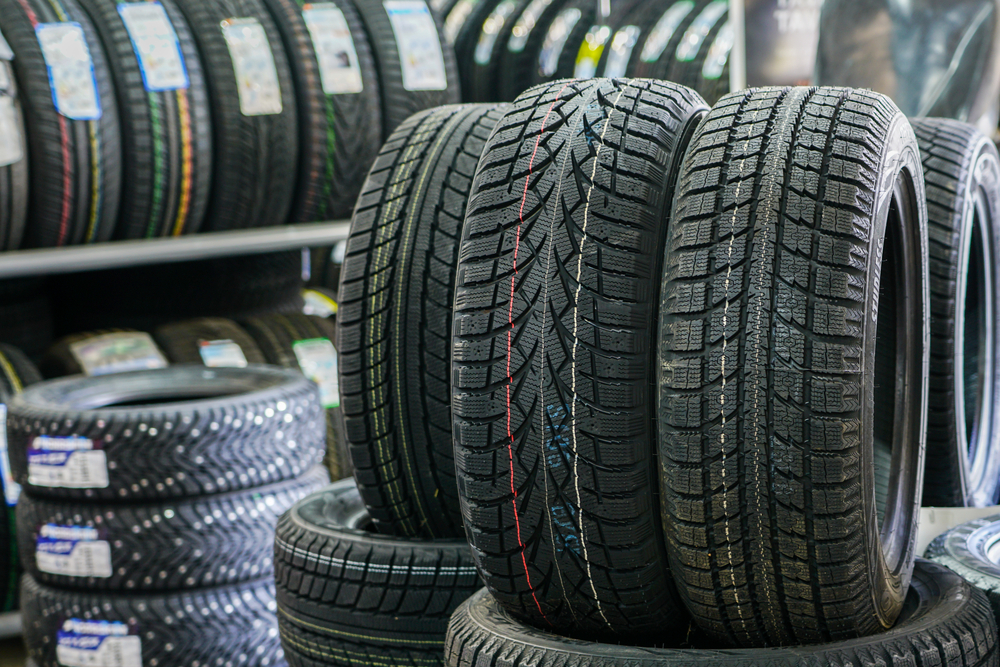
When it comes to enhancing the performance and safety of your Buick, you might not think about having the right new tires as that crucial; yet it is. As a Buick dealer, our goal is to assist you in finding tires that perfectly match your vehicle’s needs and your driving style and conditions, so your Buick always performs just as you expect. Let’s take a look at the world of tires together.
Selecting New Tires: Expert Advice from Your Buick Dealer
The tires you choose will have an impact on your Buick’s handling, comfort, and efficiency. For Buick drivers who value comfort and refined performance, touring tires are an excellent choice. These tires are engineered to provide a smooth ride, with low noise and reliable handling in both dry and wet conditions. They are perfect for models like the Buick Enclave or LaCrosse, as they can enhance the luxurious driving experience these vehicles are known for.
Eco-friendly tires are becoming increasingly popular, too, especially for drivers of Buick’s more fuel-efficient models, like the Encore and Envision. These tires are designed to reduce rolling resistance, which helps in improving fuel economy and reducing your carbon footprint without sacrificing performance.
Depending on your region, considering seasonal tires like summer or winter options might be smart. Summer tires offer improved grip and handling in warm weather, while winter tires provide enhanced safety during cold, snowy months. The types of rubber used on these tires are different, so it does make a big difference to your grip, depending on the temperature of the roads. Switching tires according to the season ensures that your Buick performs optimally all year round.
Tailoring Tire Specifications to Your Buick Model
Choosing the right tire involves more than just picking a type. You have to make sure that all the tire’s specifications are a perfect fit for your Buick. Each Buick model has specific tire size and load capacity requirements, and you need to follow these specifications to maintain your vehicle’s handling characteristics and safety.
The speed rating of a tire should also align with your vehicle’s capabilities. While a higher speed rating often indicates better handling and stability, it can also impact the tire’s durability. Selecting a tire with the appropriate balance is key to enjoying your Buick’s performance while ensuring longevity. You can find out exactly what type of tires are recommended for your vehicle in your owner’s manual, but there’s also a bit of leeway in diameter and size, so be sure to call your Buick dealer when you’re thinking about new tires to find out what we recommend and can offer you. You can also use our handy Tire Finder to find out exactly what new tires recommended for your model.
Quality and Brand
The quality of tires you choose for your Buick cannot be overstated. You really do get what you pay for, as with most things in life. Opting for high-quality, reputable brands ensures that you’re going to get safety, performance, and durability in your tire choice. We recommend choosing tires from established manufacturers with a track record of excellence. Brands like Continental, Firestone, and Hankook offer high-quality options that meet various driving needs and preferences.
A good tire warranty can be a sign of the manufacturer’s confidence in their product, so look for warranties that cover aspects like tread life and road hazard protection. Additionally, choosing a Buick dealer for your regular oil changes and services means also getting regular inspections and tire care advice, and we also frequently have specials and coupons available.
Cost Consideration
While budget is an important factor in your tire purchase decision, you always want to balance cost with quality. Investing in high-quality tires may bring you a higher upfront cost, but the long-term benefits in terms of safety, performance, and tire longevity often outweigh the initial expense. Higher-quality tires usually offer better fuel efficiency and a longer lifespan, translating to cost savings over time. Additionally, they can enhance the overall driving experience of your Buick, making each journey more enjoyable and safer.
Quality tires can also contribute to maintaining or even enhancing your Buick’s resale value, as well-maintained, high-grade tires reflect the overall care and attention given to the vehicle and can be a selling point if you want to trade up. And, of course, don’t neglect to consider how the tires will simply influence your driving experience. Tires are the only point of contact between your Buick and the road, so ensuring they provide the right balance of grip, stability, and comfort is important.
Ensuring Tire Longevity Through Proper Maintenance
Proper maintenance is crucial in extending the life of your Buick’s tires and maintaining vehicle performance and safety. Regular checks and care can significantly prolong tire life. Frequent tire inspections can help identify issues like uneven wear, which could indicate alignment or suspension problems. Check for any visible damage like cuts, cracks, or bulges, as these can compromise tire integrity and safety.
Maintaining the correct tire pressure is critical for your safety, fuel efficiency, and preventing premature wear, too, as under-inflated tires can lead to poor handling and increased fuel consumption while over-inflation can cause uneven wear. Check tire pressure monthly and adjust as needed according to the specifications in your Buick’s manual.
Finally, getting regular tire balancing and wheel alignment checks will keep you rolling right. Misaligned wheels or unbalanced tires can cause uneven wear, reduce fuel efficiency, and lead to steering and handling issues. For the smooth and luxurious ride you’ve doubtless come to associate with your Buick, come see us at your Buick dealer for regular balancing and alignment.
Choosing the right tires for your Buick and maintaining them properly means everything to your performance, safety, and comfort. As your trusted Buick dealer, we are here to assist you in every step of this process. Give us a call or come visit us at Vann York Chevrolet Buick GMC in High Point, NC today for help.
18 Reasons Drivers Love the 2024 Chevy Tahoe
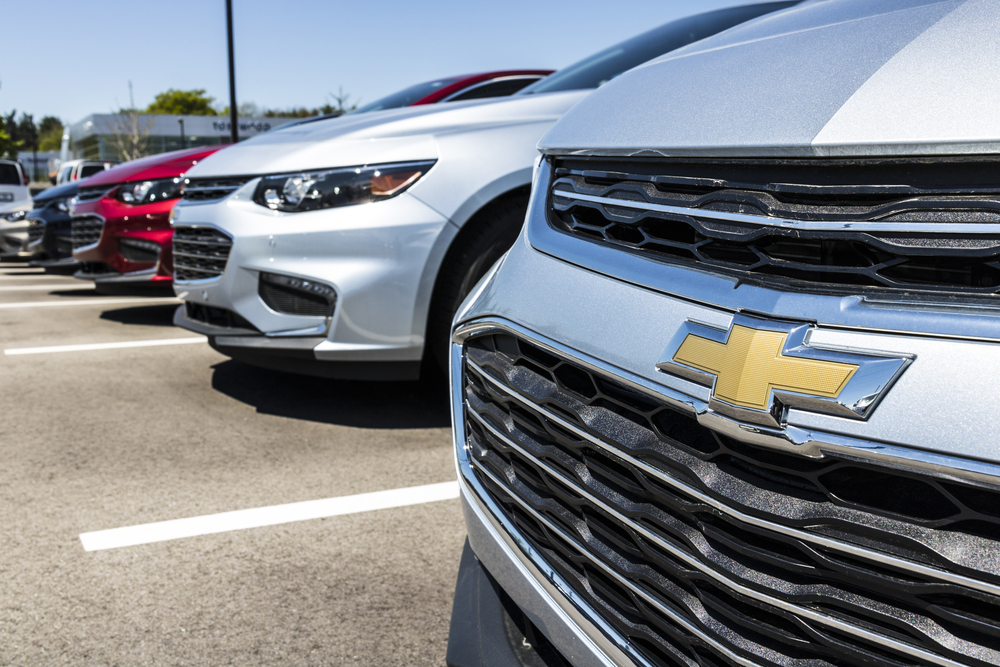
Are you looking for a durable vehicle with lots of high-tech features and built-in safety provisions? The 2024 Chevy Tahoe could be the perfect vehicle for you and your family! Learn more about this model by visiting your nearest Chevy dealer in High Point, NC or reading through the guide below!
Your Local Chevy Dealer in High Point, NC
So, where can you find the new 2024 Chevy Tahoe? Look no further than Vann York Chevrolet Buick GMC. We have a large inventory of new vehicles in North Carolina, including the latest Chevy Tahoe model.
18 Reasons to Choose the 2024 Chevy Tahoe
1. Super Cruise Driver Assistance Technology
Super Cruise technology is the first hands-free driving system, and it’s available in the new Chevy Tahoe. Under safe and proper conditions, attentive drivers can let Super Cruise take the wheel and make long drives easier.
2. Increased Cargo Space
The 2024 Tahoe has extra large cargo space, measuring 122.9 cubic feet when the rear seats are folded down. This gives you plenty of room for bringing home groceries, packing for road trips, or transporting large purchases.
3. Three Powerful Engine Options
The 2024 Chevy Tahoe is a powerful vehicle with three different engine choices, all designed for optimal performance. Buyers can choose from the following engines when purchasing a new Tahoe:
5.3L EcoTec3 V8 including Dynamic Fuel Management
With 355 horsepower and 383 lb.-ft. of torque, this 5.3L EcoTec3 engine offers extreme performance for both work and play.
6.2L EcoTec3 V8 including Dynamic Fuel Management
The 6.2L EcoTec3 engine offers 420 horsepower with 460 lb.-ft. of torque. This engine gets 20 MPG on the highway, just as the 5.3L engine does.
Duramax 3.0L Turbo-Diesel
This Turbo-Diesel Duramax engine has 277 horsepower and 460 lb.-ft. of torque. It gets an EPA-estimated 28 MPG on the highway.
All three engine options come with a 10-speed automatic transmission.
4. Advanced Trailering System
Hauling large loads doesn’t need to be complicated! Thanks to the Chevy Tahoe’s Advanced Trailering System, you can view your trailers through in-cabin cameras and use a digital touchscreen to keep track of important information like trailer tire pressure.
5. Rear-Seat Media System
Taking long drives through High Point, NC, can be fun for everyone with the new Tahoe Rear-Seat Media System. Passengers can listen to their music, watch movies, and even access their smartphone apps through this innovative technology.
6. Built-In Google
The latest Tahoe model includes built-in Google capabilities on your display panel. The Google Assistant helps you make phone calls, set reminders, and change the in-cabin temperature all hands-free.
7. MyChevrolet Mobile App Remote Technology
All new Chevy vehicles come with the MyChevrolet app, which gives you access to remote functions and diagnostic resources. When you purchase your 2024 Chevy Tahoe, you’ll have all of these app features for three years through the Remote Access Plan. The best part is the staff at your local Chevy dealer can help you set up the MyChevrolet app before you ever leave the lot!
8. Forward Collision Alert with Automatic Emergency Braking
Don’t let another driver stopping short put yourself and your family in danger. With Forward Collision Alert, the Chevy Tahoe alerts you when the distance between you and other vehicles decreases. If you don’t press the brakes, it triggers the Automatic Emergency Braking to prevent a collision.
9. Front Pedestrian Braking
While it’s wise to look both ways before crossing the street, life can get chaotic and people often forget. When someone doesn’t see your vehicle and steps out onto the road, your Front Pedestrian Braking kicks in and prevents a collision. This feature works best in daylight and at speeds under 50mph.
10. Adaptive Cruise Control
Adaptive Cruise Control is a great feature for long car rides, reducing the need to frequently brake and accelerate while driving.
11. Following Distance Indicator
The Following Distance Indicator helps you keep a safe distance between your Tahoe and the car in front of you by displaying the time in seconds between your vehicle and theirs.
12. High-Definition Surround Vision
With High-Definition Surround Vision, you’ll never hit a curb again! This Tahoe attribute lets you select from multiple digital camera views of the area around your vehicle. You’ll see a detailed image featuring guidelines on the display screen, showing you exactly how to park, reverse, and more.
13. Lane Change Alert with Blind Zone Alert
Blind spots are a real nuisance when driving, but the newest Chevy Tahoe helps you navigate them with ease. Lane Change Alert with Blind Zone Alert uses mirror cameras to detect rapidly approaching movement in your blind spot. This is especially beneficial when changing lanes.
14. IntelliBeam Auto High Beam Assist
IntelliBeam Auto High Beam Assist automatically turns your high beams on and off according to your surroundings in High Point, NC. This intuitive feature kicks in whenever your vehicle is traveling at speeds above 25mph.
15. Teen Driver Technology
Your local Chevy dealer understands that family is the most precious cargo of all. That’s why we encourage drivers to enable the Teen Driver system on their new Chevy Tahoe. With Teen Driver, parents can keep track of their child’s driving habits and limit certain vehicle features.
16. OnStar Safety & Security
Whether you’re in an accident or need emergency assistance in a crisis, OnStar Advisor offers 24/7 help from specially trained OnStar agents.
17. Safety Alert Driver Seat
For added protection, Safety Alert Seats help you prepare for collisions before they occur. This feature uses vibrations in the left or right side of the driver seat to identify the direction or possible impacts.
18. Rear Camera Mirror
The rearview mirror in the new Chevy Tahoe is equipped with a camera. Using this feature, you can switch from the traditional mirror view to the detailed camera view of what’s behind you.
From advanced tech features to impressive safety enhancements, there’s a lot to appreciate about the 2024 Chevy Tahoe. If you’re interested in the latest Tahoe model, visiting your local Chevy dealer in High Point, NC is a great idea. Contact us online or stop by our lot at Vann York Chevrolet Buick GMC!
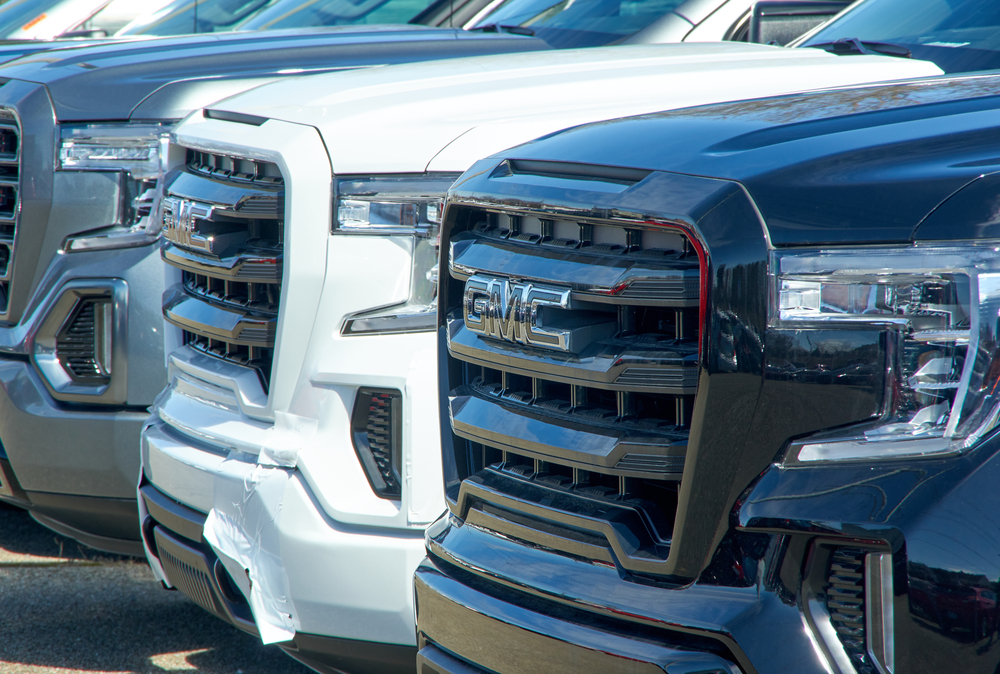
Your search for the best heavy-duty truck might just end with the 2024 GMC Sierra 2500 HD. For the 2024 model year, GMC expanded the Sierra lineup with two new trim options, widening choices for drivers to find the truck that best suits their needs. The 2024 Serra 2500 HD also hits the road with an extensive range of performance-enhancing updates.
The 2024 GMC Sierra 2500 HD: Unleashing Strength and Capability
Powerful Engine Options
There are 7 Sierra trim models and two robust engine options across the lineup. You can choose between a gas engine and a diesel engine. All these engines are configured with a highly responsive 10-speed automatic transmission system and provide impressive horsepower, torque, and towing capabilities.
6.6-Liter V-8 Gas Engine
In the 2024 model year, this gas engine gets a transmission upgrade for enhanced performance. It comes paired with a smooth-shifting 10-speed automatic transmission, dropping the previous 6-speed transmission. This transmission upgrade optimizes the engine’s power and efficiency.
The Sierra gas engine is rated 401 horsepower and 464 pound-feet of torque. This is the standard powerplant in all 2024 Sierra models except the top trim Denali Ultimate.
6.6-Liter V-8 Turbo Diesel Engine
In the 2024 model year, this diesel engine gets a 25 horsepower and 65 torque boost over the previous year model, resulting in greater towing power. Paired with a 10-speed transmission, this capable engine makes 470 horsepower and 975 pound-feet of torque. This is the standard powertrain in the Denali Ultimate trim.
These engines can be tuned with the standard RWD or the available 4WD system. The RWD system is the standard on all the Sierra models except the AT4 and Denali trim classes. No matter your powertrain configuration, give your truck proper maintenance service, and you’ll enjoy its exceptional performance for many years to come.
Impressive Towing and Hauling Capability
This truck has the muscles to pull your world. If you have regular load towing tasks, the diesel engine is the best for moving heavy loads as it can pull up to 22,500 pounds. If properly equipped, your Sierra truck can haul more than 3,800 pounds in the cargo bed.
Spacious and Comfortable Interior
The exceptional power of your Sierra doesn’t come at the expense of your comfort. Whether you are out working or adventuring, the 2024 GMC Sierra 2500 HD offers the features and amenities you need to enjoy comfortable rides.
The wide-opening doors provide easy access to the seats no matter your size, and the generously spacious cabin provides ample room for 3 to 6 people, depending on the configuration. Inside, the Sierra offers an upgradable multi-speaker stereo system and a wealth of comfort and convenience amenities.
Smooth Rides and Sharp Handling
While some massive trucks can be tricky to keep balanced in the lane, the Sierra 2500 HD is easy to control in all terrains and offers exceptionally smooth rides. The suspension system is top-notch and does a great job soaking up road imperfection. The steering feedback is excellent, and the brakes are precise.
Advanced Technology Features
The Sierra offers infotainment screens of various sizes, including an available 13.4-inch touchscreen that makes your favorite apps and tools more easily accessible.
The available 12.3-inch driver information panel provides vehicle tats and customization tools, keeping you in command and informed in all driving situations. There’s also an available camera system that gives you an excellent view of your surroundings, enabling you to keep an eye on your cargo bed behind and helping you to hitch a trailer or park.
A Range of Safety Features
Every 2024 GMC Sierra 2500 HD comes with a package of safety and driver-aid features that help in regular driving and towing operations. The standard safety package includes a forward collision avoidance alert, lane departure warning, and automatic emergency braking. There’s also a feature that automatically adjusts your headlamp beam when driving in the dark to enhance visibility in various situations.
You can also access a suite of available advanced safety features, such as blind spot monitoring, rear-cross traffic alert, and adaptive cruise control. There’s also a cruise control with the trailering feature that allows your truck’s cruise control system to account for the towing load in the speed and following distance adjustments.
Bold Exterior Design
You can see just by the looks that the 2024 Sierra 2500 HD is a tough workhorse. Available in three cab styles and two bed-length options, this truck gets recognition for its bold and muscular exterior. Your truck’s exterior is carefully edited to impress, and when you put it on the road, it reflects your hardworking personality everywhere you go.
The 2024 Sierra’s exterior design features a new LED projector headlamp with signature lighting and a new front bumper and fascia. A 6-function tailgate is available, making your work easier when accessing the cargo bed to load and offload.
Advanced Looks and Power-Enhancing Options
In addition to its top-notch standard and available features across the lineup, the 2024 GMC Sierra 2500 HD offers a range of options and packages to enhance the looks and performance of your truck. For the SLE and SLT trims, you can bolster your truck’s appearance with an assist step and all-weather liner package. For the AT4X trim, the available AEV Edition package offers unique exterior and interior styling alongside other appearance upgrades.
On the performance side, there’s a max trailering package that you can add to any of the Sierra models. Additionally, an off-road package with an off-road suspension system, hill descent control, and skid plates can be added to the Sierra Pro, SLE, and SLT 4WD models.
Your perfect heavy-duty truck awaits you. Contact us today at Vann York Chevrolet Buick GMC in High Point, NC to book a test drive of the 2024 Sierra 2500 HD and experience an exceptional blend of strength and comfort.

With the ever-rising costs of fuel, drivers around the world are seeking ways to improve their vehicle’s fuel efficiency. Fortunately, there are several practical and simple strategies that not only contribute to a greener planet but also save you money in the long run. In this guide, we’ll explore top fuel efficiency tips that will help you get more miles out of every gallon, ultimately easing the strain on your wallet and reducing your environmental footprint.
Maintain Your Vehicle Regularly:
A well-maintained vehicle is more likely to operate efficiently. Schedule regular maintenance checks, including oil changes, air filter replacements, and tire rotations. Keeping your engine in top condition ensures that it runs smoothly, requiring less fuel to operate.
Proper Tire Maintenance:
Underinflated tires increase rolling resistance, forcing your engine to work harder and consume more fuel. Check your tire pressure regularly and keep them inflated to the recommended levels specified in your vehicle’s manual. Also, consider investing in low-rolling-resistance tires, which are designed to improve fuel efficiency.
Lighten the Load:
The more weight your vehicle carries, the more fuel it needs to move. Remove unnecessary items from your trunk and interior to reduce the overall weight of your car. Only carry essential items to minimize the impact on fuel efficiency.
Drive Smoothly and Avoid Aggressive Driving:
Sudden acceleration, sharp braking, and aggressive driving habits can significantly decrease fuel efficiency. Adopt a smoother driving style by accelerating gradually and braking gently. Use cruise control on the highway to maintain a consistent speed, reducing fuel consumption.
Turn Off the Engine When Idle:
Idling consumes fuel without contributing to your mileage. If you anticipate being stationary for more than a minute, such as during a prolonged stop or waiting in a parking lot, turn off your engine. Restarting your car uses less fuel than idling for an extended period.
Use the Right Fuel:
Consult your vehicle’s manual to determine the recommended fuel type. Using higher-octane fuel than necessary is not only more expensive but also provides no added benefit for most cars. Stick to the manufacturer’s recommendations to optimize fuel efficiency and save money at the pump.
Properly Plan Your Trips:
Combine errands and plan your trips efficiently to minimize unnecessary driving. Driving less not only saves fuel but also reduces wear and tear on your vehicle. Consider carpooling, using public transportation, or walking for shorter trips to further cut down on fuel consumption.
Keep Your Aerodynamics in Mind:
Reduce air resistance by closing windows at high speeds and removing roof racks or carriers when not in use. Roof-mounted cargo boxes and racks can significantly impact aerodynamics, making your car less fuel-efficient. Keep your vehicle streamlined to maximize fuel efficiency.
Utilize Air Conditioning Wisely:
Air conditioning can put a strain on your engine, leading to decreased fuel efficiency. Use air conditioning sparingly and opt for the vehicle’s ventilation system when possible. Park in the shade or use a sunshade to cool your car’s interior, reducing the need for excessive air conditioning.
Stay Informed with Your Vehicle’s Onboard Computer:
Modern vehicles are equipped with sophisticated onboard computers that provide real-time information about fuel efficiency. Monitor your fuel consumption, and adjust your driving habits accordingly. Some vehicles also feature an “eco mode” that optimizes performance for better fuel efficiency.
Consider Fuel-Efficient Driving Apps:
Take advantage of smartphone apps designed to help you drive more fuel-efficiently. These apps can provide real-time feedback on your driving habits, suggest improvements, and even offer information on nearby gas stations with competitive prices. The extra effort to drive smarter can save you significant money in the long run.
Invest in Hybrid or Fuel-Efficient Vehicles:
If you’re in the market for a new car, consider hybrid or fuel-efficient models. These vehicles often come equipped with advanced technologies and features designed to maximize fuel efficiency, such as regenerative braking systems and engine shut-off at idle. Your initial investment may be higher, but the long-term savings on fuel costs can more than make up for it.
Regularly Check and Replace Spark Plugs:
Spark plugs play a crucial role in the combustion process. Worn-out or dirty spark plugs can lead to inefficient fuel combustion, reducing fuel efficiency. Follow your vehicle manufacturer’s recommendations for spark plug replacement to ensure optimal performance.
Use the Right Motor Oil:
Using the correct grade of motor oil recommended by your vehicle’s manufacturer can improve engine efficiency and fuel economy. High-quality, low-viscosity oil reduces friction and helps the engine operate more smoothly, resulting in better fuel efficiency. The recommended oil grade can often be found in your vehicle’s owner’s manual or on the oil cap.
Educate Yourself About Your Vehicle’s Features:
Familiarize yourself with the specific fuel-saving features your car may have, such as engine start-stop systems, energy regeneration during braking, or variable valve timing. Understanding and utilizing these features can contribute to improved fuel efficiency.
Maintain Your Car With Vann York Chevrolet Buick GMC
Incorporating these fuel efficiency tips into your driving habits and vehicle maintenance routine can lead to significant savings at the gas pump. Beyond the financial benefits, adopting a more fuel-efficient approach contributes to environmental sustainability by reducing carbon emissions and conserving finite energy resources. By making conscious choices and staying proactive about vehicle maintenance, you not only save money but also play a role in creating a more eco-friendly and cost-effective future for your journeys on the road. Take the first step today and start maximizing your miles with these top fuel efficiency tips. So, make sure to visit Vann York Chevrolet Buick GMC regularly for all your vehicle maintenance needs and get expert advice on how to keep your car running at its most efficient level.

Winter brings a picturesque landscape covered in a blanket of snow, but it also brings challenges for drivers navigating icy roads. Driving in snow and ice requires a unique set of skills and precautions to ensure safety on the road. In this comprehensive guide, we’ll explore effective strategies for keeping control of your car in the snow and ice, covering everything from proper preparation to on-the-road techniques.
Preparation is Key: Winterize Your Vehicle
Before winter weather hits, it’s crucial to prepare your car for the challenges ahead. Start by checking your vehicle’s vital systems. Ensure your brakes, tires, battery, and heating system are in optimal condition. Switch to winter-grade oil for better engine performance in cold temperatures. Make sure your windshield washer fluid is rated for freezing temperatures and keep your gas tank at least half full to prevent fuel line freeze-ups.
Invest in a set of winter tires with deep treads designed for enhanced traction on snow and ice. These tires provide better grip and stability, significantly improving your control on slippery surfaces. If you live in an area with harsh winter conditions, consider using snow chains for additional traction.
Mindful Driving: Adjust Your Speed and Following Distance
When roads are covered in snow and ice, it’s crucial to adjust your driving habits. Slow down and drive at a speed that allows you to maintain control of your vehicle. Reduced visibility and slippery surfaces require increased reaction time, so be patient and avoid sudden movements.
Maintain a safe following distance from the vehicle in front of you. The normal three-second rule should be extended to at least eight to ten seconds in winter conditions. This gives you ample time to react to sudden stops or skids. Remember, it’s better to arrive late than risk an accident due to speeding on icy roads.
Anti-Lock Brakes (ABS): Understanding and Using Effectively
Most modern vehicles are equipped with Anti-Lock Braking Systems (ABS), which prevent wheel lock-up during hard braking. In snowy and icy conditions, ABS can be a valuable tool for maintaining control. If you need to brake suddenly, apply steady and firm pressure to the brake pedal. The ABS will automatically modulate brake pressure, allowing you to steer while braking.
It’s essential to understand how ABS feels and sounds in practice. In a safe, open area, practice hard braking to get a feel for how the ABS engages. This knowledge can be invaluable in a real emergency situation when you need to brake quickly on icy roads.
Steering Techniques for Slippery Roads: Correcting Skids
Skidding is a common occurrence on icy roads, and knowing how to respond is crucial for maintaining control. If your car starts to skid, remain calm and follow these steps:
- Front-Wheel Skid (Understeer): Ease off the accelerator and steer in the direction you want to go. Avoid sudden movements, and as traction returns, gently accelerate.
- Rear-Wheel Skid (Oversteer): Turn the steering wheel in the direction you want to go. If your rear tires lose traction, avoid sudden movements, and ease off the accelerator. Gently correct the steering as traction returns.
Remember, the key to correcting a skid is to avoid overreacting. Sudden movements can exacerbate the skid, making it more challenging to regain control.
Understanding Four-Wheel Drive (4WD) and All-Wheel Drive (AWD)
Four-wheel drive and all-wheel drive can provide improved traction in winter conditions, but they do not guarantee invincibility on icy roads. While 4WD and AWD help with acceleration, they do not significantly aid in braking or cornering. It’s crucial to understand your vehicle’s capabilities and limitations.
When driving a 4WD or AWD vehicle on icy roads, remember that these systems provide better control when accelerating but do not necessarily enhance braking performance. Adjust your driving habits accordingly and maintain a safe speed to ensure you can stop safely when needed.
Utilize Winter Driving Aids: Traction Control and Stability Control
Many modern vehicles come equipped with traction control and stability control systems, which can be invaluable in winter driving. Traction control helps prevent wheel spin during acceleration, while stability control assists in maintaining vehicle stability during cornering.
Familiarize yourself with these systems and understand how they operate. If your vehicle begins to lose traction, these systems will intervene to help you regain control. However, it’s essential to remember that these aids are not a substitute for cautious driving practices.
Visibility Matters: Clearing Snow and Ice from Your Vehicle
Maintaining clear visibility is critical for safe winter driving. Before hitting the road, thoroughly remove snow and ice from all windows, mirrors, lights, and the roof of your car. This not only ensures that you can see clearly but also prevents snow from dislodging and obstructing the view of other drivers.
Use your defroster and windshield washer fluid to keep windows clear while driving. Replace windshield wipers regularly to ensure they effectively remove snow and ice. Proper visibility is a key factor in preventing accidents on winter roads.
Plan Ahead: Know the Road Conditions and Weather Forecast
Before embarking on a winter journey, check the road conditions and weather forecast. If possible, delay travel when conditions are severe. If you must travel, inform someone of your route and expected arrival time. Carry a fully charged cell phone, emergency kit, and blankets in case of unexpected delays or road closures.
Be aware of potential hazards, such as black ice, which is difficult to spot and extremely slippery. Bridges and overpasses are particularly prone to freezing, so exercise extra caution when approaching these areas.
Contact Vann York Chevrolet Buick GMC to Buy Your Dream Car
Navigating snow and ice requires a combination of preparation, mindful driving, and the ability to adapt to changing conditions. By winterizing your vehicle, adjusting your driving habits, and understanding the features of your car, you can confidently face the challenges of winter roads. Remember, safety is paramount, so always prioritize caution and patience when driving in snow and ice. By following these guidelines, you can master winter roads and ensure a safer, more secure journey during the chilly months. For more information on winterizing your vehicle or to browse our wide selection of cars, trucks, and SUVs, contact Vann York Chevrolet Buick GMC today. Our knowledgeable staff is always available to assist you in finding the perfect vehicle for all your winter adventures.
Understanding Car Oil Leaks: Causes and Solutions

Your car is a complex machine, and while it may run smoothly most of the time, issues like oil leaks can arise and impact its performance. Oil leaks are a common headache for many drivers, but understanding why they happen and how to fix them can save you both time and money in the long run.
Why Engine Oil is Necessary
Before diving into the causes and solutions of oil leaks, it’s important to understand why engine oil is necessary for your car. Engine oil serves as a lubricant for all the moving parts inside the engine, reducing friction and preventing wear and tear. It also helps regulate the temperature of the engine by absorbing heat produced during combustion.
Why Do Oil Leaks Occur?
There are several probable causes of car oil leaks. Here are some of the most common reasons:
1. Age and Wear:
Over time, the various seals, gaskets, and components in your car’s engine can degrade. This degradation is a natural consequence of use and exposure to heat and pressure. As these parts wear down, they become more prone to developing leaks.
2. Improper Maintenance:
Neglecting routine maintenance, such as not changing the oil regularly or ignoring the condition of gaskets and seals, can exacerbate the risk of leaks. Old, dirty oil can lead to a breakdown of engine components and increase the likelihood of leaks.
3. Damaged Parts:
Accidents or impacts, as well as improper handling during repairs or maintenance, can cause damage to critical components like the oil pan, leading to leaks.
4. High Pressure and Heat:
Extreme conditions, such as high-pressure environments or excessive heat, can strain the engine components, potentially causing gaskets and seals to lose their integrity and leak oil.
Identifying an Oil Leak:
Detecting an oil leak early can save you from major headaches down the road. Here’s how you can identify one:
1. Visual Inspection:
Check the ground where your car is parked for oil spots. A puddle or a trail of oil is a clear sign of a leak.
2. Check Oil Levels:
Regularly check your oil levels using the dipstick. A sudden drop in levels without any apparent reason might indicate a leak.
3. Smell and Smoke:
Burning oil emits a distinct smell and smoke. If you notice these while driving or after parking, it could indicate an oil leak.
How to Fix Oil Leaks:
The solution to an oil leak will depend on the cause and severity of the leak. In some cases, simply tightening a loose bolt or replacing a worn-out gasket can solve the issue. However, for more serious leaks, it is best to seek professional help.
1. Identify the Source:
Locating the exact source of the leak is crucial. Clean the engine and examine the areas where oil residue is present. Common areas include the oil pan, valve cover gasket, oil filter, and oil drain plug.
2. Replace Seals and Gaskets:
If the issue lies with worn-out seals or gaskets, replacing them can often solve the problem. However, this task might require technical expertise, so consider seeking professional help.
3. Repair or Replace Damaged Parts:
If there’s physical damage to the oil pan or other components, they might need repair or replacement. Depending on the severity, this could be a simple fix or a more complex and expensive repair.
4. Use Sealants or Additives:
Some minor leaks can be temporarily fixed with sealants or additives designed to swell and revitalize gaskets. However, these are not permanent solutions and should be seen as temporary fixes until proper repairs can be made.
5. Regular Maintenance:
Prevention is better than a cure. Regular oil changes and maintenance help keep the engine healthy and reduce the risk of leaks. Follow the manufacturer’s recommendations for oil change intervals and use high-quality oil.
DIY Vs. Professional Help:
Fixing an oil leak can be a DIY job for those with some mechanical knowledge. However, if you are unsure or uncomfortable with the task, it’s best to seek professional help. Attempting repairs without proper knowledge and experience could lead to further damage and costly repairs. A second opinion from an expert may help you understand the issue better and provide alternative solutions. Understanding the problem will help you avoid future oil leaks and maintain your car’s health. You never know, your car could be having an underlying issue that’s causing the leak, and a professional mechanic can identify and address it. Don’t hesitate to seek help if needed. Your car will thank you for it in the long run! So, next time you spot an oil leak, don’t panic. Take a deep breath and follow the steps discussed above to get your car back on track.
Contact Vann York Chevrolet Buick GMC to Service Your Car
Dealing with an oil leak can be a hassle, but understanding the causes and knowing how to address them can save you from major headaches and potentially expensive repairs. Regular maintenance and vigilance play a significant role in preventing and addressing oil leaks in your car. Remember, a small leak can turn into a significant problem if ignored. If you’re unsure about fixing the issue yourself, it’s always wise to consult a professional mechanic.
Keeping your car’s engine in good shape not only ensures a smooth ride but also extends the life of your vehicle. Reach out to Vann York Chevrolet Buick GMC for reliable car servicing and repairs. Our certified technicians will thoroughly inspect your car and provide the necessary solutions to keep it running smoothly. Don’t wait until it’s too late, schedule an appointment with us today!

When you’re in the market for a new or used car, choosing the right dealership is just as important as selecting the vehicle itself. Car dealerships come in all shapes and sizes, but not all of them have your best interests at heart. Shady dealerships may engage in questionable practices that can lead to a bad car-buying experience. To help you navigate the often tricky waters of the automotive industry, this guide highlights key signs of a shady car dealership and provides tips on how to avoid falling into their traps.
1. Lack of Transparency
One of the most glaring signs of a shady dealership is a lack of transparency. A reputable dealership should be open, honest, and upfront about the vehicles they’re selling, their pricing, and any associated fees. If you find that the dealership is evasive or unwilling to provide clear and straightforward information, it’s a major red flag.
Tip: Always request the vehicle’s history report, which should include information on any accidents, title issues, and maintenance records. Additionally, ask for a breakdown of all fees and charges before finalizing any deal.
2. High-Pressure Sales Tactics
Pushy and aggressive sales tactics are a telltale sign of a shady dealership. Salespeople who try to pressure you into making a quick decision or upsell you on features, warranties, or additional services you don’t want or need should raise concerns.
Tip: Don’t succumb to high-pressure tactics. If you feel rushed or uncomfortable during the negotiation process, it’s perfectly acceptable to walk away and explore other options. A reputable dealership should respect your decision-making process.
3. Incomplete Vehicle History
A reputable dealership should be able to provide you with the complete history of a used vehicle. This includes details on any past accidents, maintenance records, and the number of previous owners. If they can’t or won’t offer this information, they may be trying to hide a problematic past.
Tip: Use online services to check the vehicle’s history, but always verify the information with the dealership. Be cautious of inconsistencies between the dealership’s claims and the vehicle’s history.
4. Unverified Claims
Shady dealerships may make exaggerated or unverified claims about their vehicles. These could include promises of exceptional gas mileage, performance, or the absence of any issues. If the claims seem too good to be true, they often are.
Tip: Research the vehicle thoroughly before making any purchase. Compare the dealership’s claims with expert and owner reviews, and consult industry guides and resources like Kelley Blue Book or Consumer Reports.
5. Hidden Fees and Add-Ons
Some dealerships may advertise a vehicle at a great price but add hidden fees or unwanted add-ons, significantly increasing the total cost. These could include fees for processing, documentation, advertising, or extended warranties.
Tip: Review the contract carefully and ask for a complete breakdown of all charges. Don’t hesitate to question any fees that seem unjustified or were not disclosed upfront.
6. Non-Negotiable Pricing
A dealership that refuses to negotiate on price or is unwilling to discuss discounts may not have your best financial interests in mind. Reputable dealerships are typically open to negotiation and willing to work with customers to find a mutually beneficial price.
Tip: Don’t be afraid to haggle. Research the market value of the vehicle you’re interested in, and be prepared to walk away if the dealership won’t work with you on pricing.
7. No Test Drive Allowed
Not being allowed to test drive a vehicle is a major red flag. A test drive is your opportunity to assess the condition of the car, how it drives, and whether it meets your expectations. A dealership that restricts test drives may be hiding issues with the vehicle.
Tip: Always insist on a test drive. Pay attention to how the car handles, listen for any unusual sounds, and take your time to evaluate its condition.
8. Unprofessional or Disinterested Staff
The attitude and behavior of the dealership staff can reveal a lot about the business. Rude, unprofessional, or disinterested employees may indicate a lack of care for customers and their needs.
Tip: Trust your instincts. If the staff doesn’t treat you with respect and professionalism, consider whether this is the right place to make a significant purchase.
9. Verbal Promises Not in Writing
Shady dealerships may make verbal promises about warranties, repairs, or specific features of the vehicle but are unwilling to put them in writing. Always insist on written agreements to protect your interests.
Tip: Anything promised verbally should be documented in writing within the contract. If the dealership refuses to do so, proceed with caution.
10. Unfavorable Online Reviews
Before visiting a dealership, research their online reviews and ratings. If you find a consistent pattern of negative feedback, it’s a strong indicator that the dealership may not be reputable.
Tip: Online reviews can provide valuable insights into the experiences of past customers. Pay attention to reviews that mention issues related to transparency, pricing, or unprofessional behavior.
Reach Out to Vann York Chevrolet Buick GMC for the Best Car Deals
When shopping for a car, it’s essential to be vigilant and attentive to the signs that could indicate a shady dealership. A reputable dealership will prioritize transparency, provide you with all the necessary information, and respect your needs and preferences. By being well-informed and prepared, you can ensure a positive car-buying experience that aligns with your expectations and financial well-being. If you’re in the High Point, North Carolina area, make sure to visit Vann York Chevrolet Buick GMC for the best deals and exceptional customer service. Trust us to help you find your perfect vehicle at a fair and honest price.
10 Factors to Consider When Choosing a Pickup Truck
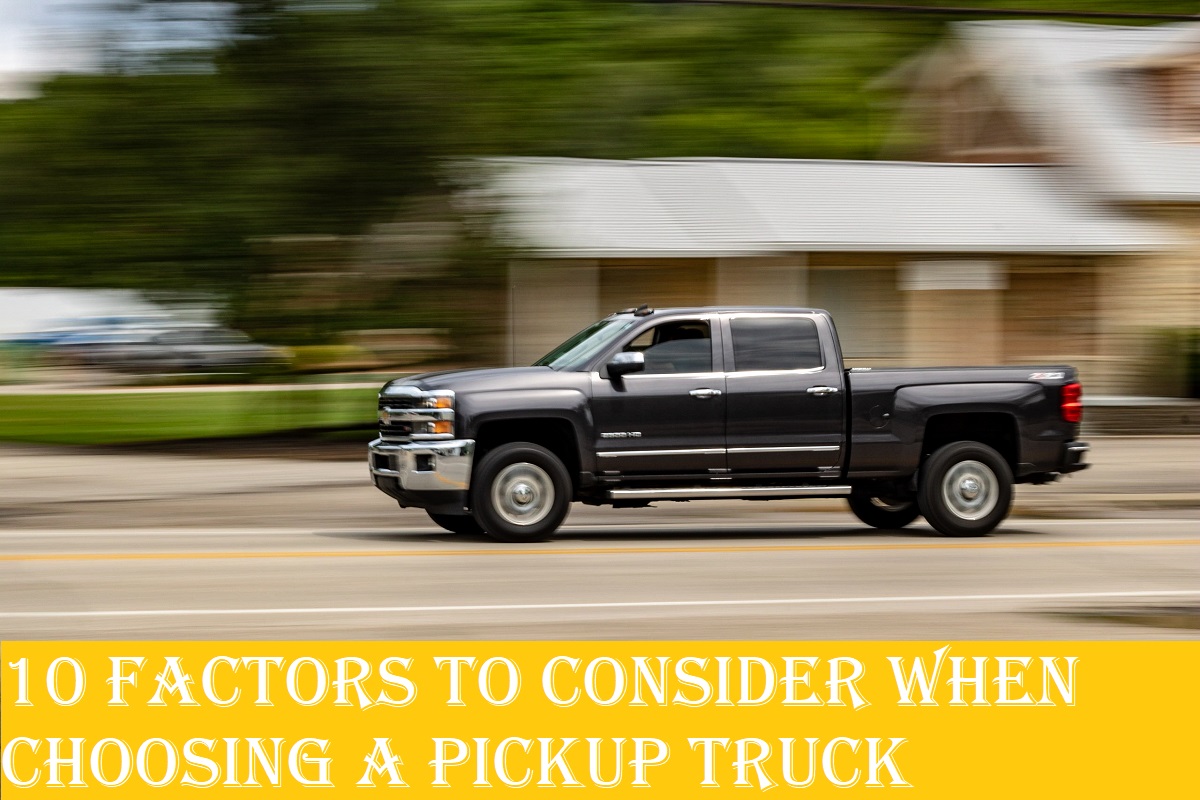
Choosing the right pickup truck can be a significant decision, whether you’re a contractor looking for a workhorse or an outdoor enthusiast seeking adventure. Pickup trucks come in various sizes and configurations, each tailored to specific needs. To help you make an informed decision, we’ll explore the essential factors to consider when selecting a pickup truck.
Intended Use
The first step in choosing a pickup truck is identifying its primary purpose. Are you looking for a vehicle to transport heavy cargo, a family-friendly truck, or an off-road adventure companion? Understanding your intended use will help narrow down your options.
- Work Truck: If you need a truck for hauling and towing, consider a full-size pickup with a powerful engine and ample towing capacity.
- Family Truck: For family-oriented use, you may want a crew cab or extended cab configuration with a spacious interior and backseat comfort.
- Off-Road Adventures: Opt for a truck with four-wheel drive (4WD) or all-wheel drive (AWD) capabilities, off-road suspension, and robust tires.
Size and Cab Style
Pickup trucks come in various sizes and cab styles. The key options include:
- Regular Cab: Usually the smallest and most affordable option, with seating for two or three passengers and a single row of seats.
- Extended Cab: Offers additional space behind the front seats for storage or occasional rear passengers, typically accessed by rear-hinged doors.
- Crew Cab: The largest cab style, with a full second row of seats and rear doors for easy access. Suitable for families or work crews.
- Bed Length: Consider the bed length that best suits your needs. Short beds (approximately 5-6 feet) are more manageable for daily driving, while long beds (around 8 feet) provide more cargo space.
Payload and Towing Capacity
Your payload and towing requirements are vital considerations. Payload refers to the maximum weight your truck can carry in its bed, while towing capacity represents the weight a truck can pull behind it. Choose a truck that matches your cargo and towing needs.
- Light-Duty Trucks: Suitable for everyday use, light-duty trucks have lower towing and payload capacities, typically ranging from 5,000 to 10,000 pounds.
- Heavy-Duty Trucks: If you require significant towing and payload capacity, opt for a heavy-duty truck. These can handle loads exceeding 10,000 pounds, with some models capable of towing over 30,000 pounds.
Engine Options
Pickup trucks come with a variety of engine options, including gasoline, diesel, and even hybrid or electric powertrains. Consider the following when choosing an engine:
- Fuel Efficiency: Gasoline engines are typically more fuel-efficient, making them a better choice for daily driving. Diesel engines offer better fuel economy for towing and long-haul driving.
- Towing: If towing capacity is a top priority, choose an engine with adequate horsepower and torque. Diesel engines often excel in this department.
- Environmental Impact: If you’re environmentally conscious, explore hybrid or electric pickup options, which are becoming increasingly available.
Drive Configuration
The drive configuration of your pickup truck determines how many wheels receive power from the engine. Common options include:
- Rear-Wheel Drive (RWD): Provides better traction when the bed is empty and offers a smoother ride. RWD is suitable for most everyday driving situations.
- Four-Wheel Drive (4WD): Offers additional traction and control in challenging off-road or adverse weather conditions. It allows you to switch between two-wheel drive and four-wheel drive as needed.
- All-Wheel Drive (AWD): AWD systems automatically distribute power to all wheels, providing stability and traction in various driving conditions. AWD is common in crossover trucks.
Fuel Efficiency
Consider the fuel efficiency of your chosen pickup truck. While trucks are known for their power and performance, advancements in technology have led to more fuel-efficient models. Fuel economy can impact your long-term operating costs, especially if you plan to use the truck as a daily driver.
- Gasoline vs. Diesel: Diesel engines are generally more fuel-efficient, offering better mileage and torque for towing. However, diesel fuel can be more expensive than gasoline.
- Hybrid and Electric Options: If fuel efficiency is a top priority, explore hybrid or electric pickup trucks. These vehicles combine the power of a traditional engine with electric motors, reducing fuel consumption.
Safety Features
Safety is paramount, regardless of how you intend to use your pickup truck. Look for safety features such as:
- Advanced Driver Assistance Systems (ADAS): Features like adaptive cruise control, blind-spot monitoring, lane-keeping assist, and automatic emergency braking enhance safety on the road.
- Airbags: Ensure your truck has a comprehensive airbag system, including side-curtain and side-impact airbags.
- Crash Test Ratings: Research the safety ratings of your chosen truck through organizations like the Insurance Institute for Highway Safety (IIHS) and the National Highway Traffic Safety Administration (NHTSA).
Interior Comfort and Technology
Your comfort and convenience on the road matter. Evaluate the interior features and technology, such as:
- Infotainment System: Consider the quality of the infotainment system, including touchscreen size, smartphone integration, and user-friendliness.
- Interior Materials: Assess the quality of interior materials, seating comfort, and cabin design.
- Creature Comforts: Look for features like dual-zone climate control, power-adjustable seats, and other amenities that enhance your driving experience.
Resale Value
Resale value is a crucial factor when choosing a pickup truck. Some brands and models retain their value better than others. A truck with a high resale value can save you money when it’s time to sell or trade in your vehicle.
- Resale Value Research: Use resources like Kelley Blue Book and Edmunds to research the resale values of different pickup trucks.
- Brand Reputation: Recognized and trusted brands often have better resale values.
Budget and Financing
Finally, establish a budget and consider your financing options. Determine how much you can afford to spend on your pickup truck, accounting for the purchase price, insurance, maintenance, and operating costs.
- Financing: Explore financing options, including loans and leases, to find the best terms and interest rates that fit your budget.
- Insurance: Remember that insurance costs can vary significantly between different truck models, so obtain insurance quotes during your decision-making process.
Buy Your Dream Pickup Truck at Vann York Chevrolet Buick GMC
Choosing the right pickup truck is a matter of assessing your specific needs, budget, and preferences. By considering factors like intended use, size, payload, towing capacity, engine options, and more, you can make an informed decision that aligns with your lifestyle and requirements. Conduct thorough research, test-drive different models, and consult with experts to ensure you find the perfect pickup truck for your needs. You can reach out to our team at Vann York Chevrolet Buick GMC for personalized assistance and a wide selection of high-quality pickup trucks. Contact us today to get started on your journey toward owning the truck of your dreams!
Connect with us


- February 2026
- January 2026
- December 2025
- November 2025
- October 2025
- September 2025
- August 2025
- July 2025
- June 2025
- May 2025
- April 2025
- March 2025
- February 2025
- January 2025
- December 2024
- November 2024
- October 2024
- September 2024
- August 2024
- July 2024
- May 2024
- March 2024
- December 2023
- November 2023
- October 2023
- September 2023
- August 2023
- July 2023
- June 2023
- May 2023
- April 2023
- March 2023
- February 2023
- January 2023
- December 2022
- November 2022
- October 2022
- September 2022
- August 2022
- July 2022
Archives
- Blogs
- Buick Dealer
- Buick Enclave
- Buick Envision
- Buick Envista
- Chevrolet Dealer
- Chevrolet Equinox
- Chevrolet Silverado 1500
- Chevy Blazer
- Chevy Cars
- Chevy Dealer
- Chevy Traverse
- Chevy Trax
- Envision
- EV
- GMC
- GMC Acadia
- GMC Canyon
- GMC Dealer
- GMC HUMMER EV Pickup
- GMC Sierra EV
- GMC Sierra HD
- GMC Yukon
- Hummer
- malibu
- Service
- Sierra 1500
- Sierra 2500 HD
- SUVs
- SUVs
- Trailblazer
- Trucks
- Uncategorized