


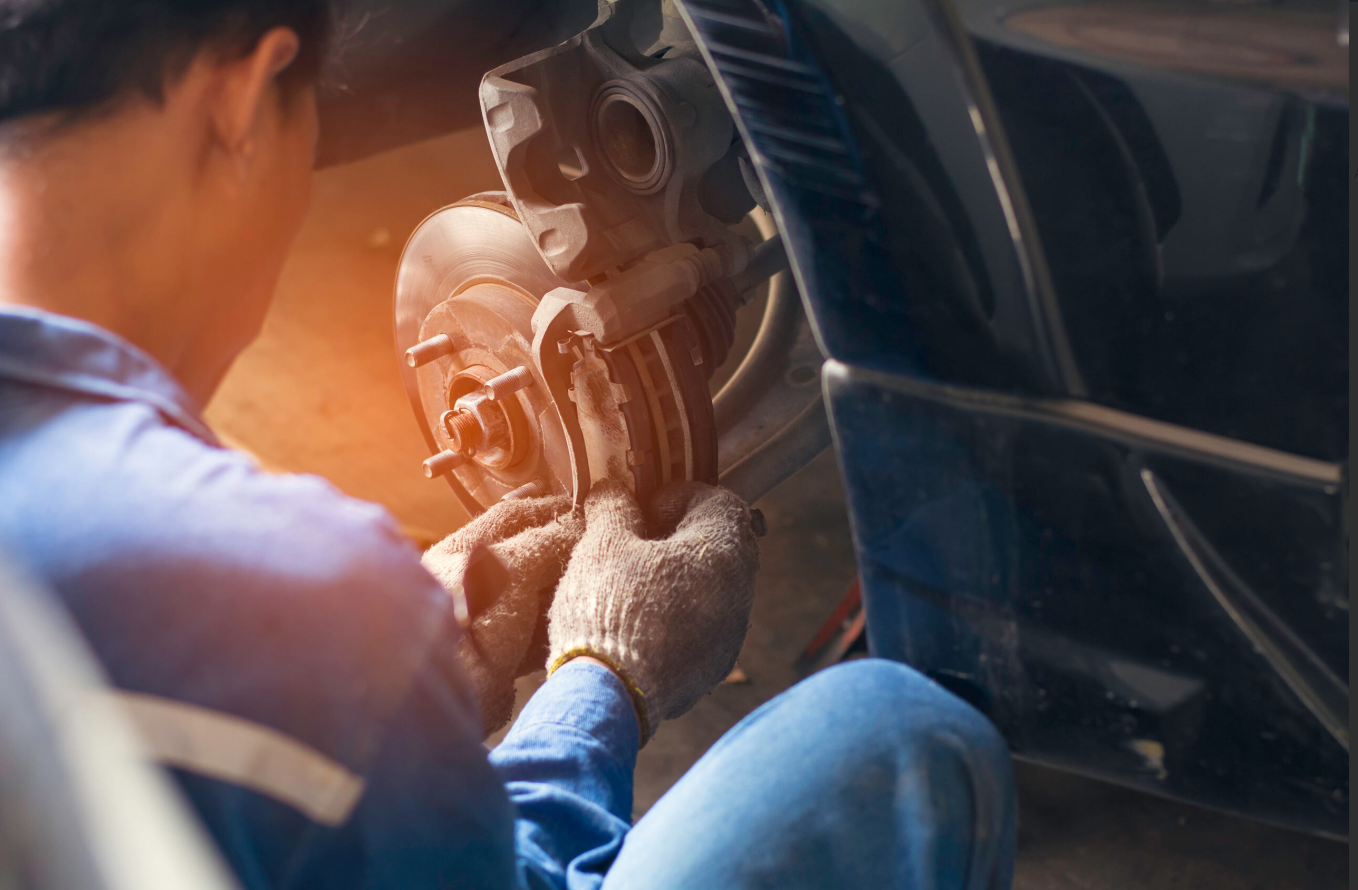
Your brakes are some of the most important safety features your Chevy has. Regular brake checks and prompt repairs are essential for keeping you safe on the road and preventing more serious issues down the line. Fortunately, your car is likely to give you plenty of warning that it’s time to visit your Chevy dealer for brake repair.
Signs You Might Need Brake Repair From Your Chevy Dealer
Your Brakes Squeak, Squeal, or Screech
Are your brakes making a noise that sets your teeth on edge? Bad news: something’s wrong. Squeaky brakes are one of the most common signs of brake problems. They usually pop up when your brake pads have started to wear down. Worn-out brake pads expose built-in metal wear indicators, and they rub against the rotors to make a high-pitched noise.
At the dealership, our technicians will inspect your brake pads and measure their thickness. If replacement is needed, we’ll install OEM brake pads made just for your Chevy model, meaning you’ll get back on the road with the performance your brakes were built to have.
You Hear Grinding Sounds When You Brake
If your brakes have progressed past squealing to grinding, that’s usually more serious. It’s a sign that your brake pads have worn down completely, allowing the metal backing to grind against your rotors. This can really damage your rotors, and if you don’t do something about it fast, the brake repair bill will be quite a bit higher.
When you bring your car in, we’ll assess the damage to both the pads and the rotors. If your rotors are salvageable, they might be resurfaced to make them smooth and even again. However, if they’re too damaged, both the pads and the rotors will need to be replaced to get things working correctly again.
Your Brake Pedal Pulses or Vibrates
Does your brake pedal vibrate when you press it? You might have warped your rotors. Rotors usually warp when too much heat builds up during prolonged braking. It can also come up if your pads are pressing unevenly on the rotor’s surface.
Our expert technicians will use precision tools to check the flatness and thickness of your rotors. Warped rotors can sometimes be machined to have a flat surface again, but if they are too thin or seriously damaged, they will need to be replaced to make sure your brakes are safe.
Your Brake Pedal Feels Too Soft
When you hit the brakes, your brake pedal isn’t supposed to be spongy or sink quickly and easily all the way to the floor. If it feels like you’re stomping on a marshmallow when you need to slow down, it’s time to get those brakes checked out. You might have damage to your brake lines, low brake fluid, or air in the lines. Any of these problems can reduce your ability to stop in an emergency.
The skilled technicians at your Chevy dealer will perform a thorough inspection of the brake lines and master cylinder. We can bleed the brakes to remove any air from the lines and check for leaks. If necessary, we can replace the master cylinder or repair any leaks with genuine Chevrolet parts to ensure the brake system is airtight and operates efficiently.
Your Brakes Aren’t Working the Way They Should
Any time you notice your brakes performing worse than they did before, you ought to be concerned. Are your brakes less responsive than they used to be? Is your car taking longer to stop than usual? There’s a problem, and it could prove to be dangerous. The culprit could be something easily fixed, like worn brake pads or low or contaminated brake fluid, but it might also be a more serious issue.
Our service team will check your brake fluid levels and test the fluid for contamination. If it’s low or dirty, we’ll replace it with fresh, manufacturer-approved brake fluid. We’ll also inspect your pads and rotors to determine if they need replacing or servicing.
The Brake Light on Your Dashboard Lights Up
Are you seeing stars on the dash when you turn on your car? The warning lights on your dashboard are meant to alert you when something’s wrong. If the brake light on your dashboard comes on, it’s a direct signal from your car’s diagnostic system that there’s a problem with your brakes.
Chevy technicians at your dealership have specialized diagnostic tools to read the error codes from your vehicle’s onboard computer. This helps to pinpoint exactly what’s wrong, whether it’s a sensor issue, a problem with the anti-lock braking system (ABS), or another brake-related issue. Then, we can fix the problem quickly and efficiently.
Your Car Pulls to the Side When You Brake
Does your car pull to one side when you try to brake? Aside from making your vehicle harder to control, this problem can be dangerous on the road. Pulling to one side when you brake can be caused by uneven brake pad wear, a stuck caliper, or a collapsed brake hose.
At the dealership, our technicians will check your brake pads for uneven wear and inspect your calipers and hoses for any signs of trouble. We might also recommend aligning your tires for the best possible performance of your brakes.
You Smell Burning When You Brake
Do you smell burning when you brake? If you smell burning rubber or a sharp chemical smell after repeated hard braking, there’s a good chance your brakes have overheated. That means it’s time to give your brakes a chance to cool off. If you keep using your brakes, you might cause brake fade and reduce your car’s ability to slow down or stop.
After your brakes have cooled, you should get them checked out to make sure you haven’t done any serious damage. We’ll take a peek at commonly overheated components, such as the brake pads and rotors, for signs of failure and recommend replacing anything that’s been too damaged.
Recognizing signs of brake trouble can be the difference between a minor repair and a major overhaul. By choosing professional brake repair at your Chevy dealership, you benefit from expert technicians who use specialized tools and genuine parts designed to meet the specific needs of your vehicle. Call Vann York Chevrolet Buick GMC in High Point, NC, to schedule your next brake service today.
Connect with us


- February 2026
- January 2026
- December 2025
- November 2025
- October 2025
- September 2025
- August 2025
- July 2025
- June 2025
- May 2025
- April 2025
- March 2025
- February 2025
- January 2025
- December 2024
- November 2024
- October 2024
- September 2024
- August 2024
- July 2024
- May 2024
- March 2024
- December 2023
- November 2023
- October 2023
- September 2023
- August 2023
- July 2023
- June 2023
- May 2023
- April 2023
- March 2023
- February 2023
- January 2023
- December 2022
- November 2022
- October 2022
- September 2022
- August 2022
- July 2022
Archives
- Blogs
- Buick Dealer
- Buick Enclave
- Buick Envision
- Buick Envista
- Chevrolet Dealer
- Chevrolet Equinox
- Chevrolet Silverado 1500
- Chevy Blazer
- Chevy Cars
- Chevy Dealer
- Chevy Traverse
- Chevy Trax
- Envision
- EV
- GMC
- GMC Acadia
- GMC Canyon
- GMC Dealer
- GMC HUMMER EV Pickup
- GMC Sierra EV
- GMC Sierra HD
- GMC Yukon
- Hummer
- malibu
- Service
- Sierra 1500
- Sierra 2500 HD
- SUVs
- SUVs
- Trailblazer
- Trucks
- Uncategorized