



Follow These Simple Steps to Fill Up Your Car Tires
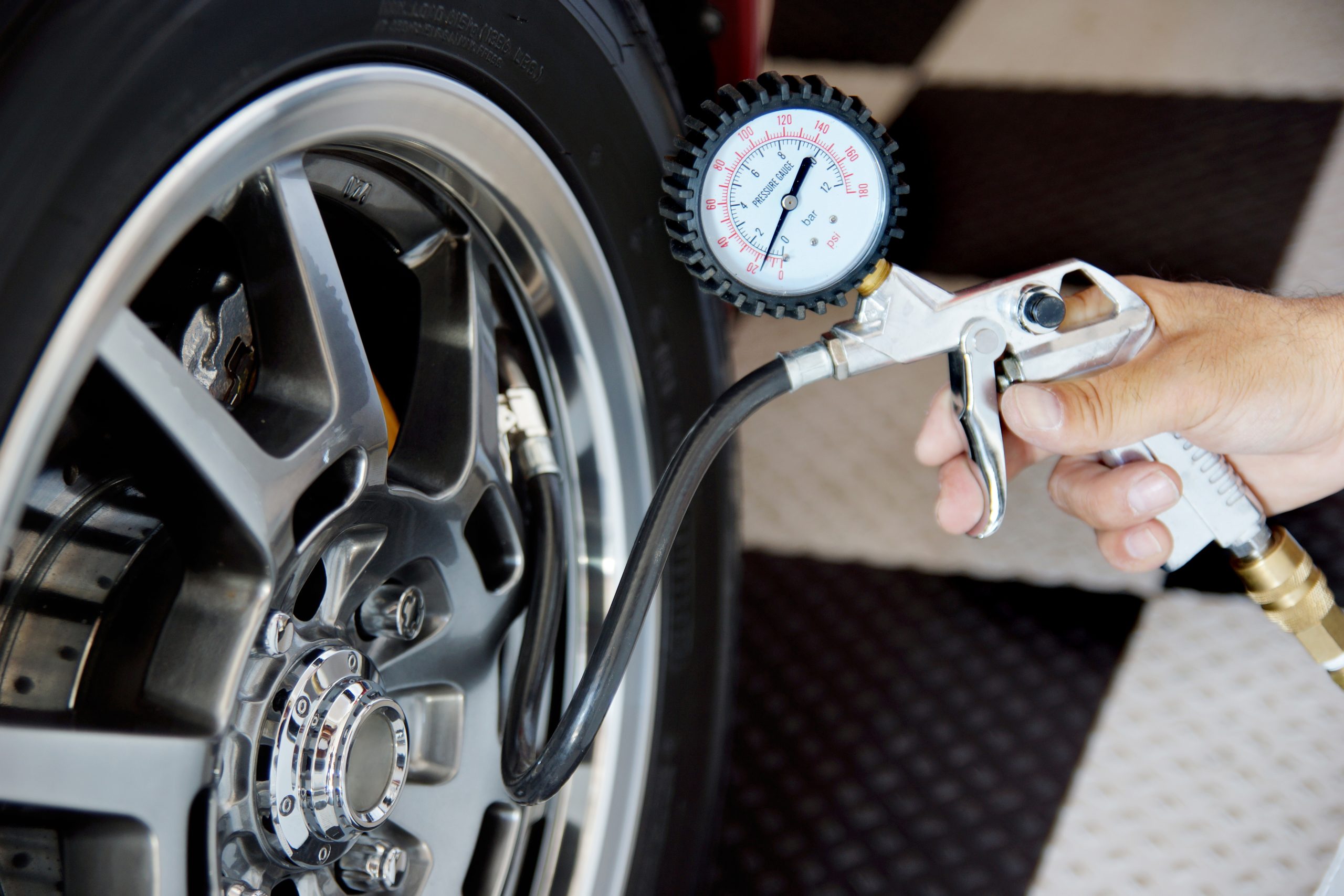
Maintaining proper pressure in your tires is an essential part of car maintenance. You may see that pesky low tire pressure warning and think that you can keep putting it off, especially if there doesn’t seem to be any issues driving. Don’t do this! Keeping your tires filled to the optimal level not only keeps you safe on the road, but also drastically increases the life of your tires by preventing premature wear. As a car owner, it’s important that you know how to check your tire pressure and refill as necessary.
The importance of correct tire pressure
Ensuring that your tires are always properly inflated is important for many reasons. First and foremost, making sure that your tires are full will keep you safe on the road. Deflated tires can decrease the handling and performance qualities of your vehicle, making it harder to control and increasing the likelihood of being in an accident. On top of this, low tire pressure will also decrease the fuel efficiency of your vehicle. As a result, you’ll be spending a lot more time and money at the gas station. If your tires are not completely full, you can also cause premature wear on the treads. This will decrease the life of your tires, meaning that you will have to replace them with new ones more often.
If you’ve been ignoring that low tire pressure warning for a while, it may be a smart idea to check the tread depth of your tires. Simply use the penny trick. Place any normal penny in one of the treads of your tire. Lincoln’s face should be upside down and toward you. If his entire head is exposed, that means that your tires are too worn down. The tread depth is below 2/32nd of an inch and you will need to replace your tires. If you are using the penny trick, make sure that you verify tread depth in several locations on all four of your tires. This is important because tires can wear at different rates in different locations.
Filling your tires to the correct pressure
When it comes to tires, over inflating and under inflating can cause problems. Because of this, you should make sure that you know the maximum pressure for tires on your vehicle. You can find this information inside the driver’s door of your car. There should be a little sticker with this and other information about the vehicle displayed. If your car is a bit older, you may not have this sticker. If this is the case, check in the owner’s manual for your vehicle to find the maximum fill pressure. As a rule of thumb, tires on most vehicles require 32 to 35 psi.
Checking your tire air pressure
Checking the air pressure in your tires is a very simple and easy task that you can do from the comfort of your home. If you don’t already own one, buy a tire pressure gauge. You can get a decent one for under $40 usually. You might also want to consider keeping the pressure gauge in your car permanently. That way, you’ll be able to check your tire pressure on the go. There are pressure gauges at most gas stations, but these are not always the most reliable and can vary from station to station.
When checking the pressure in your tires, first make sure that the car has cooled off, especially if you’ve been driving for a while right before. When you drive, the temperature of the tires increases, causing the pressure to subsequently increase. You will want to make sure that the temperature has returned to ambient levels prior to verifying the pressure. When checking the pressure, first remove the valve stem cap from the tire. Attach the air pressure gauge to the stem. Sometimes, you may get a reading that is clearly inaccurate. If this is the case, remove and reattach the gauge, ensuring that you have a snug fit. This may take a few attempts if it is your first time checking your tire pressure. Once you get a good reading, crosscheck the value on the gauge against the value you read off of the driver’s side door. If there is a discrepancy, add air to the tires.
How to inflate car tires
Inflating your car tires can seem daunting if you’ve never done it before. But there’s no need to worry – filling up your tires is super easy, even for the most inexperienced car owners. There are air refill stations located at most gas stations. Park your car next to one of the dispensers, ensuring that you are positioned well enough so that the air dispenser hose can reach all four of your tires. As with checking the air pressure, you will first want to make sure that your tires have cooled down. Tires heat up when you drive, causing the air inside to expand and increase the pressure. If the nearest air refilling station is quite far from home, make sure that you verify the pressure before leaving the house. Check again once you arrive at the station. If there is a difference, wait until the pressure levels out. Never bleed the air to get the pressure to match.
Once you’re ready to fill your tires, follow these steps:
- Take off the valve stem cap: While your tires will still hold pressure without it, this piece stops debris from entering your tires. Hold onto it!
- Connect the air dispenser hose: Connect the hose to the valve stem, verifying that you have a secure connection between the two.
- Turn on the airflow: Turn on the air dispenser. As you are filling, make sure to keep track of the pressure level to prevent overfilling the tire. Some air dispensers can be preset to a desired fill level, and will beep when the tire reaches this value. If you accidentally add too much air, remove some by pressing on the metal stem.
- Verify the pressure: You should always check the air pressure with your personal pressure gauge, instead of relying on the one at the gas station. Again, these gauges can sometimes be inaccurate.
- Replace the valve cap: Make sure that you replace the valve cap. This will keep dust out of your tire’s interior.
- Repeat: Time to fill the other three tires! Make sure to inflate each to the same pressure.
Filling up your tires doesn’t need to be a huge headache. In fact, it’s one of the most simple and easy maintenance steps that you can complete on your own. By keeping your tires filled to the correct pressure, you can increase your vehicle’s fuel efficiency, maintain good handling qualities, and extend the lifespan of your tires. If you have any questions about filling your tires, do not hesitate to reach out to Vann York’s service department.
What to Know Before Buying a Work Truck

So you’re interested in buying a new work truck? Whether you’re using the vehicle for personal projects, or adding a truck to your company’s commercial fleet, there are a lot of factors to consider before making a purchase. Work trucks come in a variety of sizes and styles, and offer a huge range of capabilities for drivers. Before heading to the dealership, make sure you take a look at these guidelines for selecting the right truck for you. Think about the following questions:
What is the max load that my work truck will need to tow or haul?
Consider what you plan on using your new work truck for. Do you need to have a lot of towing capability? Or will you be mostly carrying payloads in the truck bed? Regardless of whether you are towing or hauling, what is the maximum weight that you will need to carry? Thinking about these factors can help you start to narrow down your options.
When you consider hauling capability, work trucks are divided into three categories. These include light-duty, medium-duty, and heavy-duty vehicles. These categories are determined using something called the Gross Vehicle Weight Rating (or GVWR). This value represents the maximum load carrying capacity of the truck. This includes the weight of the truck itself, fuel, and passengers, in addition to the weight of any payload that you may be carrying in either the truck bed or cab of the vehicle. Never ever exceed the GVWR. This is the absolute maximum weight that your vehicle can operate at before safety becomes an issue. Manufacturers cannot guarantee vehicle performance above this maximum load. Because of this, it’s essential that you know how much weight you plan on hauling prior to purchasing your new vehicle. There are eight weight classes within the GVWR system, as follows:
Light-Duty Trucks
Class 1: GVWR of 0 to 6,000 pounds
Class 2: GVWR of 6,001 to 10,000 pounds
Class 3: GVWR of 10,001 to 14,000
Medium-Duty Trucks
Class 4: GVWR of 14,001 to 16,000 pounds
Class 5: GVWR of 16,001 to 19,500 pounds
Class 6: GVWR of 19,501 to 26,000 pounds
Heavy-Duty Trucks
Class 7: GVWR of 26,001 to 33,000 pounds
Class 8: GVWR of 33,001 pounds or more
The GVWR classification of a truck is different from the vehicle’s towing capability. When towing, you are pulling weight, applying load to the frame in the horizontal direction. On the other hand, when you are hauling something in the truck bed, you are pushing down vertically on the vehicle frame. The towing capacity will vary depending on things like the engine, transmission, and suspension of the work truck. Typically, your vehicle will come with a sticker on the door that displays the towing capacity. If not, you can always verify using the owner’s manual. If there is ever any doubt, do not hesitate to ask the dealership about whether or not the truck you’re interested in is safe for the amount of weight you plan on towing. As a general rule of thumb, heavy-duty pickup trucks can tow upwards of 30,000 lbs. When it comes to light-duty trucks, that figure typically sits between 5,000 to 10,000 lbs.

Do I need a 2-wheel or 4-wheel drive truck?
Despite what those unfamiliar with work trucks may think, most light-duty vehicles are actually two-wheel drive. This includes many pickups, cargo trucks, and delivery vans. Benefits include less chance of transmission problems, increased fuel efficiency, and overall cheaper costs. In general, two-wheel drive is good enough for most work applications. However, consider the specific environments in which you will be driving. Do you work off road a lot, or have to deal with wintry conditions part of the year? If so, a four-wheel drive vehicle may be better suited to your needs, despite the higher price tag. A four-wheel drive truck is also a better option if you need to tow exceptionally heavy loads. This will provide you with more stability and control, particularly in slippery or off road conditions.
Do I need a gas or diesel engine?
The type of engine you have will play a big role when it comes to towing capability, payload capacity, and ultimate costs. Typically, diesel trucks tend to have higher towing capacity, since they have high torque compared to gasoline engines. These vehicles are often more durable and may last you a longer period of time. On the other hand, gasoline engines are cheaper to both buy upfront and maintain over time. They also tend to have higher payload capacity.
What size truck bed is required for my work?
Think about what you plan on carrying in your vehicle. What type of payloads will you primarily have? What size? Dimension your truck bed based on expected payloads. Typically, truck bed lengths are divided into:
Short bed: 5’5” to 5’8”
Standard bed: 6’3” to 6’6”
Long bed: 8’ to 8’1”
Depending on what you plan on carrying, you may want an open or closed truck bed. Closed truck beds include roofing and walls to better protect and contain cargo. This may also be a consideration if you work somewhere with frequent bad weather conditions.
How much room do I need in the truck cab for my passengers?
Work trucks come with a variety of cab types and sizes. The type of cab you ultimately select should depend on the number of passengers you plan on transporting. Typically, cab types include the following:
Standard cab: This traditional truck typically only has two seats. Sometimes a third middle seat is provided, but does not offer a lot of comfort.
Extended cab: These trucks have jump seats behind the front row. Based on the small size, these may not be comfortable for a normal-sized adult to use on a regular basis. These vehicles only have two doors.
Crew cab: These work trucks can accommodate up to 6 people in the front and rear seats. They have four doors, and are a great option for work crews that need to travel to the job together.
Conclusion
It can be confusing buying a work truck – especially if it’s your first time! Follow the above guidelines to help steer you in the right direction. If you are ever unsure, don’t hesitate to reach out to a professional at Vann York. And make sure that you check out our specials for Truck Season!
8 Tips That Can Help Retain Your Car’s Resale Value

Key takeaways:
- You may reduce the effects of depreciation on your vehicle by using simple tips.
- Try keeping your car’s interior clean and free of dirt or stains.
- Make sure you maintain regular maintenance, like routine oil changes and inspections.
- Limit the miles you drive each year to help preserve your car’s value.
- Handle repairs as soon as possible so they don’t cause further damage down the road.
- Park your car in a safe place to prevent rust or other damage.
- Avoid aftermarket customization, as this could decrease the resale value of your car.
You hear the word “depreciation” frequently in the car sector. However, it’s not necessarily the first thing that buyers think about. It is difficult to accept that any loss is not worth the pleasure you feel when driving your ideal vehicle.
At the same time, some consumers desire to minimize the effects of depreciation. Some individuals have discovered that it’s possible to keep your car worthwhile while still giving it some style and individuality. Others just cut back on their driving time to reduce mileage. You can approach car ownership any way you choose, but here are eight tips that can help retain your car’s value.
Let’s get started!
Tip 01: Clean the Interior of Your Car
A car’s interior says a lot about its owner. If it’s clean and well-cared-for, the owner takes pride in their vehicle and regularly performs maintenance. Conversely, a dirty or cluttered interior conveys carelessness and a lack of attention to detail.
To increase your car’s resale value, keep your car’s interior spotless and free of any dirt or stains. If you have kids, try to clean their car seats. Pet hair can also be a pain to get rid of, so if you have furry friends, vacuum regularly. Also, avoid smoking in your car, as the smell can be very difficult to eliminate. A well-maintained interior will help retain your car’s value down the road.
Tip 02: Keep Up with Regular Maintenance
Routine oil changes are the secret to keeping your car’s engine and general health in good shape. Your automobile depends on many fluids, all of which need to undergo periodic maintenance inspections. Imagine what it’s like to neglect these simple maintenance chores now. You raise the likelihood of future issues in addition to causing your engine to operate on unclean motor oil. In other words, ensure that your engine has clean enough oil at all times to ensure durability.
Tip 03: Limit the Miles You Drive
One of the best methods to keep your car’s value high is to limit the amount you drive. The more extra miles you put on your vehicle, the more likely it is to experience wear and tear. When determining whether or not to trade your automobile for a newer model, it’s crucial to keep this in mind. Your automobile will probably keep its worth far better if you put a few thousand miles on it yearly instead of 20,000 or more.
Of course, this isn’t always easy or practical if you have a long commute or use your car for business purposes. But try to walk or carpool when you can, and take public transportation whenever possible.
Tip 04: Handle Repairs As Soon As Possible
It goes without saying that a well-maintained vehicle will be worth more than one that isn’t. This means taking care of repairs as soon as needed, rather than putting them off or driving around with the engine light on.
Big or small, every repair counts when it comes time to resell your car. So don’t neglect even the seemingly minor issues.
Tip 05: Keep All of Your Car Documents Safely Stored
Make sure you keep all important car documents in a safe place. You’ll need your car’s title, registration, and proof of insurance if you ever need to sell or trade-in your vehicle. Losing any of these items will make getting top dollar for your car much harder.
Additionally, save the receipts any time you get your car serviced, repaired, or detailed. These will be useful when it’s time to show potential buyers that you’ve kept up with regular maintenance.
You should also keep records of any aftermarket additions or modifications you’ve made to the vehicle.
Tip 06: Drive Carefully and Maintain a Good Driving Record
It is obvious that prospective buyers will find your car less appealing if it has body damage. However, earlier damage still impacts the car’s market value even if it was repaired. In the end, driving cautiously and abiding by the traffic laws, such as avoiding speeding, will prevent accidents and vehicle damage. It’s also good to learn defensive driving techniques to protect yourself and your investment on the road.
Tip 07: Park Your Car with Care
Parking your car correctly can help retain its value. Ensure you’re not parking in a too-tight spot – this could damage the paint job. If you reside in an area with moist temperatures, be extra careful where you park to avoid rust, as too much moisture can cause your car to rust.
Tip 08: Avoid Aftermarket Customization
While you might love how those new rims look, modifying your car’s appearance can decrease its value. Most buyers are looking for a car they can personalize to their taste, so if you’ve made changes that can’t be undone, you’ll likely have to sell your car for less than it’s worth. Stick to the original parts that came with your car, or upgrade with OEM (original equipment manufacturer) parts.
Additionally, avoid color-coding your car. Stick to more subdued colors if you want to retain your car’s value as much as possible.
Ending Note:
If you perform a few minor repairs to your automobile while still owning it, you might be able to demand more money from the next buyer when the time comes.
Keep a reminder list close at hand to remember when to perform routine maintenance, save all receipts for repairs made to your car, and keep it as near the factory settings as you can. These easy techniques could prove useful when you’re prepared to move on.
Vann York Chevrolet Buick GMC, serving Jamestown can help!
Bring your Buick vehicle to Vann York Chevrolet Buick GMC for all your service and repair needs, from basic maintenance to major repairs. You can count on a continuously superior driving experience for the life of your lease or ownership.

Key Takeaways:
- Short circuits in your car can happen when there is a break or interruption in the flow of electricity. This can be caused by various things, such as damaged wiring, loose connections, or even water damage.
- If you suspect your car has an electrical short circuit, it is important to have it repaired as soon as possible.
- Don’t attempt to drive your car if it shows electrical problems. This can be extremely disastrous & result in further damage to your vehicle or even injuries to yourself or others.
If you experience an electrical short circuit in your car, it can be a scary and confusing experience. If you’re lucky, the problem will be a simple fix that you can do yourself. However, if the problem is more serious, you may need to take your car to a reliable service center. Either way, it’s important to know what to expect to be prepared.
This blog post will closely examine electrical short circuits, their causes, and how to fix them. We’ll also explore some potential consequences of ignoring a short circuit. It’s a common car problem, and you should know how to deal with it effectively.
So, if you find yourself in this situation, take a deep breath and read on. We’ve got you covered.
What Causes an Electrical Short Circuit?
It’s quite simple. When two wires in your car that are not meant to touch each other do connect, they create a new connection that allows electricity to flow between them. As a result, the electrical current is forced to take a detour through the new link, causing a drop in voltage and an increase in resistance. This can cause the wires to heat up and potentially start a fire in your vehicle. So, if you ever notice sparks or smoke coming from your car, it’s probably due to one of the following reasons:
1. Arcing
Short circuits can happen for various reasons, but most often, it’s due to something called “arcing.” Arcing is when electrical current jumps across an air gap, usually due to a break in the insulation surrounding the conductor. This can also happen if two wires come into contact with each other or a wire comes into contact with a metal surface.
2. Damaged Insulation
Most short circuits in your car occur due to damaged insulation. If the insulation around a wire gets damaged, it can expose the conductor inside. This can happen if a wire is damaged or rubs against a sharp edge.
3. Moisture
Moisture can damage insulation and cause wires to come into contact. This can happen if a wire is exposed to water or is installed in an area with high humidity.
4. Corrosion
Corrosion can damage insulation and cause wires to come into contact. This can happen if a wire is exposed to corrosive materials, such as salt water or chemicals.
If you need to have your car repaired, you can bring it to a mechanic or reliable service center. You can also do the repairs yourself if you are comfortable working with electrical systems, but it’s not recommended.
Here’s some more reading on short circuits in cars.

Possible Consequences of a Short Circuit in Your Car
One of the potential consequences of ignoring a short circuit is that the electrical current may cause the metal elements in the car to heat up and melt. This could lead to a fire, damaging the vehicle and even injuring passengers.
In addition, if the electrical current is strong enough, it could cause an explosion that can seriously damage the car and anything else in its immediate vicinity.
Suppose the short circuit is neglected for too long. In that case, it could eventually cause the battery to overheat and explode, which would be incredibly dangerous and release toxic chemicals into the environment.
These potential consequences underscore the importance of taking care of a car short circuit as soon as possible. Any delay could lead to serious damage, injury, or even death.
Signs Your Car Has a Short Circuit
Several signs indicate that your car has a short circuit. These include:
- The car’s electrical system suddenly stops working
- A burning smell coming from the car
- Lights flickering or dimming unexpectedly
- Smoke coming from under the hood
What to Do When Your Car Has a Short Circuit?
- If you think you may have an electrical short circuit in your car, you should first turn off the engine & all electrical systems.
- Then, identify the source of the problem. This can be tricky, as multiple factors often contribute to a short circuit. However, the most common culprits are loose or damaged wires, faulty electrical components, or water damage.
- Check the fuse box. If there is a blown fuse, this can cause an electrical short circuit. You can either replace the fuse or try to reset it. If the fuse box looks fine, the next thing you should check is the wiring.
- If the problem is due to loose or damaged wires, remove any damaged sections of the wire. Use electrical tape or other means to repair damaged areas. Once you’ve done this, you should test the repaired area to ensure it’s functioning properly.
- If there’s a short circuit due to water damage, let it dry before you turn on the ignition. Open the area so air can circulate, and use fans or dehumidifiers to speed up drying.
Beware! Don’t attempt to drive your car if it seems to have electrical problems. This can be extremely disastrous & result in further damage to your vehicle or even injuries to yourself or others. Suppose you’re unsure about the severity of the problem. In that case, it’s always best to err on the side of caution and seek professional assistance.
Related: What should I do when my car overheats?
Conclusion
If you think you may have an electrical short circuit in your car, it’s important to take action quickly. These problems can be dangerous and should be fixed as soon as possible.
Vann York Chevrolet Buick GMC serving Thomasville, NC, knows you’re busy, and your car is important to you. That’s why we have certified service experts who can take care of everything for you, so you don’t have to worry about a thing.
Our team can do everything from oil changes and brake repairs to short circuit repairs. We use only the latest technology & equipment so your car gets the best care possible.
Schedule an appointment today and rest easy knowing your vehicle is in good hands.
Does My Car Require Coolant Or Antifreeze?
Key Takeaways:
- Coolant is a fluid that helps to regulate the temperature of your car’s engine, while antifreeze is a fluid that helps to prevent freezing.
- You can keep your engine running at peak performance by flushing out the old coolant and replacing it with fresh fluid.
- There are several different types of engine coolant in the market. Always follow the manufacturer’s instructions for use and maintenance.
- A 50/50 mix of anti-freeze and water is good for most cars in temperate climates.
If you’re like most Americans, you probably only know the very basics of car maintenance. Unless something is blatantly wrong with your car, you probably take it in for an oil change and call it a day. But even if you’re not mechanically inclined, there are some essential things you should know about your car — like whether or not it needs engine coolant or antifreeze.
In this post, we’ll explain the basics of engine cooling systems and help you determine whether your car needs coolant or antifreeze. We’ll also share some helpful tips on keeping your engine running smoothly during the winter months. So continue reading to learn all the essentials you need to know about keeping your car cool!
Coolant and Antifreeze: The Key Differences!
Antifreeze and coolant – the terms are often used interchangeably, but there are some important differences between the two.
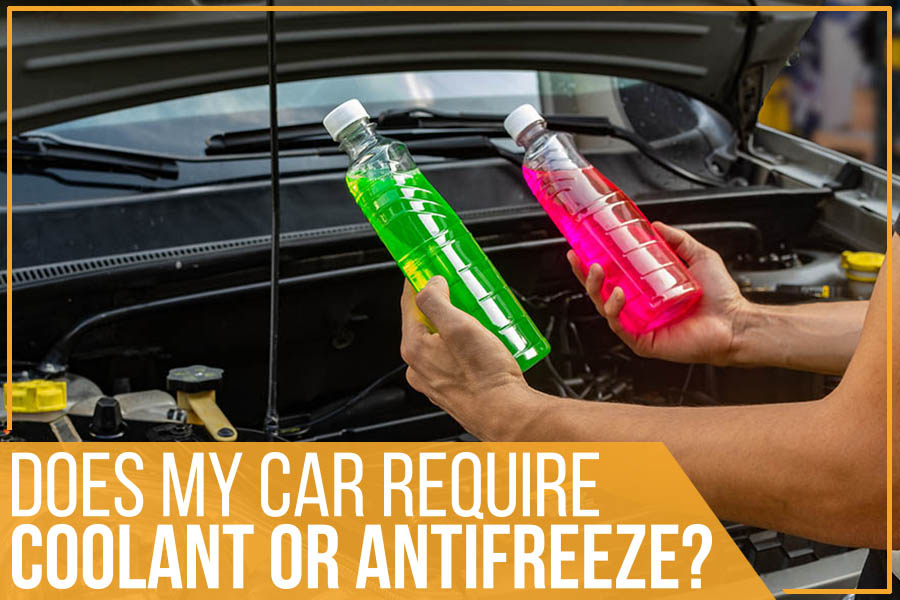
Antifreeze is a solution added to water to lower its freezing point. Coolant is a mixture of water & antifreeze used to keep your engine cool.
The main difference is in their composition. Coolant is typically a mix of water and ethylene glycol, while antifreeze is a mix of water and propylene glycol. Ethylene glycol is more effective at cooling than propylene glycol but is also more toxic.
You should only use coolant in well-ventilated areas and keep it away from children and pets. Antifreeze, on the other hand, is not as effective at cooling but is less toxic, making it a safer choice for use around children and pets.
Coolant can also be used as antifreeze, but antifreeze should not be used as a coolant.
Why Should You Change Your Engine Coolant?
Coolant helps to regulate the temperature of your engine, and it also prevents corrosion and rust. Over time, however, coolant can become contaminated with grease, oil, and other debris. This can reduce its effectiveness and lead to engine problems. That’s why it’s important to change your engine coolant regularly. You can keep your engine running at peak performance by flushing out the old coolant and replacing it with fresh fluid. So don’t neglect this simple maintenance task – your car will thank you for it in the long run.
Related article: What to do when my car overheats
Why Do You Need to Change Your Antifreeze?
Antifreeze, like all fluids in your automobile, deteriorates with time, becoming more acidic. Corrosion can damage the radiator and other critical cooling system components, such as the water pump, hoses, thermostat, and radiator cap. Rust, dirt, and other undesirable particles may be found in your radiator. Contaminants like these will impair the antifreeze’s ability to keep the engine cool. This might cause the engine to overheat or cause piston welding on one of its cylinders.
Different Types of Coolant
As any driver knows, engine coolant is essential for keeping your car functioning well, especially in the summer. But with so many different types on the market, it can be hard to know which one is right for your vehicle. Here’s a quick guide to the three most common types of coolant: IAT, OAT, and HOAT.
IAT coolant, or Inorganic Additive Technology, is the traditional type of coolant. It contains ingredients like silicates and phosphates, which help to prevent corrosion. However, IAT coolant can harm aluminum components, so it’s not recommended for all vehicles.
OAT coolant, or Organic Acid Technology, is a newer coolant that uses organic acids instead of inorganic additives. OAT coolant is less likely to cause corrosion, and you can use it in vehicles with aluminum components. However, OAT coolant is not compatible with all engine coolant systems, so check your owner’s manual before using it.
HOAT coolant, or Hybrid Organic Additive Technology, is a mix of IAT and OAT coolants. HOAT coolants contain inorganic and organic additives, making them more effective at preventing corrosion than either type of coolant alone. HOAT coolants are compatible with all engine cooling systems and can be used in vehicles with aluminum components.
No matter which type of coolant you choose, follow the manufacturer’s instructions for use and maintenance. And if you’re ever unsure about which type of coolant to use in your vehicle, consult a qualified mechanic.
What Are the Right Ratios?
Your car’s cooling system requires a mixture of antifreeze and water that is neither too strong nor too weak. The ratio of water to antifreeze depends on the climate where you live.
- A 50/50 mix is good for most cars in temperate climates
- A 40/60 mix is better for colder climates
- In very cold climates, a 30/70 mix is often used to help prevent freezing
No matter the ratio, it’s important to use a high-quality antifreeze and check your coolant levels regularly. Following these simple tips can help keep your car running smoothly all year round.
How Does the Engine Coolant Work?
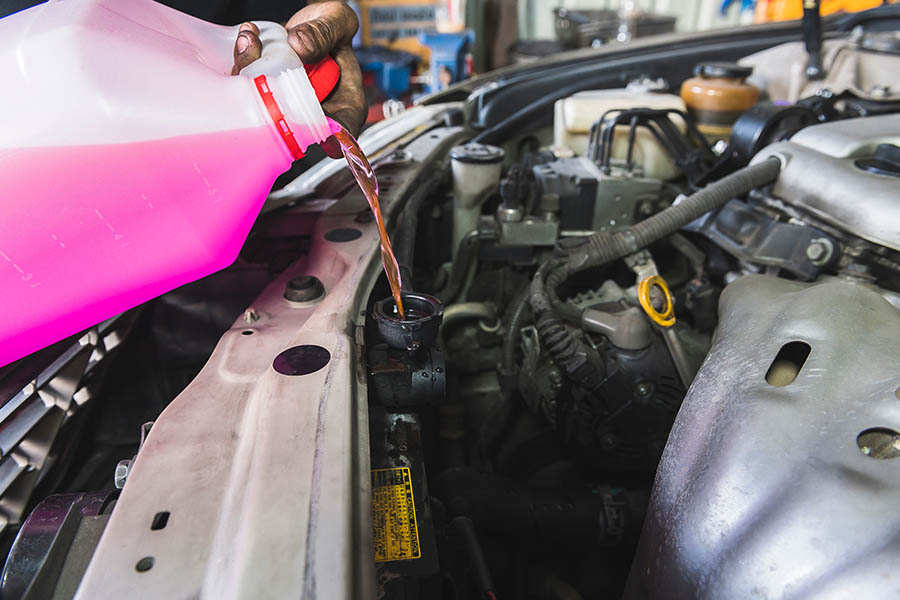
Your car’s coolant is vital for keeping your engine from overheating. It does this by circulating through the engine and absorbing heat. The coolant is then cooled by the radiator and circulated back through the engine. Over time, though, the coolant breaks down and becomes less effective. That’s why it’s important to change your coolant regularly.
How Often Do You Need to Change Your Antifreeze and Coolant?
How often you need to change your coolant depends on the type you use and your driving habits. Most experts recommend changing it after every 30,000 miles or two years.
With extended life coolants, you can usually go up to five years or 100,000 miles before changing it. If you do a lot of city driving or operate in extreme conditions, you may need to change it more often. Check your owner’s manual for specific recommendations.
Conclusion
Radiator coolant, or antifreeze, keeps your car engine from overheating and freezing. Coolant circulates through your engine, absorbing heat. Antifreeze lowers the freezing point of water in your car to prevent freezing in very cold climates. Over time, the antifreeze and coolant break down and must be replaced. Most experts recommend changing them after every 30,000 miles or two years.
If your car is due for any car fluid replacement, bring it to Vann York Chevrolet Buick GMC, serving Kernersville, NC. We’ll give your car a thorough inspection and replenish any fluids that may be low! Don’t starve your vehicle of essential liquids, and let us take care of your most beloved possession!
9 Sounds That Spell Trouble For Your Car
Key Takeaways:
- When the car makes strange noises, it’s best to take it to a local mechanic to have them take a look.
- Brakes that screech, squeal, or grind are usually in need of service, as are engines that ping, knock or rattle.
- Exhaust systems that hiss, roar, or whistle indicate leaks, while fluids that leak, drip, or gurgle shows there might be a significant problem.
- When you turn your steering wheel, a grinding noise indicates that your power steering fluid is low.
- Vann York Chevrolet Buick GMC offers car repair and maintenance services to customers in Winston Salem, NC, and the surrounding areas.
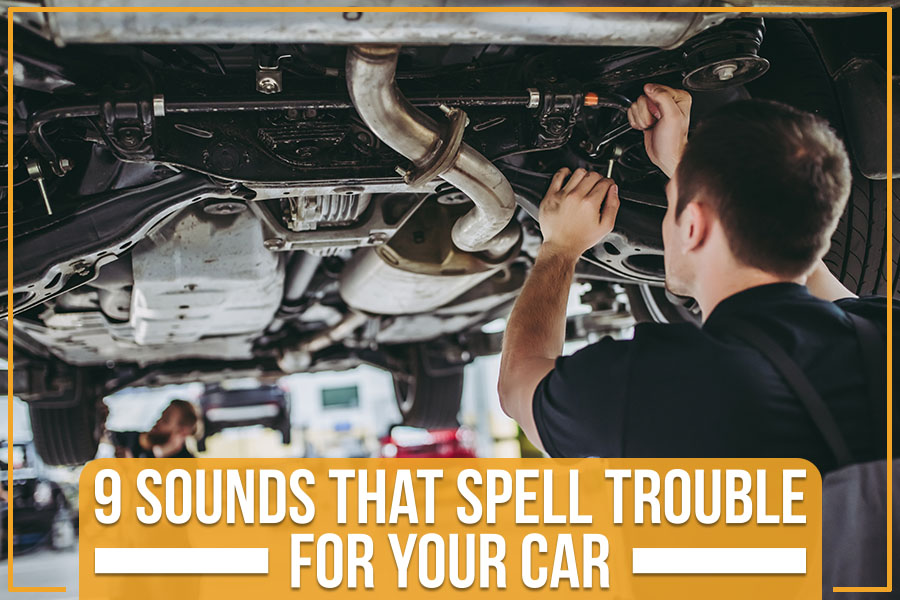
Your car is making a noise, and you’re not sure what it means. You might be wondering, “Is this something serious?” Most people probably don’t know what all of these car sounds mean. There are a lot of weird and potentially dangerous sounds your vehicle can make that you may not even be aware of. Vann York Chevrolet Buick GMC will discuss the most common ones. If your car makes any of these noises, you must immediately take it in for a check-up at your local mechanic!
Different Car Noises And Their Meaning
You’re driving down the road and hearing a strange car noise. You can’t quite place it, but it’s not something you’ve heard before. What is it? And more importantly, is it something serious?
Here are the most common sounds your car might be making and what they could mean:
1. Loud Screeching Sound
You’re driving along when you hear a loud screeching sound. It’s so loud and unexpected that it makes you jump out of your seat. If this happens, it’s a clear sign that your brake pads must be replaced.
Brake noises can be an indication of a variety of problems, and they usually signal that your brakes need to be serviced. Built-in wear indicators in your brake pads are generally the source of high-pitch car noises, so you may require to change the pad. The scraping sound at the bottom could indicate that your brake pads have almost completely worn away, with the caliper grinding against the rotor. In any case, you’ll have to get new brakes as soon as possible.
2. Grinding Noise
A grinding noise when you shift gears is never a good sign. It could mean that your clutch is worn out or something is wrong with your transmission. It could be a severe problem, so it’s best to get it checked out by a local mechanic as soon as possible.
3. Humming Sound
The strange humming sound from under the hood might be due to a problem with your alternator belt. A loose belt can lead to all sorts of issues with your electrical system.
4. Clicking Noise
When you turn the steering wheel, a clicking noise could indicate that your power steering fluid is low. Clicking noise from your car’s engine could mean a problem with your fuel injectors. It should be checked out by a local mechanic, as it can cause all sorts of performance issues if left unchecked.
Your engine requires the correct proportion of fuel and air and a functioning spark plug to create the ignition. If any of these components is deficient, it may cause the rumble noises you experience at low RPMs.
5. Rumbling Sound
The problem might be with your fuel injectors if the car is rumbling and not running smoothly. A grime build-up can prevent the right amount of fuel from being delivered to the mixture. Occasionally, a commercial cleaning solution to your gas tank will clear this up. Another potential cause for oxygen deprivation could be a blocked air filter needing replacing. If it’s neither of these, it may be that the oxygen sensor needs changing as it might not be detecting correctly, resulting in an incorrect mix ratio.
In short, old or faulty spark plugs can be the source of your engine’s problems. If the spark plugs are not firing as required, it will cause imbalanced combustion in your machine, which results in a muffled noise. Usually, it is advised to change out your spark plugs every 30-40 thousand miles; however, you should always check your owner’s manual for detailed instructions specific to your car.
6. Rattling Noise
If you’re hearing a faint rattling noise, it might mean that there’s something loose in your engine. It could be bad bushings. Bushings are suspension system components usually made of rubber or another synthetic that work to cushion the different parts, reduce friction, and stop vibrations. Unfortunately, like most car parts made of rubber, these can break down and become brittle over time. A rattling sound could also signify that the sway bar links are damaged or that the struts, shocks, or ball joints need to be replaced.
It might be challenging to pinpoint a sound when you’re in the car, so performing a bounce test at home can be helpful. Press firmly on the front corner of the automobile and listen for the noise while it’s parked. It may not tell you which bushing needs to be changed, but it will confirm that your suspension is causing the rattling. Ideally, this should not make any rattling or knocking sound. Therefore if your test always produces noisy results, it’s time to visit the local mechanic.
7. Banging Noise
If you’re hearing a loud banging noise, it’s probably an indication that something is seriously wrong with your engine. It is a case where you should take your car to the nearest service station and have them take a look.
8. Clucking Noise
Clucking noises from your car’s engine could mean your oil level is low, so you should check it as soon as possible. If the oil level is accurate, then the problem might be with your oil pump. There could also be a severe problem with valves, connecting rods, or pistons.
9. Hissing Noise
A hissing noise could mean a leak in your radiator hose. Again, this is a severe problem, and you should immediately pull over and call for roadside assistance. Also, read our blog on the signs that your car’s radiator needs immediate attention.
There are some other car noises also that spell trouble. Click here to learn more.
Need Car Repair and Maintenance Services in Winston Salem, NC? No Problem!
If you’re noticing strange noises or problems with your car, contact Vann York Chevrolet Buick GMC, serving Winston Salem, NC. We’ll be happy to help diagnose the issue and fix it as quickly as possible. Plus, our service department is staffed by certified technicians who know Chevrolet, Buick, and GMC vehicles inside and out. So, we can take care of whether you need an oil change or a new transmission.
Schedule your service appointment today, and let us show you what quality automotive care is all about. Thanks for reading!
7 Essential Tips On Trading In Your Used Vehicle

Are you out car-buying in the market for a new vehicle? If so, have you given any idea about trading in your old one? While it may seem like a pretty easy way to get a new car, there are some things you should do before you go through with auto trade-ins.
In this blog post, Vann York Chevrolet Buick GMC will give you a few tips on what to do before trading in your used vehicle. So, keep reading whether you’re thinking about trading in your current car or just curious about what needs to be done!
Tip 1: Get an Estimate of Your Car’s Trade-In Value
The first thing you should do before trading in your car is to get an estimate of its trade-in value. That can be easily done by researching the make and model online or taking it to a few different dealerships. Once you’ve got an all-around idea of what your car is worth, you can negotiate with the dealer.
Tip 2: Gather All the Necessary Documents
Before you trade in your car, make sure you have all the necessary documents. This includes things like your registration, title, and insurance information. Without these items, the dealership may not be able to process your trade-in.
Tip 3: Clean Up Your Car Thoroughly
This one is important – you want to ensure your car is presentable before you trade it in. This means giving it a good wash and vacuum, inside and out. You may even want to bring a few air fresheners to mask lingering smells.
Tip 4: Fix Small Issues Yourself
If your car has any small problems, like a cracked windshield or burned-out headlight, fix them before you trade it in. These issues can lower your car’s value, so it’s best to take care of them beforehand.
Tip 5: Don’t Forget to Bring the Extras
Bring along any extras that came with your car, like floor mats or a spare tire. You can remove them and keep them for your next car if you have aftermarket additions, like a GPS.
Tip 6: Be Prepared to Negotiate
Remember that the dealer’s initial offer is almost always negotiable. When negotiating, be sure to focus on your car’s trade-in value rather than the new car’s sale price. With a little haggling, you should be able to get a fair price for your trade-in.
Tip 7: Know When to Walk Away
If you’re unhappy with the offer, don’t hesitate to walk away. There are plenty of dealers, and you’re bound to find one willing to give you a fair value for your ride.
By following these easy-to-follow tips, you’ll be well on your way to getting a great deal on your next car trade-in.
Vann York Chevrolet Buick GMC Can Help You Out!
Vann York Chevrolet Buick GMC, serving Greensboro, NC, is happy to help you with your car-buying needs, including trade-ins. Whether you are looking around for a new car or need some help getting rid of your old one, we’re here for you.
Schedule a service appointment if you need help getting your car ready to trade in, or check out the value of your ride right away!
7 Ways To Increase Your Car’s Gas Mileage
There’s nothing more frustrating than watching your gas gauge slowly move from full to half-full. And, as we all know, the lower that indicator goes, the more painful it is to fill up your tank. But don’t fret – there are plenty of ways to increase your car’s gas mileage and save some money at the pump.
1) Show Your Pedal Some Love – Avoid Over speeding and Braking Too Hard
We’ve all been there. You’re running late for work and floor it, only to slam on the brakes a few minutes later because the light turned red. Or maybe you’re just an aggressive driver. Either way, this style of driving is not only dangerous, but it’s also terrible for your gas mileage. Your car burns more fuel at higher speeds. So take it easy on the pedal and avoid sudden stops.
2) Keep Your Tires Inflated
This one is easy to overlook, but it can make a big difference in your gas mileage. Under-inflated tires increase drag and cause your engine to work harder, which means you’ll use more gas. Check your owner’s manual to find out what PSI your tires should be inflated to, and check them regularly, at least once a month.
3) Reduce the Weight
The car also consumes more gas with a heavier load. So if you carry unnecessary weight in your trunk or backseat, get rid of it! The same goes for any aftermarket accessories like bike racks or cargo carriers. If you don’t need it, take it off.
4) Use the AC Sparingly
Your car’s air conditioner is powered by the engine, which means using it will reduce your fuel efficiency. So on mild weather days, open the windows and enjoy the fresh air instead.
5) Use Cruise Control
If you have the technology, it doesn’t hurt to use it! Maintaining a consistent speed can improve your car’s fuel economy by up to 14 percent on the highway, so it pays off to turn on cruise control when driving on the open road.
6) Get Regular Maintenance Checks
This one is important! Ensuring your car is running smoothly and efficiently will not only improve your gas mileage but also extend your vehicle’s life. So don’t skip out on those regular oil changes and tune-ups.
7) Check the Alignment
Poor car alignment can cause your tires to wear down unevenly, which is costly to repair and increases resistance and drag on your car. This resistance will use up more fuel, so get your alignment checked if you think it might be off. Vann York Chevrolet Buick GMC is here to help you if you want to improve your Chevy’s fuel efficiency. Our team of experienced professionals knows how to get the most out of your car and can help you save at the gas pump in High Point, NC. Schedule a service today, and let us show you how easy it is to increase your car’s gas mileage!

If your car’s engine is overheating, you’re in for a world of trouble. Not only will the engine be damaged, but you could also end up stranded on the side of the road.
Follow these tips & you’ll be able to keep your car running cool all year long:
1. Pull Over
When your engine overheats, it’s important to pull over and stop as soon as possible. If you continue driving an overheated engine, it can cause expensive damage and be a safety hazard.
2. Check the Coolant Level
If you think your car might be overheating, one of the first things you should do is check the coolant level. The coolant helps keep the engine at a consistent temperature; if it’s low, it can cause the engine to overheat.
Open the hood & locate the radiator. There should be a coolant reservoir next to the radiator; if it’s empty, add more coolant.
3. Check for Head Gasket Leaks
A head gasket leak can cause the engine to overheat. To check for a head gasket leak, remove the spark plugs and look for signs of oil or coolant in the cylinders. If you see either of these fluids, it indicates a head gasket leak.
4. Check for Coolant Leaks
If your car is leaking coolant, that could be why the engine is overheating. Check for leaks by looking for wet spots under your vehicle. If you see any, your car is likely leaking coolant. You should take it to a mechanic to have the leak fixed as soon as possible.
5. Inspect the Radiator Cap
If the radiator cap is damaged, it might not be able to hold pressure, which could cause the engine to overheat. Check the radiator cap, unscrew it, and inspect it for any damage. If necessary, replace the radiator cap.
6. Check the Thermostat
The thermostat regulates the engine’s temperature; your engine may overheat if it’s not functioning correctly! To check the thermostat, remove it from the engine and place it in a pot of boiling water. If the thermostat doesn’t open, it needs to be replaced.
7. Check the Water Pump
The water pump circulates coolant through the engine. It’s important to ensure that it’s in good working condition! Remove the drive belt to locate the water pump & spin the pulley by hand. You must replace the water pump if the pulley doesn’t spin freely.
Conclusion
By following these tips, you can prevent engine overheating. And, if your engine overheats, you know how to fix the problem. Don’t forget to check your coolant level & keep an eye out for any leaks. By doing so, you can keep your engine running cool and avoid any costly repairs.
Vann York Chevrolet Buick GMC serving Greensboro, NC, is a Buick GMC dealership that fulfillsthe automotive needs of the area residents. Whether you need an oil change or get your engine checked – we do everything at our car dealership! Our knowledgeable staff provides various services for all your vehicle needs, from oil changes and engine inspections to transmission replacement.
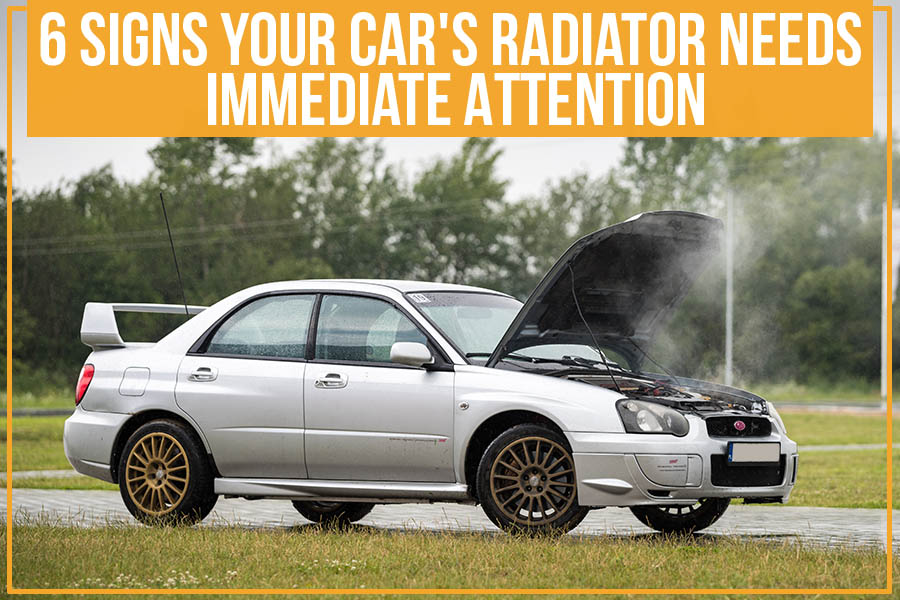
It’s not a fun experience when your car breaks down on a busy highway. And it’s not cheap to get it repaired. But if you can catch minor problems before they turn into big ones, you might be able to avoid an expensive repair bill. In this blog post, we’ll discuss six common signs that indicate potentially significant repair needs for your car’s radiator.
1) Your Car’s Overheating
This is easily the most obvious sign of engine overheating. If you notice your engine is releasing white steam, it means things are beyond control, and you need to stop instantly. Inspect coolant levels and if it’s low, refill it. Call a tow truck if that doesn’t work because your engine is kaput.
2) Leaking Coolant
If you see fluid leaks under your car, it’s likely coming from the radiator. Fluid leaks are a serious problem since your radiator is not doing its job correctly. You need to take your car to a mechanic as soon as possible because continuing to drive with a leaking radiator will only cause more damage to your engine.
3) Sludge Buildup
Sludge buildup is a common radiator issue when the coolant isn’t changed regularly. The radiator needs clean coolant to function correctly, so if there’s sludge buildup, it will reduce the radiator’s efficiency. The sludge buildup can lead to your engine overheating, so it’s essential to have the radiator flushed and filled with new coolant at least once a year.
4) Radiator Hoses Are Damaged
If the radiator hoses are cracked or leaking, they need immediate replacement. This is a relatively easy fix and one that you can do yourself if you’re handy with car repairs. However, if you’re not sure how to do it, take your car to a mechanic, and they’ll take care of the radiator damage.
5) The Temperature Gauge Climbs
If you notice the temperature gauge is rising, even if the radiator isn’t leaking, it’s a sign that there could be an issue. The gauge indicates problems as simple as a thermostat that needs replacement. However, the temperature gauge can also highlight more severe issues like a water pump failure. In any case, it’s best to take your car to a mechanic and have them check it out to be safe.
6) Radiator Showing Signs of Rust
If you see any radiator rust, it’s a sign that the radiator is starting to degrade. This can lead to radiator leaks and other problems. If you see radiator rust, get a mechanic to check your car as soon as possible.
If you notice any of these signs, don’t ignore them! Radiator damage can lead to some severe issues if left unchecked.
If you see any of the above signs, it’s time to bring your car in for a radiator service. Don’t wait until the last minute – the extensive damage can leave you stranded on the roadside. Please schedule a service appointment with Vann York Chevrolet Buick GMC serving High Point today, and our experts will fix all car radiator issues for you.
Connect with us


- February 2026
- January 2026
- December 2025
- November 2025
- October 2025
- September 2025
- August 2025
- July 2025
- June 2025
- May 2025
- April 2025
- March 2025
- February 2025
- January 2025
- December 2024
- November 2024
- October 2024
- September 2024
- August 2024
- July 2024
- May 2024
- March 2024
- December 2023
- November 2023
- October 2023
- September 2023
- August 2023
- July 2023
- June 2023
- May 2023
- April 2023
- March 2023
- February 2023
- January 2023
- December 2022
- November 2022
- October 2022
- September 2022
- August 2022
- July 2022
Archives
- Blogs
- Buick Dealer
- Buick Enclave
- Buick Envision
- Buick Envista
- Chevrolet Dealer
- Chevrolet Equinox
- Chevrolet Silverado 1500
- Chevy Blazer
- Chevy Cars
- Chevy Dealer
- Chevy Traverse
- Chevy Trax
- Envision
- EV
- GMC
- GMC Acadia
- GMC Canyon
- GMC Dealer
- GMC HUMMER EV Pickup
- GMC Sierra EV
- GMC Sierra HD
- GMC Yukon
- Hummer
- malibu
- Service
- Sierra 1500
- Sierra 2500 HD
- SUVs
- SUVs
- Trailblazer
- Trucks
- Uncategorized