




We’ve come a long way in the development of self-driving cars, and it won’t be too much longer before they become commonplace. Autonomous vehicles are set to revolutionize the way we travel, making trips safer and easier than ever before. As a car dealer, Vann York Chevrolet Buick GMC is excited to see this technology come to fruition. Here are some key facts about the development of self-driving cars:
1. Packed With Sensors and Cameras
Self-driving cars use a combination of sensors, cameras, and other technologies to detect objects around them, allowing the car to navigate through different environments without human input. With the help of a special algorithm, these sensors help the car identify obstacles and plan its route safely. The car can also tell how fast it needs to drive and when it needs to brake depending on what it’s sensing and “seeing”.
2. Autonomous Vehicles Are More Efficient
Self-driving cars use artificial intelligence (AI) to identify objects, plan routes, and navigate the roads more efficiently than a human driver would be able to do on their own. This reduces the possibility of accidents or injury, resulting in a more efficient and safer ride for everyone on the road. Autonomous cars could be the solution to traffic jams and reduce the amount of time spent commuting.
3. They’re Still Being Tested
While self-driving cars are quite advanced, just like any other piece of technology, there are still kinks to be worked out and safety tests to be done. Automakers are testing autonomous vehicles in more environments and situations to ensure that they’re as safe as possible before hitting the roads en masse. Companies such as Google and Uber have been carrying out extensive testing in various cities around the world to make sure their autonomous vehicles meet the necessary safety requirements.
4. Autonomous Cars Require Human Intervention
True, autonomous vehicles are designed to be able to drive on their own, but they still need human input when making certain decisions or navigating difficult roads. Self-driving cars cannot currently operate safely in all conditions and thus need a human driver to take over the wheel whenever necessary. This means that there’s still a need for humans in the equation and that they’re trusted to intervene when necessary.
5. The Autonomous Cars Industry Increases By 16% Each Year
The self-driving car industry is growing at an impressive rate, with annual revenue rising by 16%. This growth can be attributed to the increasing demand for autonomous vehicles, as well as technological advances that are making them safer and more efficient. Self-driving cars are expected to continue gaining in popularity and could eventually become commonplace on the roads.
6. There are 9.1 Crashes Per Milion Miles Driven
When it comes to safety, self-driving cars are actually performing better than human drivers. According to a study by the National Law Review, autonomous vehicles were involved in 9.1 accidents per million miles driven and these accidents are not severe in most cases. Also, most of the cases are autonomous cars being bumped into from the rear.
7. Only 12% of Americans Feel Safe in Self Driving Cars
The same survey reveals that only 12% of Americans feel safe enough to ride in an autonomous vehicle. Despite all the advancements in the industry, some people remain skeptical and hesitant to let go of control. Companies and governments need to continue educating the public on the safety of autonomous vehicles before they can become truly mainstream.
8. There are 6 Levels Of Autonomous Driving
A self-driving car is classified according to the level of autonomy it has. Regular people often don’t care about these levels, but they are important to understand. The five levels range from Level 0 (no automation, the driver does 100% of the driving) to Level 5 (100% automation, the car driving itself in all circumstances). As of now, most cars on the road are somewhere in the middle and manufacturers are working on increasing the level of automation as time goes by.
9. Autonomous Cars Are Becoming More Affordable
Due to lower production costs and increased competition, self-driving cars are becoming more affordable than ever before. This means that they could soon become a viable option for many people who would never have been able to afford them in the past. Over time, autonomous car prices are expected to go down even further as technology and production processes become more efficient.
10. More Than 40 States Legislating Autonomous Cars
Forbes has reported that more than 40 US states are legislating laws related to self-driving cars. With this trend, it is expected that autonomous cars will become more and more common in the near future. This could lead to a significant reduction in traffic accidents due to the increased safety of self-driving vehicles. The regulations may vary from state to state but they all aim at encouraging the development and use of autonomous vehicles while ensuring public safety.
Buy Your Dream Car With Vann York Chevrolet Buick GMC in High Point, NC
These are just some of the facts about autonomous cars that everyone should know before making an informed decision about purchasing one. Autonomous vehicles are becoming increasingly popular and it’s important to understand their implications to make the right choice for your needs. With more regulations in place, we can expect to see self-driving cars become even more widespread soon. At Vann York Chevrolet Buick GMC, we can help you find your dream car no matter what kind of vehicle you are looking for. We have a wide selection of reliable and affordable vehicles that will fit into any budget. Visit us today and let our team help you.

At Vann York Chevrolet Buick GMC, we don’t just love it when you buy a car with us, we also care about your safety on the roads. Data shows that Car accidents are the fifth-leading cause of death in the United States. That’s why we encourage motorists to acquire defensive driving skills to reduce the possibility of an accident. Any time you’re behind the wheel, the safety of yourself and others should be a priority. Here are some of the essential defensive driving tips you should know:
1. Don’t Trust Other Drivers
You should assume that everyone else on the road is a reckless driver but you. Don’t trust anyone to make the right decision. Doing this ensures that you always stay alert and drive defensively. Keep your distance from drivers who may be distracted; this gives you more time to react if they make an unexpected move.
2. Buckle Up All the Time
Seat Belts are designed to protect you and your passengers from serious injuries. No matter how short the ride is, make sure everyone in your car is always wearing their seatbelt. This will help keep everybody safe if an accident occurs.
3. Stay (100%) Focused on the Road
Take measures to minimize distractions while driving. Put away phones, turn off the stereo, and let your passengers know to be quiet while you’re driving. If there is anything that can take your attention away from the road, get rid of it.
4. Follow All the Traffic Laws
Are you an experienced driver? Don’t use this as an excuse to break traffic laws. Instead, look out for other drivers who may not know all the rules of the road. Stop on red, follow speed limits, and practice courtesy in all traffic situations.
5. Yield When in Doubt
When approaching an intersection, you should always yield to any vehicles that have the right of way. Even when you think you have the right of way, look around and be sure that no one is close by. It’s better to be safe and waste a few minutes on the road than be caught up in a collision.
6. Communicate to Other Drivers With Your Lights
Your car has indicators for a reason. Use them properly when turning, and be sure to use your bright lights at night so other drivers can see you better. This is especially important during inclement weather or when visibility is poor. You should also flash your headlights to signal other drivers if it’s safe to pass or not in certain situations.
7. Avoid Tailgating
Tailgating is dangerous for both the driver and other vehicles on the road. Not only does it restrict your vision, but it also prevents you from reacting quickly to any obstacles that may come up unexpectedly. If someone else is tailgating you, move out of their way as soon as possible or reduce your speed until they drive away.
8. Never Drink and Drive
Drinking and driving is a serious offense that can result in costly fines, license suspension, and even jail time. Save yourself the hassle and never mix alcohol with behind-the-wheel activities. Even if you don’t feel impaired, it’s best to err on the side of caution by avoiding alcoholic beverages prior to driving.
9. Keep a Steady Speed
Varying your speed, especially when driving on highways, can be dangerous not only to yourself but also to other drivers. Sticking to the speed limit is a good idea, and it also helps you save gas since driving at constant speeds is more fuel efficient than accelerating and braking. If you find that you’re in a hurry, look for alternate routes that have fewer stoplights and red lights to help you reach your destination faster.
10. Make Use of Safety Gadgets
Many vehicles come with a variety of safety features, such as blind spot detection and lane departure warning systems. Take advantage of these features to help you remain aware of your surroundings even when it’s difficult to keep an eye out for everything. Additionally, make sure that your vehicle is equipped with airbags and ABS brakes so you can be sure to drive as safely as possible.
11. Monitor Blind Spots
Blind spots can be difficult to detect, so make sure you’re constantly checking your mirrors and doing head checks before changing lanes. Be aware of other vehicles on the road and try to leave plenty of room between you and the car in front of you.
12. Prepare for Weather Conditions
When driving during inclement weather, make sure to use appropriate caution. Slow down and be aware of ice patches, slippery roads, and low visibility. Keep your headlights on so other drivers can more easily see you and take extra care when turning or braking.
13. Anticipate Problems Before They Happen
One of the most important defensive driving techniques is to anticipate potential problems before they arise. Always be alert and aware of your surroundings and look for hazards such as construction, curves in the road, or animals that could cause you to swerve. Being able to predict problems can help you avoid them altogether.
14. Maintain Your Car
Keep your car in proper working order at all times and make sure to get regular maintenance done. This can help you avoid potential dangers on the road, such as brake malfunctions or flat tires. Make sure your headlights, taillights, brake lights, and signals are functioning properly as well.
Service Your Car With Vann York Chevrolet Buick GMC
No doubt regular car maintenance is vital when it comes to safety on the road. At Vann York Chevrolet Buick GMC, we are committed to providing quality automotive service that you can trust. From oil changes and brake replacements to engine repairs and fluid flushes, our experienced technicians are dedicated to keeping your car running in optimal condition. Schedule an appointment today for your next scheduled service or repair.

Key Takeaways
In this post, we discuss 10 key points to consider before investing in an electric car. Here’s a quick highlight of what you can expect:
- You have the option of buying a new or used EV
- You can choose different EV types
- Buy or lease
- Consider the charging time and range
- Charge at home or in a public station
- Consider maintenance and repairs
- Think about tax credits and incentives
- Beware of the insurance costs
- Understand the warranty
We live in a world where electric cars are becoming increasingly popular. While they offer several advantages over traditional petrol-powered vehicles, they also come with their own set of challenges and considerations. Before you buy an electric car, understand how they work and what the associated costs are.
Here are 10 things that you should know before making the switch to an electric car:
1. Get a New or Used EV
The electric car market is growing rapidly and there are a variety of options to choose from—including both new and used electric cars. Depending on your budget, you can find an EV that meets your needs and fits within your price range. The key is to do your research and make sure you have a full understanding of the vehicle before you buy.
2. Choose Among the Different Types
There are a few different types of electric cars available for purchase, including plug-in hybrids, extended-range EVs, and fully electric vehicles. A plug-in hybrid combines a gasoline engine and an electric motor to provide power, while an extended-range EV can run on electricity until the battery is exhausted and then switch over to a gasoline engine. A fully electric vehicle runs solely on electricity, which means no trips to the gas station. Knowing the difference between these types can help you make an informed decision about which type is right for you.
3. Buy or Lease?
When buying an electric car, it’s important to consider whether buying or leasing is the best option. Buying a car will give you more control over maintenance, repairs, and customization options, but leasing can be cheaper and there are often special incentives for doing so. Additionally, some manufacturers offer subscription services that allow you to rent their vehicles for short periods of time.
4. Charging Time and Range
Charge times and vehicle range are two of the most important factors when considering an electric car. Different models have different charging times, ranging from as little as 15 minutes to up to several hours. You need to choose according to your lifestyle needs. You should also look into the vehicle’s range, which is the maximum distance it can travel on a single charge. Use your individual driving needs to determine which range is best for you. Then make sure you check the manufacturer’s website for information about the specific model you’re considering.
5. Home Charging
Having a home charger is the most convenient way to charge your electric vehicle. Most cars come with one, but you should double-check if it’s included in the purchase price or not. If you don’t already have a charger at home, consider the installation cost and how much electricity it will use before deciding whether this is the right option for you.
6. Public Charging
If you don’t have access to a home charger, you can use public charging stations across the country. Before buying an electric car, make sure that there are enough publicly available charging stations in your area to charge your car when needed. Many companies offer subscription-based charging plans that can help you save money on public charging fees.
7. Maintenance and Repairs
Electric cars require less maintenance than traditional gas-powered vehicles, which means they can be more economical in the long run. However, they do require more specialized knowledge when it comes to repairs and service due to their complex nature. So, it’s important to be aware of the cost of maintenance and repair for your electric car.
8. Tax Credits and Incentives
Many governments around the world offer tax credits and other incentives to those who purchase electric cars. This helps encourage the adoption of electric vehicles and can significantly reduce the cost of ownership. It’s important to research what incentives are available in your area before you make a purchase.
9. Insurance Costs
Insurance costs for electric cars may be higher than they are for traditional cars. This is because electric vehicles are still relatively new, and their repair and replacement are costlier than regular cars. It is important to research insurance costs before you purchase a vehicle so that you know what to expect in terms of payments.
10. Warranty
When purchasing an electric car, it’s important to understand the warranty that comes with the vehicle. Most cars come with a comprehensive coverage plan that covers all major components of the vehicle. Read through any warranties or service contracts carefully before purchasing so that you know what to expect if something goes wrong with your car. Also, ask the dealership or manufacturer about extended warranties that can provide additional coverage. This way, you are better protected if something were to go wrong with your new electric car.
Buy The Car of Your Dreams With Vann York Chevrolet Buick GMC
By doing your research and understanding these ten key points before making an electric car purchase, you can ensure that you make the right decision for yourself and your budget. At Vann York Chevrolet Buick GMC, we offer a variety of new and pre-owned electric cars that are perfect for your lifestyle. Our knowledgeable sales team can help answer any questions you may have and guide you through the purchase process. Contact us today to get started on buying the car of your dreams!

Cars are complex machines that require regular maintenance to keep them running smoothly and safely. A car service is the health check of your car; it involves checking the vehicle’s brakes and suspension, oil, coolant, air conditioning systems, and about 50 other components.
A good car service should include a thorough inspection by an experienced mechanic who can diagnose any potential and present issues with the vehicle. During this service, a variety of checks are carried out which involve measuring parts for wear and tear, and inspecting each component for damage or malfunctioning.
Why Do I Need a Car Service?
Your car needs regular maintenance to keep it in top condition and running for years to come. A car service is critical for the health of your vehicle, as it helps identify any potential issues before they become expensive repairs or cause accidents. It also keeps the vehicle’s resale value high and will help you pass inspections whenever needed.
With good service, you’ll be able to catch any problems early on and get repairs done before they lead to bigger issues. This way, you save yourself a lot of money you’d spend on repairs and avoid frustration in the long run.
What Does a Car Service Entail
What’s included in a car service depends on what the car owner needs. Here are the choices you should consider if you plan to contact a mechanic for a car service:
Full Service
This is a comprehensive car service that covers all major checks and repairs. It includes checking the engine oil, coolant, brakes, suspension, tires, transmission fluid, and more. A trained and certified mechanic will inspect all parts of the car, make sure they are working properly, and replace any worn-out parts. Manufacturers recommend a full service at least once a year, but you may want to do it more frequently if your car is exposed to harsh conditions or whenever it covers 12,000 miles.
Interim Service
This type of service focuses on general maintenance and is recommended for cars that have driven 6,000 miles or for 6 months, whichever comes first. An interim car service will check the brakes, engine oil, and coolant levels, as well as inspect the tire pressure, steering fluid level, suspension system, and other parts of the vehicle. It’s usually a cheaper option than a full service but it still provides a great way to catch any problems early before they become more serious.
Regular Maintenance
Regular service involves replacing or cleaning filters and oil changes. As a driver, you should monitor the behavior of your vehicle and the warning lights that come up on the dashboard. If you have a car with more than 30,000 miles, it is recommended to get an oil change every 3 months or 3,000 miles whichever comes first. Other maintenance includes checking the wiper blades, and windshield washer fluid levels and replacing them as necessary. You should also have the spark plugs, air filters, and brakes checked by a professional mechanic.
Manufacturer Service
High-end car models need specific care and maintenance that a regular mechanic might not be able to provide. As such, manufacturers of high-end cars provide factory service centers or contract with specific private garages to ensure that the car can get proper maintenance. The manufacturer service center provides specific parts and trained mechanics who know how to work on the car. They use tools specific to the make, model, and year of your vehicle, so they are better able to diagnose problems and replace parts.
Is a Full Car Service Worth it?
A full car service is worth getting if you want to keep your car in tip-top shape for years to come. By having a comprehensive check of the car’s components, you’ll be able to detect any issues early on and prevent more serious damage from occurring down the line. A full service may also help reduce emissions which can be beneficial for the environment. If you plan to sell your car in the future, a full service gives potential buyers peace of mind by showing them that you’ve taken extra steps to keep the vehicle running well.
What Should You Look for in a Car Service?
When considering a car service, it’s important to look for a reliable and experienced mechanic. Make sure they use quality parts, as this will help ensure the longevity of your parts and save you money in the long run. Also, be sure to get a detailed report of what was done during the service so you can keep track of exactly which parts were inspected and repaired or replaced.
Not all car service providers are the same, so it’s important to research the company and read reviews online. Try to find out what type of service they specialize in (e.g., oil changes, brake repairs, etc.) and contact them directly if you have any questions. Additionally, make sure to ask about their warranty policy – many companies provide additional coverage beyond the manufacturer’s warranty.
Contact Vann York Chevrolet Buick GMC for the Best Car Service in High Point, NC
Your vehicle is an important part of your life – and keeping it in good condition requires regular maintenance. At Vann York Chevrolet Buick GMC, our highly-trained technicians provide comprehensive car service that will keep your vehicle running smoothly and safely on the roads. We provide a wide range of services, including oil changes, brake inspections, tire rotations, engine checks, and more. We also offer a wide selection of OEM parts, so you can trust that your car will be serviced with quality components designed specifically for your make and model. Our goal is to make sure you stay safe on the roads, and enjoy many miles in your vehicle for years to come. Give us a call today to schedule an appointment.

In July 2019, a woman in Wisconsin made headlines when her newly bought car burst into flames just 22 minutes after she drove it off the lot. This shocking story serves as an important reminder of the importance of being mindful and thorough when buying a car. So what happened to this unfortunate woman?
What Went Wrong?
From our experience as a car dealership, chances are that it all started with her decision to purchase the vehicle on impulse without doing any or enough research. Because of this, she likely didn’t have a full understanding of the vehicle, its condition, or any underlying issues that may have been present.
We can also assume that no Pre-Purchase Inspection (PPI) was completed before signing on the dotted line. This is an essential step for any potential car buyer to take as it helps identify any potential problems with the vehicle and provides peace of mind that what you’re buying is in good condition.
Also, she might have been swayed by the salesperson’s persuasive tactics and ended up paying thousands more than necessary for a car that ultimately wasn’t in working order.
The Major Mistake
The woman soon discovered that she had made a major mistake—the car was not insured before she could drive it off the lot. This shows the failure to budget for the car and make sure that insurance is in place before buying. She said she couldn’t afford insurance. This means if any damage or breakdown occurred, she would be responsible for all repairs and costs associated with them. Not only did this woman suffer from buyer’s remorse when the car burst into flames, but also had to pay thousands of dollars for a vehicle that became inoperable after 22 minutes.
After haggling with the dealership, the story has it that the woman eventually received a full refund. Though this provides some comfort to her situation, it may not apply to other buyers in the same situation. Here are some tips for avoiding buyer’s remorse when purchasing a car:
How to Avoid Buyer’s Remorse When You Buy a Car
Fortunately, there are ways to avoid this kind of situation and ensure that you don’t experience buyer’s remorse when buying a car. Here are ways to avoid buyer remorse:
Budget Beforehand
Your budget should be the first thing you establish before you even begin thinking about buying a car. This will help ensure that you don’t overspend and end up with a vehicle that is too expensive for your current financial situation. Make sure you factor in insurance, fuel costs, and any other associated expenses before you make a purchase.
Research Your Need
Before taking the plunge, it’s essential to do all the necessary research and be aware of any potential problems associated with the make and model you are considering. This includes reading reviews online and checking the vehicle history report or Carfax. Additionally, find forums for your make and model, as this is a great way to hear from current owners about any potential issues.
Get the Vehicle Inspected
Before you buy the car, make sure to have it thoroughly inspected by a qualified mechanic. Have them check all the components of the vehicle, including brakes, tires, transmission, engine, and electrical systems. This can help uncover any potential problems and provide you with peace of mind when making the purchase.
Shop Around for Financing
When you’re looking to finance a car, it’s important to shop around for the best rates available. If possible, bring your own financing from a bank or credit union instead of opting for dealer financing which can often come with higher interest rates. This will help you save money in the long run and avoid getting into debt that you might not be able to pay off.
Review All Documentation
When buying a car, make sure to review all of the documentation before signing anything. Make sure you understand what’s included in the purchase and if there are any hidden fees or extra costs that you’ll need to pay. This will help you avoid buyer’s remorse and make sure that you know exactly what you’re getting for your money.
Check the Vehicle History Report
Before buying a car, it’s important to check the vehicle history report which can tell you if there have been any major repairs or issues with the car in the past. This can be a great way to avoid buyer’s remorse and make sure that you’re getting a reliable car.
Ask Questions
When you’re buying a car, it’s important to ask questions so that you can make an informed decision. Ask the salesperson about any warranties or guarantees that come with the car and make sure to get all of your questions answered before signing on the dotted line.
Consider the Hidden Costs
In addition to the sticker price of the car, you also have to consider any other costs associated with it. This may include taxes, registration fees, insurance, and maintenance. Make sure that you take all these costs into account before making a purchase.
Do a Test Drive
It’s critical to do a test drive before buying a car. This will help you determine if the car is in good shape and if it matches your driving needs. Take your time on the test drive and notice any signs of wear or tear that may need to be fixed before you commit to buying the vehicle.
Buy the Perfect Car For Your Needs With Vann York Chevrolet Buick GMC
Buying a car soon? When you shop at Vann York Chevrolet Buick GMC, you can be sure that you’ll get the perfect car for your needs. Our knowledgeable staff will help you find the right vehicle within your budget and make sure it meets all of your requirements. Plus, we offer special deals on their cars to save you money. With Vann York Chevrolet Buick GMC, you can rest assured that you will find the perfect car for your lifestyle and avoid buyer’s remorse. Reach out today and let us help you find your dream car.
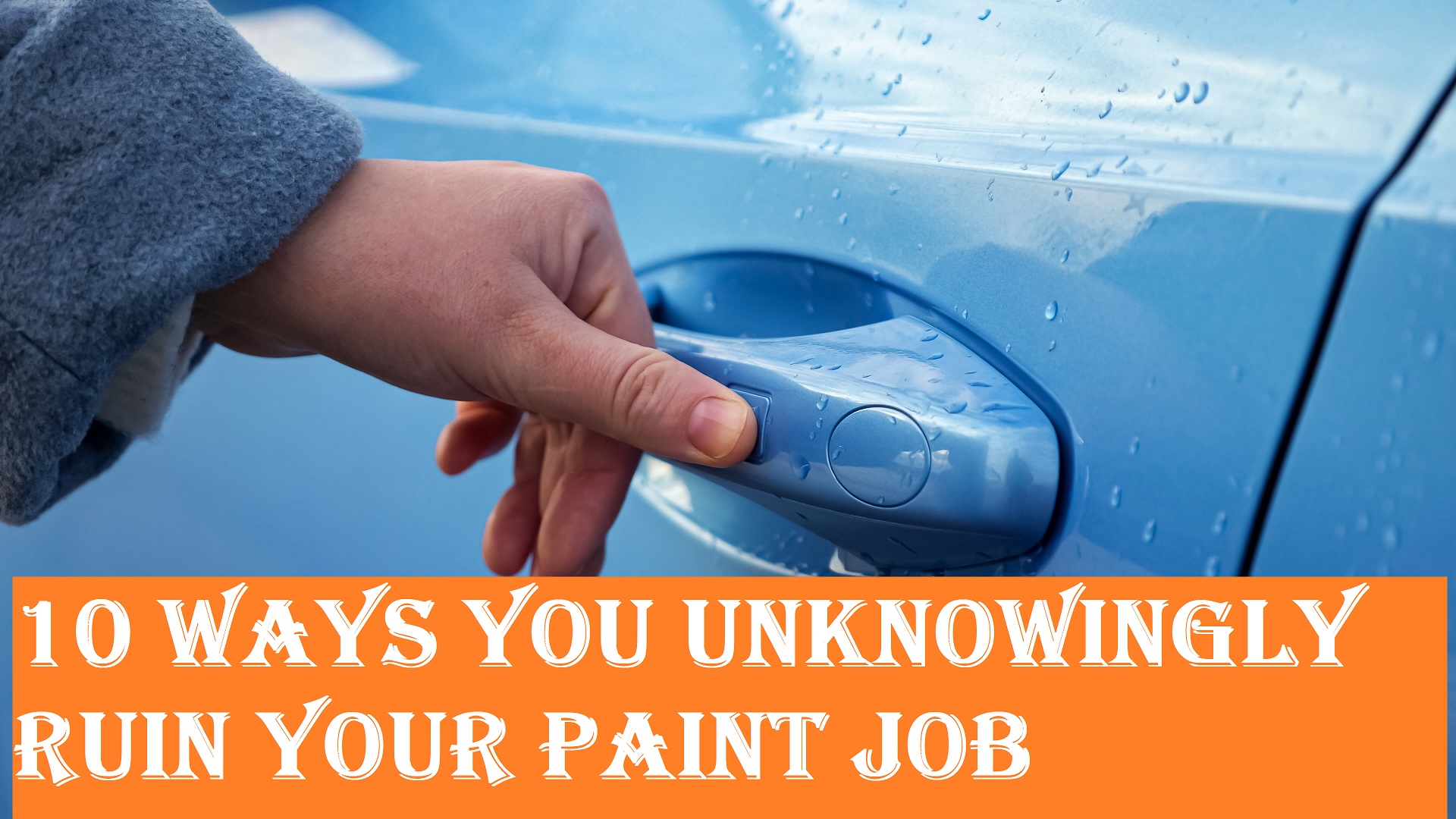
As a dealership that cares about our customers and their vehicles, we want to make sure you are educated on the proper care of your car. Unfortunately, many drivers are unknowingly damaging their vehicle’s paintwork simply from everyday activities. This could be you.
Continue reading this post to learn 10 ways you might be ruining your car’s paint job without even knowing it:
1. Fingerprints and Smudges:
Fingers are oily, so when you touch your car’s paintwork it leaves a noticeable mark. This mark can be engraved into the paint, ruining its shine for a long time. To avoid this, try to keep your hands clean and away from your car’s exterior. If you’ve already put finger marks on your car, you should give your paintwork a thorough wash. If this doesn’t address the issue, quality polish service will be your next option.
2. Stone Chips:
When stones and other objects hit your car, they can chip the paint. The extent of damage depends on the size and angle of impact. Small shallow chips won’t cause too much harm, but deeper chips can easily cause rust and corrosion. This requires specialist attention like a respray or touch-up job. You want to avoid bad roads and drive as safely as possible to reduce the risk of your car being affected by stone chips. Often, stone chips are inevitable, so what you want to do is to address any scratches the moment you notice them.
3. Bird Droppings:
Bird droppings can leave permanent marks on your car’s paintwork. If left too long, the acid in them corrodes the paint which then causes a lot of damage. The best way to protect your vehicle is to rinse the droppings off as soon as possible. Make sure to use a soft cloth, so that you don’t scratch the paintwork further. You may also want to consider applying a protective coating if your car is regularly exposed to birds.
4. Dead Bugs:
Dead bugs can leave stains on your car’s paintwork if not washed off quickly. If left too long, the acidic residue from the remains of the insects will corrode and damage your vehicle. Make sure to clean off any dead bugs as soon as you can with an appropriate cleaning product designed for car paintwork.
5. RainWater
Another common offender of paintwork damage is water spots – commonly from rain. It is important to remember that water contains minerals that can leave behind stains and blemishes if left to sit on the surface. As such, it is important to wash your car regularly, especially after a heavy downpour, to remove any contaminants that may be present in the water. You may also want to invest in a wax or sealant product to help protect your paintwork from water damage.
6. Tree Sap
Tree sap can not only discolor your car’s paint, but it can also corrode and etch into its surface due to its high sugar content. To remove tree sap safely, use a non-abrasive cleaning solution and a microfiber cloth. You may need to use some elbow grease, but it should come off without leaving any unsightly marks or blemishes.
7. Failing to Wash Regularly
Leaving your car uncleaned for a long period can cause dirt, debris, and bird droppings to accumulate on its surface. This won’t just make it look unsightly, but it can also damage the paintwork if left untreated. It’s best to wash your car at least once every two weeks to keep it looking its best and to prevent any damage from occurring. Of course, this depends on how dirty the car is. Make sure you use a pH-neutral car shampoo to ensure that the paintwork isn’t stripped or scratched by harsh chemicals.
8. Using Subpar Cleaning Materials
When it comes to cleaning your car, you should never skimp on the materials and products used. Cheap sponges, cheap mitts, and other materials may seem like a good idea when you’re trying to save a few dollars, but they can cause major damage to the paint. You should always use clean microfiber towels or soft lambswool mitts to protect your car’s paintwork from scratches and other damage.
9. Fuel Stains
Fuel stains can be especially damaging to car paint, as fuel is full of chemicals that can strip away layers of paint. To avoid this issue, always make sure you take the time to clean any spills immediately after they occur. Use a soft cloth and some warm soapy water to gently clean up the mess, then rinse it with plain water.
10. Parking in Direct Sunshine
Exposure to direct sunshine can cause your car’s paint to fade and become discolored. To prevent this, you should always park in a shady area or use a car cover when your vehicle is not in use. This will help protect it from the sun’s harsh rays and keep its color looking vibrant for years to come.
Looking to Service Your Car? Contact The Pros at Vann York Chevrolet Buick GMC
It’s important to take care of your car from the inside out to help it serve you for many years to come. If you want to give it an extra boost or need help finding a reliable service provider, contact the pros at Vann York Chevrolet Buick GMC. We have years of experience servicing cars and can provide you with quality car repair services. Reach out to our team today for an estimate or to learn more about how we can help keep your vehicle looking its best!
How Not To Get Scammed As a First-Time Car Buyer
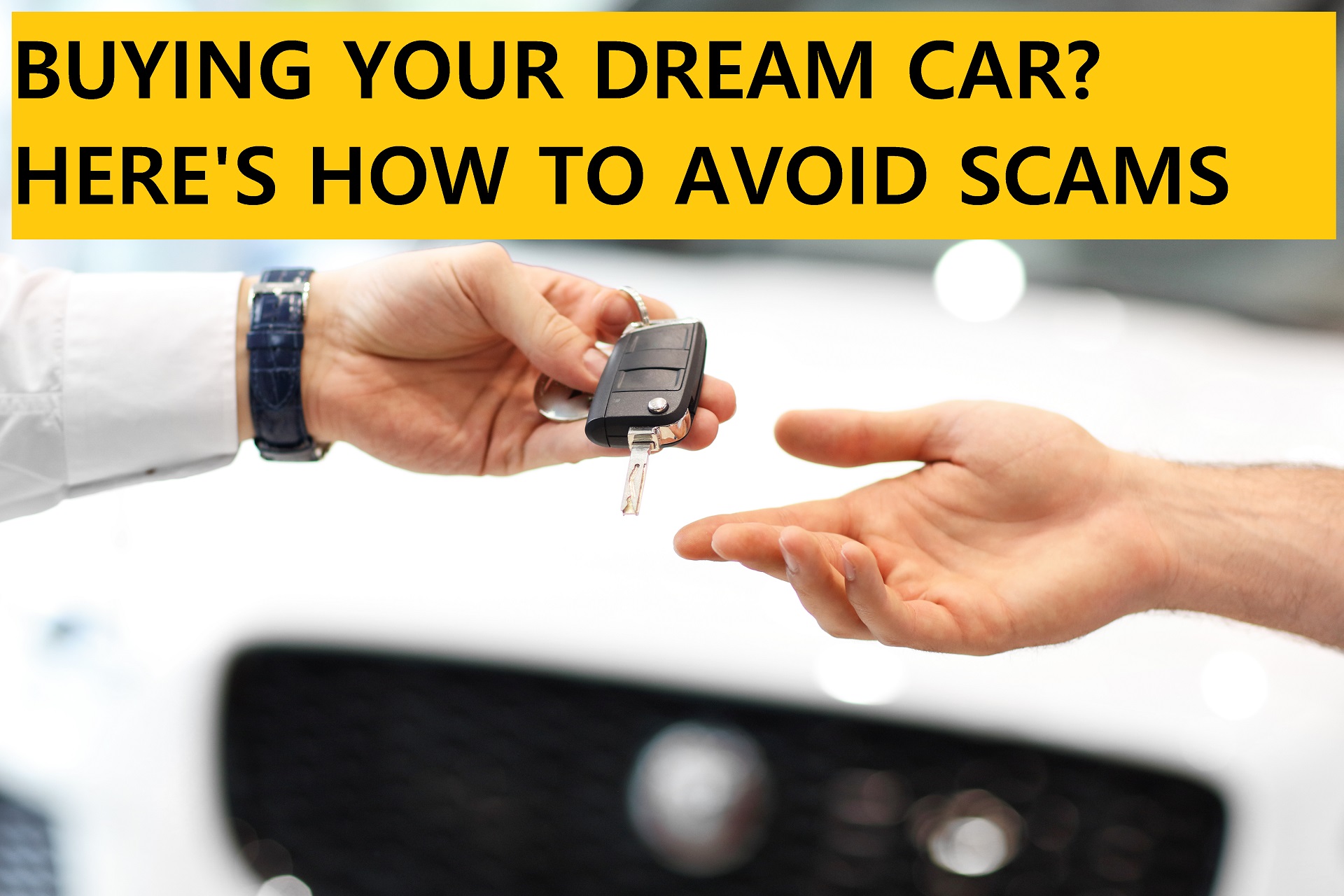
Like any other industry, the car buying and selling industry is not short of dishonest sellers. As a first-time car buyer, it is essential to be aware of the opportunities to be scammed and how to avoid them. You should know what to look for and how to assess the condition of the vehicle you want. Here are some tips for avoiding getting scammed as a first-time car buyer.
Be Careful When the Deal is Too Good to Be True:
When it comes to buying a car, if the deal seems too good to be true, then it probably is. Don’t get taken in by unrealistic offers or discounts that are too good to be true. It’s important to be aware of what the average market price for similar models is and shop around for the best deal. Go into the market prepared to pay a fair price for the car you love.
Check out the Vehicle’s History:
It is important to know where the car has been and what repairs it has had. Ask to see the vehicle’s title, registration, and maintenance history as well as any service records that can verify its condition. Knowing if a car has been in an accident or not is important when deciding how much you are going to pay for it. Ensure that all documents are complete and up-to-date.
Take Your Time
Scammers want to get your money as soon as possible, but don’t let them rush you. Take your time to properly evaluate the car and research it. Don’t make any quick decisions – take a few days to think about it if need be. Ensure that you feel comfortable with the purchase before signing any contract.
Reverse Search the Provided Images
Before you visit a used car for sale, the seller will usually provide some images. Run these images through an online reverse search engine to make sure that they have not been taken from another website or advertisement. This will help to ensure that you’re not being scammed by someone using stock photos to deceive buyers.
Inspect the Vehicle in Person:
It’s important to inspect the vehicle in person and not just rely on pictures or descriptions provided by the seller. This is especially true when buying a used car, as you want to make sure it’s been well-maintained and has no underlying issues. Make sure to bring a friend or family member with you who has experience in car maintenance and can help identify any potential issues.
When looking at the vehicle, check for signs of rust, dents, scratches, or areas that may have been repaired. Also look for evidence of smoke, odors, water damage, or condensation within the interior. Examine the tires and brakes too – look for cracks, bulges, or uneven wear.
Take a Drive
Test drive the car to check how it handles on the road. During this time, pay close attention to any unusual sounds coming from the engine or transmission when accelerating, decelerating, and turning corners. Also be sure to try out all of the features such as the air conditioning, power windows, and radio. Finally, check that all of the safety features such as the seat belts and airbags are in working order.
Check the VIN
The VIN (Vehicle Identification Number) contains information about the car’s history, such as ownership and any accidents it may have been in. You can find the VIN usually on the inside of the driver’s side door jamb or under the hood. If the VIN on the door doesn’t match the one on the windshield, it could be a sign that the car was in an accident.
Know If There are Liens
If you do a VIN search with the National Insurance Crime Bureau, it will tell you if there are any liens on the vehicle. Liens mean that the previous owner still has not paid off the debt and therefore is not allowed to sell it. If this is the case, make sure that all of the paperwork is in order before continuing with the purchase.
Know the Salesmen’s Tricks
When buying a car, be aware of the sales tactics. Salesmen can try to pressure you into buying things that are not necessary or charge extra fees as add-ons. One trick you may encounter is a salesperson having you sit around for a few hours as they “try to talk to their manager to get you a better deal”. This is just a ploy to make you feel as if they are doing something for you. Be aware of any tactics being used and exercise your right to walk away if you don’t feel right about what’s going on at the dealership.
Read and Understand the Paperwork
Always remember to read all of the paperwork and ask questions before signing anything. Make sure you understand all of the fees and interest rates that are associated with the car before laying down any money. You should also be aware of any additional warranties or protection plans being offered, as well as what they actually cover. Many dealers will try to charge extra for these plans, so make sure you’re getting a good deal before signing up.
Buy Your Dream Car With Vann York Chevrolet Buick GMC
You want to have a reliable partner when buying a car. Vann York Chevrolet Buick GMC is the place to go. We offer an impressive selection of new and used cars, trucks, SUVs, and vans with financing options designed to fit your budget. If you’re in North Carolina, come visit us today and let our team help you find the car of your dreams. We also offer certified pre-owned vehicles with extended warranties, giving you peace of mind that your purchase is protected. Stop by Vann York Chevrolet Buick GMC today or give us a call – we look forward to helping you get the car of your dreams!
We Burst 10 Myths About Driving You Might Believe

You’ve probably heard some common myths about driving that many people believe to be true. Some are ridiculous, while others have a bit of truth to them. We decided to investigate the truth behind these claims, and what we found may surprise you.
Here are 10 myths about driving that we uncovered.
Myth 1: It’s Illegal to Eat While Driving
No state in the US has a law specifically prohibiting eating while driving. However, many states have distracted driving laws that could be applied when distracted eating leads to unsafe driving. We advise you to take your meals before or after driving, to ensure that you are not endangering others on the road.
Myth 2: Put Your Hands at 10 and 2
Driving instructions in the past would teach people to drive with their hands at 10 and 2 on the steering wheel. This advice was developed in the era of manual transmissions when drivers had to shift gears with their hands. However, most cars now feature automatic transmissions which eliminate the need for this hand positioning. Nowadays, it is perfectly acceptable to place your hands in the 9 and 3 positions, or wherever feels most comfortable. This will give you greater control over the wheel and allow you to navigate corners more easily.
Myth 3: Red Cars are Pulled Over Often
It’s become a pervasive urban legend — red cars get pulled over more often than any other color. In fact, this is not true. There is no correlation between car color and the likelihood of being pulled over. The only exception to this rule is if your vehicle has been flagged by law enforcement for any reason — then, the color won’t matter. So, it’s your driving habits that matter, not the color of your car.
Regardless of what color your car is, it’s important to obey all traffic laws and observe basic safety protocols. Always wear a seatbelt, put down any distractions such as cell phones, and always drive within the speed limit. This will help you avoid not only tickets but also accidents.
Myth 4: It’s Illegal to Drive Barefoot
Sure, various local regulations prohibit driving with flip-flops or other open-toed footwear, but driving barefoot is perfectly legal in all states. That being said, you should always wear proper footwear when driving — this will help keep your feet protected and provide a better grip on the pedals.
Myth 5: Seatbelts and Airbags Cause More Harm than Good
This is a dangerous myth. The safety features in cars — such as seatbelts, airbags, and crumple zones — are designed to reduce the severity of an accident and save lives. Always wear your seatbelt and make sure all passengers do too – it could be the difference between life and death in an accident.
Myth 6: Using Your Phone at a Gas Station Will Cause an Explosion
Static electricity can spark a fire, but it’s unlikely that your phone would be able to generate enough of it to cause an explosion at a gas station. Petroleum Equipment Institute (PEI) says that there’s no evidence that phones have ever caused a spark at a gas station, and that explosions can actually occur when vapors from fuel in the air come into contact with an ignition source. However, it’s advisable to avoid using your phone while filling up your tank or pumping gas.
Myth 7: You Must Warm Your Car Before Driving
Cars in the past may have needed to be warmed up for a few minutes before driving off, otherwise, you risked damaging the engine. However, thanks to modern technology, modern cars don’t need to be warmed up before starting. In fact, most drivers who live in cold climates can simply start their cars and drive off without any issues. So while you may warm up your engine to make it more comfortable inside the car, warming your car beforehand is not necessary.
Myth 8: You Should Change Your Oil Every 3,000 Miles
Automakers used to recommend oil changes every 3,000 miles, but advances in engine technology and oil formulas have made this unnecessary for many cars. In fact, most newer cars can go up to 5,000 or even 7,500 miles between oil changes depending on their make and model. The best way to know how often you should change your oil is to check your car’s manual.
Myth 9: You Should Always Use Premium Gas
Premium gasoline has a higher octane rating and can prevent engine knocking caused by lower-octane fuel. However, unless specified in your manual your vehicle doesn’t need to use premium gas. Most cars run the same even on regular unleaded fuel. And the higher octane rating does not improve your car’s performance, so there’s no need to waste money on premium gasoline if your vehicle doesn’t require it.
Myth 10: Using a Hands-free Device to Pick Calls is Safe
Your hands-free device may keep your hands on the wheel, but it can’t keep you focused on driving. Studies have shown that even when using a hands-free device to pick up calls, you are still distracted and more likely to get into an accident. The best way to stay safe is to avoid talking or texting while behind the wheel altogether.
Looking to Buy a Car of Your Dreams? Vann York Chevrolet Buick GMC Will Help
Driving safely is important and so is having a reliable vehicle. If you’re looking to purchase or lease your dream car, Vann York Chevrolet Buick GMC has a wide selection of new and pre-owned vehicles that can fit any budget or style. With a knowledgeable sales staff, finance experts, and certified technicians, we’ll make sure you get the right car for you and have a comfortable, hassle-free experience. Come visit us today to start your journey toward the perfect car that fits your needs.

With proper maintenance, your car can surpass 300,000 km in mileage. But if you’re not careful and practice bad driving habits, you could be shortening the life of your car. Bad driving can affect both the interior and exterior of your car and cost you a lot in repairs. We’re taking a closer look at 8 of the worst driving habits for the longevity of your car:
1. Not Using The Parking Brake
Modern cars don’t require the parking brake when you park. However, leaving the parking brake off can increase wear and tear on your transmission. There’s a piece of metal inside the transmission called the parking pawl which locks it into place when the parking brake is engaged. When you don’t use the parking brake, the pawl bears all the weight of the car, which causes wear and tear to the transmission which eventually makes the “P” gear useless.
Make sure you disengage the parking brake every time you want to drive. If you don’t do it, you’ll be damaging your braking discs and rotors, leading to expensive repairs.
2. Hauling Around Heavy Loads:
The extra weight of what you’re hauling around can cause your suspension system to suffer. Too much weight for your car can cause damage to the brakes, tires, and suspension components. So it’s a good idea to make sure that anything you’re carrying in your vehicle is not too heavy and is necessary. If you must carry luggage, divide it into portions and pack light every time.
3. Speeding:
Driving too fast increases the strain on your car’s engine, resulting in higher fuel consumption. It also decreases the lifespan of your tires and brakes, as they have to work harder than usual, leading to costly repairs. You’re also more likely to lose control of your car if you’re driving too quickly, which could lead to an accident. To keep your car running longer and cost less money in repairs, it’s best to stick to the speed limit at all times.
4. Driving With Low Tire Pressure:
Not having enough air pressure in your tires increases friction which causes them to overheat, wearing them down faster and decreasing their lifespan. It also affects the way your car handles and makes it difficult to control on the road. Make sure you check your tire pressure regularly and fill them up to the recommended levels when needed. There’s a sticker on the inside of your car door that will tell you what PSI to keep them at. This will keep your tires in good condition for a longer period.
5. Switching From Reverse to Drive Before Stopping:
When you switch from reverse to drive while your car is still moving, it puts a lot of strain on the transmission. If you do this often enough, then it can cause the gears to wear down and eventually fail. To avoid this problem, always come to a complete stop before shifting from reverse to drive and vice versa.
6. Braking Downhill in the Wrong Gear
On a steep hill, you should always use the brakes to control your speed. However, if you’re in the wrong gear, this can cause a lot of wear and tear on the brakes and make them less effective over time. To prevent this from happening, make sure that you select “3” or “L” whenever you’re driving down a steep hill instead of “D”. This will allow the engine to work as a brake and prevent your brakes from being overused.
7. Often Driving With Low Gas
When you drive with a low-fuel tank, the fuel pump has to work harder to bring gasoline up from the bottom of the tank. This can cause a lot of wear and tear on the fuel pump over time and lead to it failing prematurely. To prevent this from happening, make sure that you always fill up your gas tank as soon as it gets below a quarter of a tank. This will help to keep the fuel pump cool and in good condition and ensure that your vehicle runs better for longer.
8. Hard Starts and Stops
Hard starts and stops put extra strain on the engine, transmission, brakes, suspension, and other components of your car. This type of driving can also cause a dangerous situation if you don’t have enough time to stop or accelerate properly. To help reduce this wear and tear on your car’s components, try to anticipate stops early and look further down the road. This will allow you to slow down gradually rather than slamming on the brakes at the last minute.
Get Regular Car Maintenance With Vann York Chevrolet Buick GMC
One of the best ways to help your car last longer is to get regular maintenance. Make sure that you are keeping up with your oil changes and other routine maintenance tasks. Doing so can help identify any potential problems that may be developing before they become too expensive or damaging. Reach out to Vann York Chevrolet Buick GMC for all your maintenance needs today.

Winter weather brings with it a unique set of challenges for your vehicle, and windshield wipers are no exception. The cold weather can make them brittle, leaving you with streaks across your windscreen that impair visibility. To ensure your safety on the road, knowing when to replace your windshield wipers is essential.
Here are five signs that you should replace yours:
1. Streaking:
If you notice streaks or lines when your wipers are in use, it’s time to get a new set. Windshield wipers are designed with a rubber blade that should make contact with your windshield in one smooth motion. That’s how you’re able to sweep away the water or snow on your windshield. If you’re seeing streaks, it means parts of the rubber on the blade are worn out and are not making full contact. Sometimes you may notice a film on your windshield that’s difficult to get rid of. This could be caused by a worn-out wiper blade that’s not making full contact.
2. Chattering Sounds:
If your wipers are chattering or skipping, it’s time to get a new set. Over time, the rubber on the blades can deteriorate and lose friction (grip) which causes them to skip across your windshield. The sound is usually loud enough to be heard inside your car. You’re likely to hear it when you’re at a lower speed setting on your wipers. If chattering happens, it’s best to replace your wipers before they leave streaks on the windshield from skipping.
3. Bent Frames:
Wiper frames are designed to keep the blades in contact with your windshield. The frames wipe a specific arc back and forth. If your frames are bent, they won’t be able to do their job effectively. Bent frames can make wiper blades skip across the windshield without properly clearing it. If you notice that your frames are bent, find better ones that fit your car.
4. Cracked Blades:
Cracks, tears, or holes in wiper blades can cause them to skip across the windshield instead of clearing it effectively. Cracks happen because of wear and tear over time and can scratch your windshield if they’re not addressed. Look over your blades every now and then to make sure that they don’t contain any damage. If there are damages, then it’s time to get new blades.
5. Season Changes:
When the temperatures drop, your wiper blades can become brittle and crack. This is especially true if you live in an area that experiences harsh winters. Even mild winters can cause enough cold to damage your windshield wipers, which means it’s time to replace them with more hardy ones that are designed to handle colder temperatures. In addition, if you live in an area with a lot of snow, make sure to replace your wipers regularly so they can effectively remove the slush and salt off your windshield.
Trust Vann York Chevrolet Buick GMC for the Service of Your Car
It’s essential to have clean, functioning windshield wipers for safe driving conditions. If you can’t see clearly out of your windshield due to streaks or smears caused by wiper blades that need replacement, it puts yourself and others at risk. Need help changing your windshield wipers? Come to Vann York Chevrolet Buick GMC for service. Our knowledgeable technicians are well-versed in all aspects of vehicle maintenance and replacement, from the tires to the engine. We’ll help you get the best possible performance out of your car, so you can drive confidently on the road.
Connect with us


- March 2026
- February 2026
- January 2026
- December 2025
- November 2025
- October 2025
- September 2025
- August 2025
- July 2025
- June 2025
- May 2025
- April 2025
- March 2025
- February 2025
- January 2025
- December 2024
- November 2024
- October 2024
- September 2024
- August 2024
- July 2024
- May 2024
- March 2024
- December 2023
- November 2023
- October 2023
- September 2023
- August 2023
- July 2023
- June 2023
- May 2023
- April 2023
- March 2023
- February 2023
- January 2023
- December 2022
- November 2022
- October 2022
- September 2022
- August 2022
- July 2022
Archives
- Blogs
- Buick Dealer
- Buick Enclave
- Buick Envision
- Buick Envista
- Chevrolet Dealer
- Chevrolet Equinox
- Chevrolet Silverado 1500
- Chevy Blazer
- Chevy Cars
- Chevy Dealer
- Chevy Traverse
- Chevy Trax
- Envision
- EV
- GMC
- GMC Acadia
- GMC Canyon
- GMC Dealer
- GMC HUMMER EV Pickup
- GMC Sierra EV
- GMC Sierra HD
- GMC Yukon
- Hummer
- malibu
- Service
- Sierra 1500
- Sierra 2500 HD
- SUVs
- SUVs
- Trailblazer
- Trucks
- Uncategorized