



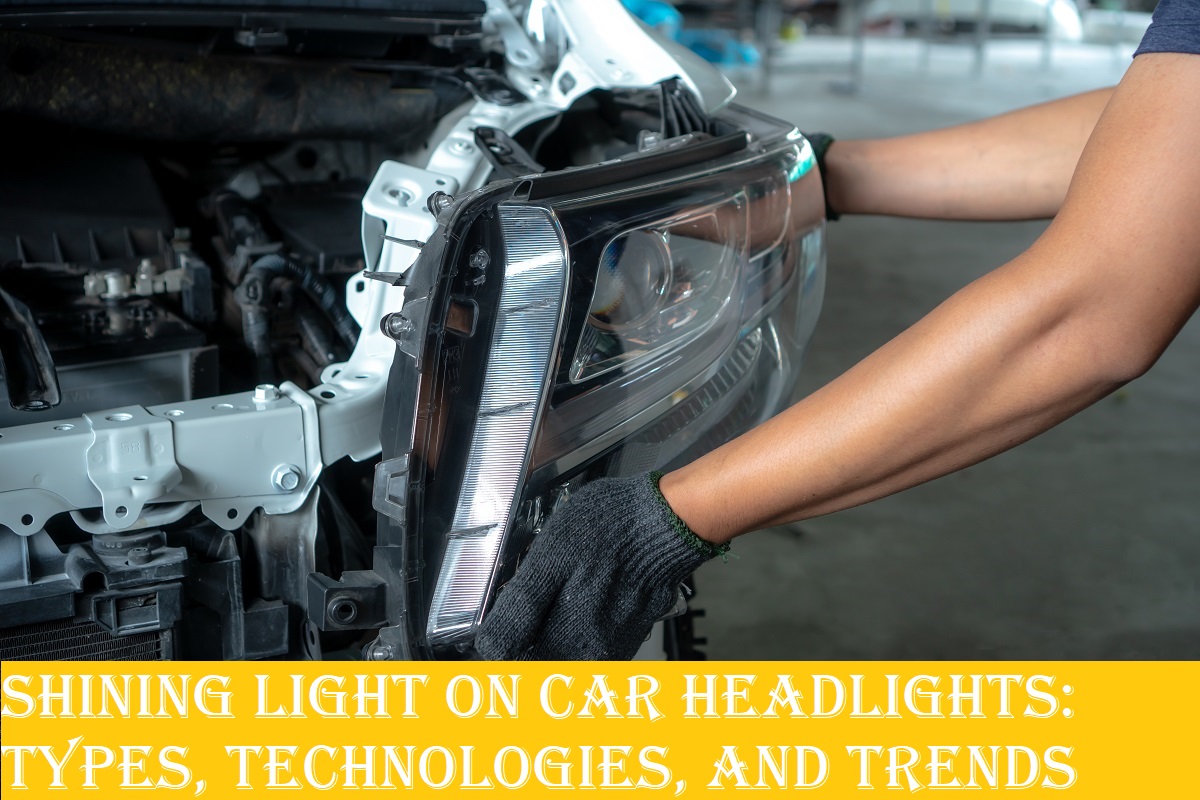
When it comes to automotive safety and design, few components are as important as headlights. These essential features not only light up the road ahead but also contribute to a car’s aesthetics. Over the years, advancements in headlight technology have transformed the way we drive and perceive vehicles on the road. In this blog post, we’ll shine a light on car headlights, exploring their types, technologies, and the latest trends.
The Evolution of Car Headlights
Car headlights have come a long way since the early days of automotive engineering. In the past, vehicles were equipped with simple, incandescent bulbs that provided limited visibility and consumed a significant amount of energy. These traditional headlights were not only less efficient but also posed a greater risk of overheating and causing accidents due to reduced illumination.
Types of Car Headlights
Car headlights come in various shapes, sizes, and technologies. The most common types of headlights include:
- Halogen Headlights: Halogen headlights were the standard for many years. They are cost-effective and produce a warm, yellowish light. However, they tend to have a shorter lifespan and are less energy-efficient compared to newer technologies.
- HID (High-Intensity Discharge) Headlights: HID headlights, often referred to as xenon headlights, produce a brighter, bluish-white light. They are more energy-efficient than halogen bulbs and have a longer lifespan. HID headlights were a significant leap forward in headlight technology.
- LED (Light Emitting Diode) Headlights: LED headlights are currently the leading trend in automotive lighting. They are energy-efficient, produce a clean, white light, and have an exceptionally long lifespan. LED headlights also offer the advantage of rapid on/off cycling, making them ideal for adaptive lighting systems.
- Laser Headlights: Although not yet widespread, laser headlights represent the cutting edge of headlight technology. They produce an intense, focused beam of light that can illuminate the road for an extended distance. Laser headlights are incredibly energy-efficient and have the potential to revolutionize nighttime driving.
Technological Advancements
In addition to the different types of headlights, advancements in technology have made headlights smarter and more adaptive. Here are some key innovations:
- Adaptive Headlights: These headlights can adjust their intensity and direction in response to the vehicle’s speed, steering angle, and road conditions. They enhance visibility while reducing glare for oncoming drivers.
- Matrix LED Headlights: Matrix LED headlights use an array of individually controllable LEDs to create a high-resolution light pattern. This technology enables precise and adaptive beam shaping, improving visibility without blinding other drivers.
- Automatic High Beam Control: This feature uses sensors to detect oncoming vehicles and automatically switches between high and low beams. It ensures optimal illumination without causing discomfort to other drivers.
- Cornering Lights: Some headlights are designed to pivot or swivel with the steering wheel, providing enhanced illumination when turning or navigating tight corners.
Safety and Visibility
One of the primary goals of headlight technology is to enhance safety by improving visibility in various driving conditions. Properly functioning headlights are crucial for nighttime driving, as they enable drivers to spot obstacles, pedestrians, and road signs in the dark.
LED and HID headlights, with their brighter and whiter light, offer superior visibility compared to halogen bulbs. Adaptive headlights take this a step further by dynamically adjusting the beam pattern to follow the road’s curves and provide optimal illumination.
Energy Efficiency and Environmental Impact
As the automotive industry places a growing emphasis on sustainability and energy efficiency, headlights have also undergone changes to reduce their environmental impact. LED and HID headlights consume less power than traditional halogen bulbs, which translates to lower fuel consumption and reduced greenhouse gas emissions. Additionally, the longer lifespan of LED headlights means fewer bulbs end up in landfills.
Aesthetic Enhancements
Car manufacturers are increasingly using headlights as a design element to distinguish their vehicles. Sleek LED light strips, signature lighting patterns, and unique headlight shapes have become iconic features of many car brands. These aesthetic enhancements not only improve a car’s visual appeal but also contribute to its recognition on the road.
The Future of Car Headlights
The automotive industry is constantly evolving, and headlights are no exception. The future of car headlights promises even more exciting developments:
- Advanced Materials: Headlights may incorporate advanced materials like OLEDs (Organic Light Emitting Diodes), which can create thinner and more flexible lighting designs.
- Enhanced Connectivity: Headlights may become part of a vehicle’s communication system, signaling intentions to other drivers and pedestrians, or displaying safety messages on the road.
- Improved Night Vision: Night vision technology could become a standard feature, allowing drivers to see beyond the range of their headlights through infrared sensors and displays.
- Gesture Control: Drivers may control their headlights through gestures or voice commands for a more intuitive driving experience.
Maintaining Your Car’s Headlights
To ensure your headlights continue to function at their best, it’s essential to regularly maintain them. Here are a few simple tips:
- Clean your headlights regularly with a mild soap and water solution.
- Replace any burnt-out bulbs promptly.
- Check the aim of your headlights periodically and adjust if necessary.
- Consider upgrading to LED or HID headlights for better performance and longevity.
Service Your Car With Vann York Chevrolet Buick GMC
Car headlights have come a long way since their humble beginnings, and the future looks even brighter (pun intended). With new technologies and advancements on the horizon, drivers can look forward to improved safety, functionality, and aesthetics in their headlights. So next time you hit the road at night, take a moment to appreciate the shining light that guides your way. And remember, for all your car maintenance and service needs, Vann York Chevrolet Buick GMC is here to help. Visit us today to keep your car running smoothly and safely.
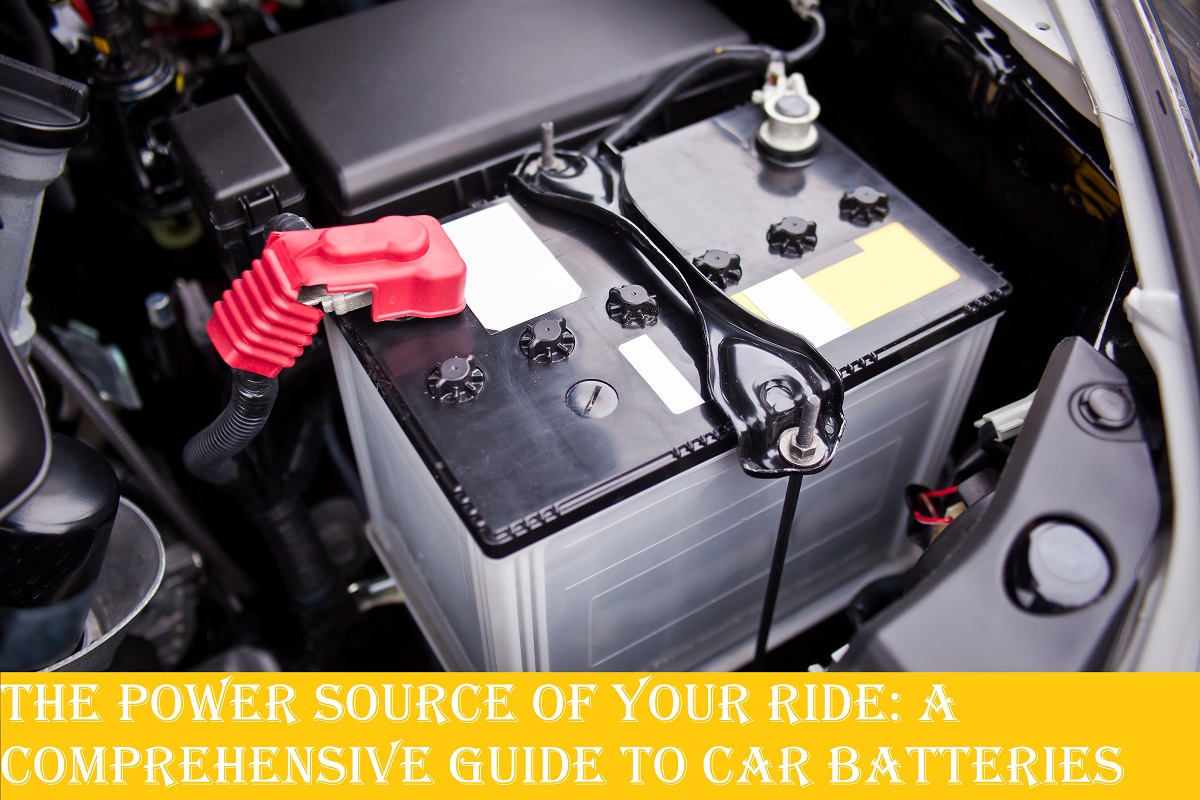
When you turn the key in your car’s ignition, there’s a small but essential component that springs into action, often without much thought—the car battery. This unassuming device serves as the heartbeat of your vehicle, providing the electrical energy necessary to start the engine, power your lights, and run various electrical systems. In this comprehensive guide, we’ll explore the fascinating world of car batteries, from their basic function to different types, maintenance tips, and more. Whether you’re a seasoned car enthusiast or a first-time driver, understanding car batteries is essential for the smooth operation of your vehicle.
The Heart of the Electrical System
Imagine your car’s electrical system as a vast network of wires, switches, and components, all designed to power various functions, from starting the engine to charging your phone. At the center of this system, acting as its life force, is the car battery.
1. Starting the Engine
One of the primary functions of a car battery is to provide the initial surge of electrical energy needed to start the engine. When you turn the key (or press the start button), the battery sends an electrical current to the starter motor. This, in turn, cranks the engine and initiates the combustion process. Without a functioning battery, your car won’t start.
2. Storing Energy
Car batteries are not only responsible for starting the engine but also for storing excess energy generated by the alternator. The alternator converts mechanical energy from the engine into electrical energy, which is used to charge the battery. This stored energy is crucial for powering various electrical components when the engine is off, such as lights, air conditioning, and entertainment systems.
3. Voltage Stabilization
Car batteries play a vital role in stabilizing voltage across the vehicle’s electrical system. They act as a buffer, absorbing excess electrical energy and releasing it when the demand exceeds what the alternator can provide. This helps prevent voltage spikes and ensures a consistent supply of power to sensitive electronics.
Types of Car Batteries
Not all car batteries are created equal. There are several types of car batteries designed to meet different performance requirements and driving conditions. Here are some of the most common types:
1. Lead-Acid Batteries
Lead-acid batteries are the traditional and most widely used type of car batteries. They are known for their reliability and affordability. Lead-acid batteries come in two main subtypes:
- Flooded Lead-Acid (FLA) Batteries: These batteries have removable caps on the top that allow you to check and top off the electrolyte (a mixture of water and sulfuric acid). FLA batteries are suitable for most standard vehicles and are known for their durability.
- Absorbent Glass Mat (AGM) Batteries: AGM batteries are sealed, maintenance-free batteries that use a glass mat separator to absorb the electrolyte. They are more resistant to vibration and provide better performance in extreme temperatures. AGM batteries are commonly used in modern vehicles with advanced electrical systems.
2. Gel Cell Batteries
Gel cell batteries are another type of sealed, maintenance-free battery. Instead of a liquid electrolyte, they use a gel-like substance. Gel cell batteries are known for their deep cycling capabilities and resistance to vibration, making them suitable for off-road and recreational vehicles.
3. Lithium-Ion Batteries
Lithium-ion (Li-ion) batteries are lightweight and offer excellent power-to-weight ratios. They are commonly used in hybrid and electric vehicles due to their ability to provide high energy density and rapid charge and discharge rates. While Li-ion batteries are more expensive than lead-acid batteries, they offer longer service life and better performance.
4. Calcium Batteries
Calcium batteries are an improvement over traditional lead-acid batteries. They contain a higher concentration of calcium in the lead plates, which reduces fluid loss and self-discharge. Calcium batteries are known for their improved durability and longer lifespan.
5. Deep Cycle Batteries
Deep cycle batteries are designed to provide a steady supply of power over an extended period, making them ideal for applications like recreational vehicles (RVs), boats, and solar power systems. They can withstand repeated discharging and recharging cycles without significant degradation.
Maintaining Your Car Battery
Proper maintenance is crucial for prolonging the life and ensuring the reliability of your car battery. Here are some essential maintenance tips:
1. Regular Inspections
Inspect your car battery regularly for signs of corrosion, loose terminals, or physical damage. Clean any corrosion using a mixture of baking soda and water and a wire brush. Ensure that the battery is securely fastened to the battery tray.
2. Check the Electrolyte Level
If you have a flooded lead-acid battery, check the electrolyte level periodically. Ensure it covers the lead plates but does not overflow. Add distilled water as needed to maintain the correct level.
3. Keep It Charged
Avoid letting your battery’s charge drop below 50%, as deep discharges can shorten its lifespan. If you have a vehicle that you don’t drive regularly, consider using a battery maintainer or disconnecting the battery to prevent it from discharging completely.
4. Avoid Extreme Temperatures
Extreme heat and cold can affect battery performance. If possible, park your vehicle in a garage or shade during hot weather, and use a battery insulation kit during the winter to help retain heat.
5. Test the Battery
If you notice signs of a weak battery, such as slow cranking or dimming headlights, have it tested by a professional or use a battery tester. Testing can determine if the battery is still viable or needs replacement.
Signs of a Failing Battery
Even with proper maintenance, car batteries have a limited lifespan. Knowing the signs of a failing battery can prevent you from being stranded with a dead car. Look out for these common indicators:
1. Slow Cranking
If your engine cranks slowly when you try to start it, it may be a sign of a weak or dying battery.
2. Dimming Lights
Dimming headlights or interior lights, when you turn on other electrical components (such as the air conditioner or radio), can indicate a battery issue.
3. Warning Lights
Pay attention to warning lights on your dashboard, especially the battery light. If it comes on, have your battery and charging system checked immediately.
4. Clicking Sounds
A clicking sound when you turn the key may indicate a low battery charge or a problem with the starter or alternator.
5. Age
Car batteries typically last between three to five years. If your battery is approaching this age range, consider having it tested or replaced preventively.
Replacing Your Car Battery
When it’s time to replace your car battery, follow these steps:
1. Select the Right Battery
Choose a battery that matches your vehicle’s specifications, including size, type, and cold cranking amps (CCA) rating. Refer to your vehicle’s owner’s manual or consult an auto parts store for guidance.
2. Safety First
Ensure your vehicle is turned off, and the ignition key is removed. Wear gloves and safety glasses to protect yourself from battery acid.
3. Remove the Old Battery
Disconnect the negative (black) terminal first, followed by the positive (red) terminal. Use the appropriate size wrench or socket to loosen the terminal clamps. Carefully lift the old battery out of its tray.
4. Clean the Battery Tray
Before installing the new battery, clean the battery tray to remove any dirt or corrosion. You can use a wire brush or a battery terminal cleaner.
5. Install the New Battery
Place the new battery in the tray, ensuring that it is securely seated. Connect the positive (red) terminal first, followed by the negative (black) terminal. Tighten the terminal clamps to the manufacturer’s specifications.
Service Your Car With Vann York Chevrolet Buick GMC
Car batteries may be hidden beneath the hood, but they are an integral part of your vehicle’s operation. Understanding their role, different types, and how to maintain them is essential for keeping your car running smoothly and reliably. If you need help, our certified technicians at Vann York Chevrolet Buick GMC are here to get you back on the road. Contact us today for a service appointment or battery replacement!

Maintaining the optimal performance and longevity of your vehicle is a responsibility that comes with the joy of car ownership. When it comes to replacement parts, the market offers a range of options, but none match the quality, precision, and reliability of genuine parts. At Vann York Chevrolet Buick GMC, we understand the significance of using authentic components in your vehicle. In this blog post, we’ll delve into the reasons why every car deserves genuine parts to ensure it continues to run at its best.
Quality and Precision
Genuine parts are designed and manufactured by the same company that produced your vehicle. This means they’re engineered to meet the highest quality standards and adhere to the precise specifications set by the manufacturer. These parts are the result of extensive research, development, and testing, ensuring they fit perfectly and function seamlessly within your vehicle’s intricate systems.
Reliability and Longevity
When you opt for genuine parts, you’re choosing components that have been rigorously tested to withstand the demands of your vehicle’s performance. These parts are built to last, ensuring your car continues to operate smoothly and efficiently for years to come. Genuine parts offer a level of durability that aftermarket alternatives simply cannot match.
Safety First
Safety should always be a top priority when it comes to your vehicle. Genuine parts are designed to work harmoniously with the existing systems in your car, minimizing the risk of malfunctions that could compromise your safety on the road. Whether it’s brake pads, airbags, or suspension components, genuine parts are engineered with your well-being in mind.
Warranty Protection
Using genuine parts often helps preserve your vehicle’s warranty. Manufacturers usually provide warranty coverage for genuine parts, ensuring that if a replacement part fails prematurely, you’re covered for a replacement without additional costs. Aftermarket parts might not offer the same level of warranty protection, potentially leaving you to bear the financial burden of premature part failures.
Maintaining Resale Value
If you ever decide to sell your vehicle, its resale value can be significantly affected by the parts you’ve used for repairs and maintenance. Cars with a history of genuine parts tend to have a higher resale value because potential buyers recognize the value of authentic components in maintaining the vehicle’s integrity.
Compatibility and Performance
Modern vehicles are equipped with advanced technologies and intricate systems that require precise compatibility to function optimally. Genuine parts are designed to seamlessly integrate with these technologies, ensuring your car’s performance, fuel efficiency, and emissions remain within the manufacturer’s intended parameters.
Time and Money Savings
While it might seem that genuine parts come at a higher cost upfront, they often save you money in the long run. Their durability and reliability mean fewer replacements and repairs, reducing the overall maintenance costs over your vehicle’s lifespan. Additionally, you avoid the potential hassle of dealing with subpar aftermarket parts that might require additional adjustments or cause unexpected problems.
Expertise and Support
When you visit a dealership like Vann York Chevrolet Buick GMC, you’re not just getting access to genuine parts; you’re also tapping into the expertise of certified technicians who understand your vehicle inside and out. These professionals have the knowledge and experience to recommend the right parts for your car, ensuring its optimal performance.
Dealers to Avoid
When seeking genuine parts for your vehicle, it’s important to avoid certain dealers or retailers. While they might offer competitive prices on aftermarket and counterfeit products, these parts are often of lower quality and may not meet the manufacturer’s standards. Additionally, you won’t receive the same expertise found at an authorized dealer. By avoiding rogue dealers, you can ensure that your car always gets the best parts to keep it running safely and reliably.
How Do You Find a Genuine Parts Dealer?
Finding a trusted dealer that stocks genuine parts is easy. Simply head to your vehicle’s official website for information about your nearest authorized service center. Remember, you don’t have to take your car to the dealership where you purchased it; any licensed provider of genuine parts will be able to help you with maintenance and repairs.
Whether you’re looking to replace a part or want to protect your investment in the long run, relying on genuine parts is an important step for vehicle owners. With the right parts, your car is sure to run optimally for years to come.
Contact Vann York Chevrolet Buick GMC for Genuine Honda Parts
Your car is more than just a means of transportation; it’s a reflection of your style, personality, and the care you invest in your daily life. When it comes to maintenance and repairs, opting for genuine parts from Vann York Chevrolet Buick GMC is a decision that showcases your commitment to quality, safety, and reliability. From the precise fit to the peace of mind they provide, genuine parts play a pivotal role in ensuring your vehicle continues to deliver the exceptional driving experience you deserve. Contact us today to learn more.

In the realm of car maintenance, few things are as essential as ensuring your engine’s well-being. At the heart of this responsibility lies the routine oil change. Engine oil is the lifeblood of your vehicle, and understanding its significance is crucial to keeping your car running smoothly. In this article, we’ll delve into the basics of engine oil, the reasons behind regular oil changes, and how they can extend the life of your beloved vehicle.
The Role of Engine Oil
Imagine your car’s engine as a symphony of moving parts, each playing a crucial role in propelling your vehicle forward. Now, imagine the friction and heat generated by these components. This is where engine oil steps in as the unsung hero, ensuring the harmony of these parts and preventing them from wearing out prematurely.
Engine oil has several key roles:
- Lubrication: It forms a thin protective layer between moving parts, reducing friction and preventing metal-on-metal contact.
- Cooling: Oil carries away excess heat generated by the engine, preventing overheating and maintaining optimal temperature.
- Cleaning: It traps dirt, debris, and contaminants, preventing them from accumulating and causing damage.
- Sealing: Engine oil helps form a seal between components, preventing leakage and maintaining compression.
The Importance of Regular Oil Changes
As your car’s engine runs, engine oil gradually loses its effectiveness. It becomes contaminated with debris, breaks down chemically, and loses its viscosity. Over time, this degraded oil can’t provide the necessary lubrication, cooling, and cleaning properties your engine needs.
Here’s why regular oil changes are crucial:
- Maintaining Engine Health: Fresh, clean oil keeps your engine running smoothly, minimizing friction and reducing wear on critical components.
- Optimizing Fuel Efficiency: A well-lubricated engine operates more efficiently, which translates to better fuel economy.
- Preventing Overheating: Engine oil helps dissipate heat. Over time, old oil’s reduced heat-carrying capacity can lead to overheating.
- Extending Engine Life: By minimizing wear and tear, regular oil changes can significantly extend the life of your engine.
- Preserving Resale Value: A well-maintained engine with a documented history of oil changes can increase your car’s resale value.
The Timeline for Oil Changes
So, how often should you change your car’s engine oil? The answer varies based on several factors:
- Driving Habits: Stop-and-go city driving can be more demanding on your engine than highway cruising.
- Climate: Extreme temperatures can affect oil’s viscosity and effectiveness.
- Vehicle Age and Mileage: Older vehicles or those with higher mileage might require more frequent oil changes.
As a general guideline, many experts recommend changing your engine oil every 3,000 to 5,000 miles. However, advancements in oil and engine technology have extended this interval for many modern vehicles. Always refer to your car’s owner’s manual for manufacturer recommendations tailored to your specific make and model.
Making the Right Choice: Types of Engine Oil
When it comes to engine oil, you’ll often encounter terms like synthetic, conventional, and semi-synthetic. Understanding these options can help you make an informed choice for your vehicle.
- Conventional Oil: Traditional engine oil derived from crude oil. It offers basic protection and is suitable for older vehicles or those with simple engine designs.
- Synthetic Oil: Engineered for superior performance, synthetic oil offers better viscosity control, high-temperature stability, and enhanced protection against wear. It’s ideal for modern engines and demanding conditions.
- Semi-Synthetic Oil: As the name suggests, it’s a blend of conventional and synthetic oils. It strikes a balance between performance and cost-effectiveness.
Consult your car’s manual and consider factors like your driving habits and climate to determine the best oil type for your needs.
The DIY vs. Professional Dilemma
If you know your way around cars, it’s entirely possible to change your engine oil yourself. However, there are some risks involved with DIY-ing. You have to make sure you replace the filter and dispose of old oil properly. Plus, don’t forget that even when using top-notch components, a professional will always do a better job than you in terms of ensuring all the areas are properly filled.
There are several advantages to entrusting professionals with this crucial maintenance task:
- Expertise: Trained technicians know the specifics of your vehicle and can ensure the right oil type and quantity.
- Inspection: Professionals can identify potential issues during an oil change, helping you catch problems early.
- Proper Disposal: Disposing of used oil is a responsibility that professionals handle safely and responsibly.
Reach Out to Vann York Chevrolet Buick GMC to Service Your Car
Regular oil changes are an investment in the long-term health and performance of your vehicle. With engine oil playing a pivotal role in lubricating, cooling, and protecting your engine, staying diligent about oil changes can pay off in the form of improved fuel efficiency, extended engine life, and peace of mind on the road.
Remember, each car is unique, and its oil change needs depend on various factors. If you’re unsure about the ideal oil change interval for your vehicle, it’s always wise to consult your car’s owner’s manual or reach out to a trusted mechanic. By giving your engine the care it deserves, you’re ensuring that your car continues to serve you reliably mile after mile. Contact Vann York Chevrolet Buick GMC for expert assistance with all your oil change and engine maintenance needs!

Selling your car can be an exciting yet challenging process. Whether you’re upgrading to a new model or simply looking to part ways with your current vehicle, getting the best price is always a priority. To ensure you receive top dollar for your car, we’ve compiled 12 tried-and-true tips to help you navigate the selling process with confidence. Follow these steps, and you’ll be well on your way to selling your car for more!
1. Prepare Your Car for Sale:
First impressions matter, so invest some time in cleaning and detailing your car. A well-maintained vehicle is more likely to attract potential buyers and fetch a higher price. The better the condition, the more likely you’ll get top dollar. Consider washing and waxing your car, cleaning carpets and upholstery, removing personal items from the interior, checking tire pressure, topping off fluids, and performing any necessary preventative maintenance or repairs.
2. Gather All the Necessary Documents:
Ensure you have all the essential paperwork in order, including the title, maintenance records, and any warranty information. Having a complete history of your car’s service and repairs can instill trust in potential buyers. This will also help you answer any questions they may have.
3. Know Your Car’s Worth:
Do some research to determine the fair market value of your vehicle. Websites like Kelley Blue Book and Edmunds can provide valuable insights into the current market value based on factors like make, model, year, and condition. It will take just a few minutes of your time, and the knowledge will prove invaluable when it comes to setting a competitive price.
4. Choose the Right Time to Sell:
Timing matters when selling a car. Consider factors like seasonality, market demand, and local economic conditions. Selling during peak demand periods can increase your chances of getting a higher price. Most people shop for cars in the spring and summer, so you may have better luck at these times.
5. Present Your Car in Ads with High-Quality Photos:
When creating online advertisements, use high-quality images that showcase your car’s best features. A picture is worth a thousand words, and attractive visuals can attract more potential buyers. What you want to avoid is using images that make your car look worn-out or disheveled. If it makes sense, hire a professional photographer to take the pictures.
6. Write an Honest and Detailed Description:
Be honest and detailed in your car’s description. Highlight its unique selling points, recent repairs, and any additional features that may increase its value. No one wants to buy a car with hidden surprises, so don’t leave out any important details.
7. Get a Pre-Sale Inspection:
Consider getting a pre-sale inspection from a trusted mechanic. This step can identify any issues that need attention before potential buyers view your car, giving you the opportunity to address them. Doing so adds value to your car and can help you avoid potential legal hassles in the future.
8. Fix Minor Repairs:
Fixing minor issues and making necessary repairs can significantly enhance your car’s appeal. Small investments in repairs can translate to higher offers from buyers. You don’t have to go overboard, but you should address any issues that are likely to lower your car’s value.
9. Consider Professional Detailing:
If your car requires extensive cleaning or detailing, consider professional services. A well-detailed car can make a lasting impression on potential buyers. The newer your car looks, the more interest it will generate and the higher offers you may receive.
10. Be Open to Negotiation:
Be prepared for negotiation and have a clear minimum price in mind. Be willing to negotiate with serious buyers, but also know when to stand firm on your asking price. You want to be fair in your dealings, but also maximize the value of your car.
11. Advertise Widely:
Use various online platforms, social media, and local classifieds to advertise your car. The more exposure your listing gets, the higher the chances of finding the right buyer. Most buyers will also appreciate the transparency of your advertising effort.
12. Be Responsive and Courteous:
Respond promptly to inquiries and be courteous to all potential buyers. A positive and friendly attitude can go a long way in building trust and closing a successful sale. Ensure that all inquiries are answered in a timely and professional manner.
Bonus Tip: Consider Trading-In at a Reputable Dealership:
If you’re looking for a hassle-free way to sell your car and maximize its value, consider trading it in at a reputable dealership like Vann York Chevrolet Buick GMC. Dealerships often offer competitive trade-in values, allowing you to apply the value of your current car toward the purchase of a new one.
Contact Vann York Chevrolet Buick GMC To Sell or Trade in Your Car
In conclusion, selling your car for more requires careful preparation, attention to detail, and understanding the market. Follow these tips to enhance your car’s value and ensure a successful sale. Whether you choose to sell privately or trade it in at a dealership, achieving the best price for your car is well within reach.At Vann York Chevrolet Buick GMC, we understand the importance of getting the best value for your car. If you’re considering trading in your vehicle, our experienced team is here to help. Contact us today and let us assist you in getting the most for your car while exploring the exciting possibilities of a new Chevrolet, Buick, or GMC vehicle!
12 Smart Ways to Upgrade Your Ride
Whether you’re looking to enhance your vehicle’s performance, improve its aesthetics, or simply make it more comfortable, there are countless ways to upgrade your ride. However, with so many options available, it can be difficult to know where to start. In this blog post, we’ll share 12 smart ways to take your vehicle to the next level and help you make the most of your investment. Don’t miss our one-liner CTA at the end of the introduction! Ready to transform your car into a dream machine? Keep reading and discover how to upgrade your ride like a pro.
1. Invest in High-Quality Tires
One of the simplest and most effective ways to upgrade your ride is to invest in high-quality tires. Quality tires not only improve your vehicle’s handling and performance but also contribute to better fuel efficiency and overall safety. Look for tires that are well-suited to your driving habits and local climate conditions. With the right tires, you can experience both a comfortable and reliable ride.
2. Enhance Your Vehicle’s Suspension
Upgrading your vehicle’s suspension system can greatly improve its handling, ride quality, and overall performance. Consider investing in performance shocks, struts, or coil overs to achieve a smoother ride and more precise handling. Remember, though, that any changes to your suspension should be made by a professional to ensure proper installation and alignment. A good suspension setup not only enhances vehicle performance but also helps to protect your car from wear and tear.
3. Upgrade Your Brakes
An upgraded brake system can significantly enhance your vehicle’s safety and performance. Opt for high-performance brake pads, rotors, and calipers to improve stopping power and reduce brake fade. This is especially important if you frequently drive in high-traffic areas or participate in motorsports events. Your brakes are one of the most important components of your vehicle, so it’s worth investing in high-quality parts and professional installation.
4. Install an Aftermarket Exhaust System
If you’re looking to boost your vehicle’s horsepower and torque, consider upgrading to an aftermarket exhaust system. A performance exhaust can help your engine breathe more efficiently, resulting in increased power and improved fuel efficiency. Plus, it can give your ride a more aggressive sound that’s sure to turn heads. If you’re looking to get the most out of your vehicle, an aftermarket exhaust system is a great choice.
5. Add a Cold Air Intake
A cold air intake is another relatively simple way to upgrade your ride’s performance. By allowing your engine to draw in cooler, denser air, a cold air intake can increase horsepower and torque while also improving fuel efficiency. This is an affordable upgrade that can make a noticeable difference in your vehicle’s performance. Ensure you choose a quality cold air intake that’s designed for your make and model of vehicle.
6. Improve Your Vehicle’s Appearance with New Wheels
New wheels can instantly transform your vehicle’s appearance and help you make a statement on the road. When selecting new wheels, consider factors such as size, weight, and material, as these can impact your vehicle’s handling and performance. Additionally, choose a design that complements your car’s overall aesthetic.
7. Enhance Interior Comfort with Seat Upgrades
Upgrading your vehicle’s seats can significantly improve your comfort during long drives and enhance your car’s overall appeal. Look for high-quality materials, such as leather or suede, and consider features like heated or ventilated seats for added luxury. Something as simple as changing the mats or adding seat covers can also make a big difference.
8. Upgrade Your Sound System
A high-quality sound system can make all the difference in your driving experience. Consider upgrading your car’s speakers, adding a subwoofer, or investing in a new head unit with advanced features like Bluetooth connectivity and smartphone integration. This will allow you to enjoy your favorite music and podcasts with crystal-clear sound quality. When installing new sound system components, make sure to choose ones that are compatible with your vehicle.
9. Add Advanced Safety Features
Modern vehicles are equipped with a wide array of advanced safety features, many of which can be added to older models. Consider installing a rearview camera, blind-spot monitoring system, or adaptive cruise control to enhance your vehicle’s safety and make your daily commute more enjoyable.
10. Install a Performance Chip or Tuner
A performance chip or tuner can optimize your vehicle’s engine performance, resulting in increased horsepower, torque, and fuel efficiency. This is an affordable and relatively simple way to upgrade your ride, but it’s essential to choose a reputable brand and ensure that your vehicle is compatible with the device. Work with a professional installer to get the best results.
11. Add Custom Lighting
Custom lighting can make your vehicle stand out and enhance its overall appearance. Consider upgrading to LED headlights for improved visibility, or add under glow lighting for a unique and eye-catching effect. Just be sure to check your local laws regarding aftermarket lighting to avoid any potential issues.
12. Keep Your Vehicle Clean and Well-Maintained
Lastly, one of the smartest ways to upgrade your ride is simply to keep it clean and well-maintained. Regular washing and waxing can protect your vehicle’s paint and finish, while routine maintenance ensures that your car continues to perform at its best. A clean, well-cared-for vehicle not only looks great but also retains its value better over time.
Buy Your Dream Car in High Point, NC With Vann York Chevrolet Buick GMC
Upgrading your ride doesn’t have to be complicated or expensive. By implementing these 12 smart strategies, you can transform your vehicle into a more comfortable, stylish, and high-performing machine. Ready to take the next step and invest in a new vehicle with all the latest features and upgrades? Visit Vann York Chevrolet Buick GMC in High Point, NC today. Our team is here to help you find your dream car and get the best possible deal on it.

Picture this: You’ve found your dream car, and are ready to hit the open road. But before you can take the wheel, there’s one more crucial hurdle to clear – navigating the complex world of car financing options. In this comprehensive guide, we’ll help you cruise through the ins and outs of auto financing like a pro. From traditional loans and leases to alternative methods, we’ll dissect the essentials and share valuable tips to help you secure the best deal possible for your new ride. So, fasten your seatbelt and rev up your engines as we embark on an enlightening journey through the realm of car financing.
Understanding Car Loans
Car loans are one of the most common car financing options available to buyers. These loans are provided by banks, credit unions, or other financial institutions and allow you to pay for your vehicle in monthly installments over a specified term.
Interest Rates and Loan Terms
Interest rates on car loans vary depending on factors such as your credit score, loan term, and whether you’re purchasing a new or used vehicle. Generally, the higher your credit score, the lower your interest rate will be. Loan terms typically range from 36 to 72 months, with longer terms resulting in lower monthly payments but a higher overall cost due to the additional interest paid over time.
Down Payments
A down payment is the initial amount of money you pay upfront when purchasing a vehicle with a car loan. The larger your down payment, the smaller your loan amount will be, which can result in lower monthly payments and less interest paid over the life of the loan. It’s generally recommended to make a down payment of at least 10-20% of the vehicle’s purchase price to have access to more loaning options.
Preapproval
Before shopping for a vehicle, it’s a good idea to get pre-approved for a car loan. Preapproval allows you to know how much you can borrow and what interest rate you qualify for, making it easier to set a realistic budget and negotiate with confidence at the dealership.
Leasing a Vehicle
Leasing is another popular car financing option that allows you to drive a new vehicle for a specified period, typically 24 to 48 months. At the end of the lease term, you have the option to purchase the vehicle at a predetermined price or return it and lease a new one.
Monthly Payments
Lease payments are generally lower than loan payments because you’re only paying for the vehicle’s depreciation during the lease term, rather than its full purchase price. However, leasing may not be the most cost-effective option if you plan to keep the vehicle for an extended period or drive more miles than allowed by your lease agreement.
Mileage Limits and Fees
Lease agreements usually include annual mileage limits, ranging from 10,000 to 15,000 miles per year. If you exceed these limits, you’ll be charged a fee for each additional mile driven. Additionally, you may incur fees for excessive wear and tear or any modifications made to the vehicle during the lease term.
End-of-Lease Options
When your lease term ends, you’ll have several options, including purchasing the vehicle at its residual value, returning it and leasing a new one, or walking away after satisfying any outstanding fees or charges. It’s essential to carefully consider your long-term needs and preferences when deciding whether leasing is the right car financing option for you.
Alternative Car Financing Options
In addition to traditional loans and leases, there are alternative car financing options available to buyers, such as:
Personal Loans
Personal loans can be used to finance a vehicle purchase, although they typically come with higher interest rates and shorter repayment terms than car loans. This option may be suitable for those with strong credit who want more flexibility in their financing terms or plan to buy a vehicle that doesn’t qualify for a traditional car loan, such as an older used car or a specialty vehicle.
Home Equity Loans or Lines of Credit
If you have equity in your home, you may be able to use a home equity loan or line of credit to finance your vehicle purchase. This option can offer lower interest rates than car loans or personal loans but comes with the risk of using your home as collateral, meaning you could potentially lose your home if you default on the loan.
Manufacturer Incentives
Car manufacturers often offer promotional financing rates or cash incentives to encourage buyers to purchase their vehicles. These offers can vary by manufacturer and may be available only to buyers with excellent credit. Be sure to research current manufacturer incentives before shopping for a vehicle to potentially save on your financing costs.
Tips for Navigating Car Financing Options
When exploring car financing options, consider the following tips to help you make an informed decision:
- Know your credit score: Your credit score plays a significant role in determining your interest rate and loan eligibility. Check your credit score before applying for financing to ensure there are no errors or discrepancies that could negatively impact your financing options.
- Compare offers: Shop around and compare financing offers from multiple lenders to find the best terms and rates for your needs.
- Negotiate: Don’t be afraid to negotiate with the dealership or lender to secure better financing terms or a lower interest rate.
- Read the fine print: Carefully review all loan or lease documents before signing to ensure you understand the terms, fees, and any potential penalties associated with your financing agreement.
Buy and Finance Your Dream Car With Vann York Chevrolet Buick GMC
Navigating car financing options can be an overwhelming process, but understanding the various choices available can help you make an informed decision that best suits your needs and budget. By considering factors such as interest rates, loan terms, down payments, and alternative financing methods, you can confidently secure the right financing option for your next vehicle purchase.
Are you ready to buy the car of your dreams? Visit Vann York Chevrolet Buick GMC and we’ll help you explore all your car financing options. Our knowledgeable staff is here to answer any questions you may have about the process, as well as assist in finding the best financing solution for your budget. Stop by our dealership today and let us help you secure the perfect vehicle with flexible, reliable financing!

We’ve come a long way in the development of self-driving cars, and it won’t be too much longer before they become commonplace. Autonomous vehicles are set to revolutionize the way we travel, making trips safer and easier than ever before. As a car dealer, Vann York Chevrolet Buick GMC is excited to see this technology come to fruition. Here are some key facts about the development of self-driving cars:
1. Packed With Sensors and Cameras
Self-driving cars use a combination of sensors, cameras, and other technologies to detect objects around them, allowing the car to navigate through different environments without human input. With the help of a special algorithm, these sensors help the car identify obstacles and plan its route safely. The car can also tell how fast it needs to drive and when it needs to brake depending on what it’s sensing and “seeing”.
2. Autonomous Vehicles Are More Efficient
Self-driving cars use artificial intelligence (AI) to identify objects, plan routes, and navigate the roads more efficiently than a human driver would be able to do on their own. This reduces the possibility of accidents or injury, resulting in a more efficient and safer ride for everyone on the road. Autonomous cars could be the solution to traffic jams and reduce the amount of time spent commuting.
3. They’re Still Being Tested
While self-driving cars are quite advanced, just like any other piece of technology, there are still kinks to be worked out and safety tests to be done. Automakers are testing autonomous vehicles in more environments and situations to ensure that they’re as safe as possible before hitting the roads en masse. Companies such as Google and Uber have been carrying out extensive testing in various cities around the world to make sure their autonomous vehicles meet the necessary safety requirements.
4. Autonomous Cars Require Human Intervention
True, autonomous vehicles are designed to be able to drive on their own, but they still need human input when making certain decisions or navigating difficult roads. Self-driving cars cannot currently operate safely in all conditions and thus need a human driver to take over the wheel whenever necessary. This means that there’s still a need for humans in the equation and that they’re trusted to intervene when necessary.
5. The Autonomous Cars Industry Increases By 16% Each Year
The self-driving car industry is growing at an impressive rate, with annual revenue rising by 16%. This growth can be attributed to the increasing demand for autonomous vehicles, as well as technological advances that are making them safer and more efficient. Self-driving cars are expected to continue gaining in popularity and could eventually become commonplace on the roads.
6. There are 9.1 Crashes Per Milion Miles Driven
When it comes to safety, self-driving cars are actually performing better than human drivers. According to a study by the National Law Review, autonomous vehicles were involved in 9.1 accidents per million miles driven and these accidents are not severe in most cases. Also, most of the cases are autonomous cars being bumped into from the rear.
7. Only 12% of Americans Feel Safe in Self Driving Cars
The same survey reveals that only 12% of Americans feel safe enough to ride in an autonomous vehicle. Despite all the advancements in the industry, some people remain skeptical and hesitant to let go of control. Companies and governments need to continue educating the public on the safety of autonomous vehicles before they can become truly mainstream.
8. There are 6 Levels Of Autonomous Driving
A self-driving car is classified according to the level of autonomy it has. Regular people often don’t care about these levels, but they are important to understand. The five levels range from Level 0 (no automation, the driver does 100% of the driving) to Level 5 (100% automation, the car driving itself in all circumstances). As of now, most cars on the road are somewhere in the middle and manufacturers are working on increasing the level of automation as time goes by.
9. Autonomous Cars Are Becoming More Affordable
Due to lower production costs and increased competition, self-driving cars are becoming more affordable than ever before. This means that they could soon become a viable option for many people who would never have been able to afford them in the past. Over time, autonomous car prices are expected to go down even further as technology and production processes become more efficient.
10. More Than 40 States Legislating Autonomous Cars
Forbes has reported that more than 40 US states are legislating laws related to self-driving cars. With this trend, it is expected that autonomous cars will become more and more common in the near future. This could lead to a significant reduction in traffic accidents due to the increased safety of self-driving vehicles. The regulations may vary from state to state but they all aim at encouraging the development and use of autonomous vehicles while ensuring public safety.
Buy Your Dream Car With Vann York Chevrolet Buick GMC in High Point, NC
These are just some of the facts about autonomous cars that everyone should know before making an informed decision about purchasing one. Autonomous vehicles are becoming increasingly popular and it’s important to understand their implications to make the right choice for your needs. With more regulations in place, we can expect to see self-driving cars become even more widespread soon. At Vann York Chevrolet Buick GMC, we can help you find your dream car no matter what kind of vehicle you are looking for. We have a wide selection of reliable and affordable vehicles that will fit into any budget. Visit us today and let our team help you.

At Vann York Chevrolet Buick GMC, we don’t just love it when you buy a car with us, we also care about your safety on the roads. Data shows that Car accidents are the fifth-leading cause of death in the United States. That’s why we encourage motorists to acquire defensive driving skills to reduce the possibility of an accident. Any time you’re behind the wheel, the safety of yourself and others should be a priority. Here are some of the essential defensive driving tips you should know:
1. Don’t Trust Other Drivers
You should assume that everyone else on the road is a reckless driver but you. Don’t trust anyone to make the right decision. Doing this ensures that you always stay alert and drive defensively. Keep your distance from drivers who may be distracted; this gives you more time to react if they make an unexpected move.
2. Buckle Up All the Time
Seat Belts are designed to protect you and your passengers from serious injuries. No matter how short the ride is, make sure everyone in your car is always wearing their seatbelt. This will help keep everybody safe if an accident occurs.
3. Stay (100%) Focused on the Road
Take measures to minimize distractions while driving. Put away phones, turn off the stereo, and let your passengers know to be quiet while you’re driving. If there is anything that can take your attention away from the road, get rid of it.
4. Follow All the Traffic Laws
Are you an experienced driver? Don’t use this as an excuse to break traffic laws. Instead, look out for other drivers who may not know all the rules of the road. Stop on red, follow speed limits, and practice courtesy in all traffic situations.
5. Yield When in Doubt
When approaching an intersection, you should always yield to any vehicles that have the right of way. Even when you think you have the right of way, look around and be sure that no one is close by. It’s better to be safe and waste a few minutes on the road than be caught up in a collision.
6. Communicate to Other Drivers With Your Lights
Your car has indicators for a reason. Use them properly when turning, and be sure to use your bright lights at night so other drivers can see you better. This is especially important during inclement weather or when visibility is poor. You should also flash your headlights to signal other drivers if it’s safe to pass or not in certain situations.
7. Avoid Tailgating
Tailgating is dangerous for both the driver and other vehicles on the road. Not only does it restrict your vision, but it also prevents you from reacting quickly to any obstacles that may come up unexpectedly. If someone else is tailgating you, move out of their way as soon as possible or reduce your speed until they drive away.
8. Never Drink and Drive
Drinking and driving is a serious offense that can result in costly fines, license suspension, and even jail time. Save yourself the hassle and never mix alcohol with behind-the-wheel activities. Even if you don’t feel impaired, it’s best to err on the side of caution by avoiding alcoholic beverages prior to driving.
9. Keep a Steady Speed
Varying your speed, especially when driving on highways, can be dangerous not only to yourself but also to other drivers. Sticking to the speed limit is a good idea, and it also helps you save gas since driving at constant speeds is more fuel efficient than accelerating and braking. If you find that you’re in a hurry, look for alternate routes that have fewer stoplights and red lights to help you reach your destination faster.
10. Make Use of Safety Gadgets
Many vehicles come with a variety of safety features, such as blind spot detection and lane departure warning systems. Take advantage of these features to help you remain aware of your surroundings even when it’s difficult to keep an eye out for everything. Additionally, make sure that your vehicle is equipped with airbags and ABS brakes so you can be sure to drive as safely as possible.
11. Monitor Blind Spots
Blind spots can be difficult to detect, so make sure you’re constantly checking your mirrors and doing head checks before changing lanes. Be aware of other vehicles on the road and try to leave plenty of room between you and the car in front of you.
12. Prepare for Weather Conditions
When driving during inclement weather, make sure to use appropriate caution. Slow down and be aware of ice patches, slippery roads, and low visibility. Keep your headlights on so other drivers can more easily see you and take extra care when turning or braking.
13. Anticipate Problems Before They Happen
One of the most important defensive driving techniques is to anticipate potential problems before they arise. Always be alert and aware of your surroundings and look for hazards such as construction, curves in the road, or animals that could cause you to swerve. Being able to predict problems can help you avoid them altogether.
14. Maintain Your Car
Keep your car in proper working order at all times and make sure to get regular maintenance done. This can help you avoid potential dangers on the road, such as brake malfunctions or flat tires. Make sure your headlights, taillights, brake lights, and signals are functioning properly as well.
Service Your Car With Vann York Chevrolet Buick GMC
No doubt regular car maintenance is vital when it comes to safety on the road. At Vann York Chevrolet Buick GMC, we are committed to providing quality automotive service that you can trust. From oil changes and brake replacements to engine repairs and fluid flushes, our experienced technicians are dedicated to keeping your car running in optimal condition. Schedule an appointment today for your next scheduled service or repair.

Key Takeaways
In this post, we discuss 10 key points to consider before investing in an electric car. Here’s a quick highlight of what you can expect:
- You have the option of buying a new or used EV
- You can choose different EV types
- Buy or lease
- Consider the charging time and range
- Charge at home or in a public station
- Consider maintenance and repairs
- Think about tax credits and incentives
- Beware of the insurance costs
- Understand the warranty
We live in a world where electric cars are becoming increasingly popular. While they offer several advantages over traditional petrol-powered vehicles, they also come with their own set of challenges and considerations. Before you buy an electric car, understand how they work and what the associated costs are.
Here are 10 things that you should know before making the switch to an electric car:
1. Get a New or Used EV
The electric car market is growing rapidly and there are a variety of options to choose from—including both new and used electric cars. Depending on your budget, you can find an EV that meets your needs and fits within your price range. The key is to do your research and make sure you have a full understanding of the vehicle before you buy.
2. Choose Among the Different Types
There are a few different types of electric cars available for purchase, including plug-in hybrids, extended-range EVs, and fully electric vehicles. A plug-in hybrid combines a gasoline engine and an electric motor to provide power, while an extended-range EV can run on electricity until the battery is exhausted and then switch over to a gasoline engine. A fully electric vehicle runs solely on electricity, which means no trips to the gas station. Knowing the difference between these types can help you make an informed decision about which type is right for you.
3. Buy or Lease?
When buying an electric car, it’s important to consider whether buying or leasing is the best option. Buying a car will give you more control over maintenance, repairs, and customization options, but leasing can be cheaper and there are often special incentives for doing so. Additionally, some manufacturers offer subscription services that allow you to rent their vehicles for short periods of time.
4. Charging Time and Range
Charge times and vehicle range are two of the most important factors when considering an electric car. Different models have different charging times, ranging from as little as 15 minutes to up to several hours. You need to choose according to your lifestyle needs. You should also look into the vehicle’s range, which is the maximum distance it can travel on a single charge. Use your individual driving needs to determine which range is best for you. Then make sure you check the manufacturer’s website for information about the specific model you’re considering.
5. Home Charging
Having a home charger is the most convenient way to charge your electric vehicle. Most cars come with one, but you should double-check if it’s included in the purchase price or not. If you don’t already have a charger at home, consider the installation cost and how much electricity it will use before deciding whether this is the right option for you.
6. Public Charging
If you don’t have access to a home charger, you can use public charging stations across the country. Before buying an electric car, make sure that there are enough publicly available charging stations in your area to charge your car when needed. Many companies offer subscription-based charging plans that can help you save money on public charging fees.
7. Maintenance and Repairs
Electric cars require less maintenance than traditional gas-powered vehicles, which means they can be more economical in the long run. However, they do require more specialized knowledge when it comes to repairs and service due to their complex nature. So, it’s important to be aware of the cost of maintenance and repair for your electric car.
8. Tax Credits and Incentives
Many governments around the world offer tax credits and other incentives to those who purchase electric cars. This helps encourage the adoption of electric vehicles and can significantly reduce the cost of ownership. It’s important to research what incentives are available in your area before you make a purchase.
9. Insurance Costs
Insurance costs for electric cars may be higher than they are for traditional cars. This is because electric vehicles are still relatively new, and their repair and replacement are costlier than regular cars. It is important to research insurance costs before you purchase a vehicle so that you know what to expect in terms of payments.
10. Warranty
When purchasing an electric car, it’s important to understand the warranty that comes with the vehicle. Most cars come with a comprehensive coverage plan that covers all major components of the vehicle. Read through any warranties or service contracts carefully before purchasing so that you know what to expect if something goes wrong with your car. Also, ask the dealership or manufacturer about extended warranties that can provide additional coverage. This way, you are better protected if something were to go wrong with your new electric car.
Buy The Car of Your Dreams With Vann York Chevrolet Buick GMC
By doing your research and understanding these ten key points before making an electric car purchase, you can ensure that you make the right decision for yourself and your budget. At Vann York Chevrolet Buick GMC, we offer a variety of new and pre-owned electric cars that are perfect for your lifestyle. Our knowledgeable sales team can help answer any questions you may have and guide you through the purchase process. Contact us today to get started on buying the car of your dreams!
Connect with us


- February 2026
- January 2026
- December 2025
- November 2025
- October 2025
- September 2025
- August 2025
- July 2025
- June 2025
- May 2025
- April 2025
- March 2025
- February 2025
- January 2025
- December 2024
- November 2024
- October 2024
- September 2024
- August 2024
- July 2024
- May 2024
- March 2024
- December 2023
- November 2023
- October 2023
- September 2023
- August 2023
- July 2023
- June 2023
- May 2023
- April 2023
- March 2023
- February 2023
- January 2023
- December 2022
- November 2022
- October 2022
- September 2022
- August 2022
- July 2022
Archives
- Blogs
- Buick Dealer
- Buick Enclave
- Buick Envision
- Buick Envista
- Chevrolet Dealer
- Chevrolet Equinox
- Chevrolet Silverado 1500
- Chevy Blazer
- Chevy Cars
- Chevy Dealer
- Chevy Traverse
- Chevy Trax
- Envision
- EV
- GMC
- GMC Acadia
- GMC Canyon
- GMC Dealer
- GMC HUMMER EV Pickup
- GMC Sierra EV
- GMC Sierra HD
- GMC Yukon
- Hummer
- malibu
- Service
- Sierra 1500
- Sierra 2500 HD
- SUVs
- SUVs
- Trailblazer
- Trucks
- Uncategorized